What does the FOODTEST food intolerance test report look like?

You do not just get numbers — you get a clear, easy-to-interpret result that helps you understand how your body reacts to individual foods. This means we show you not only whether you are sensitive to a particular food, but also to what degree.

The measurement, data processing and reporting are carried out by our laboratory specialists at the FOODTEST Food Intolerance Centre, using specialised equipment and a software package.
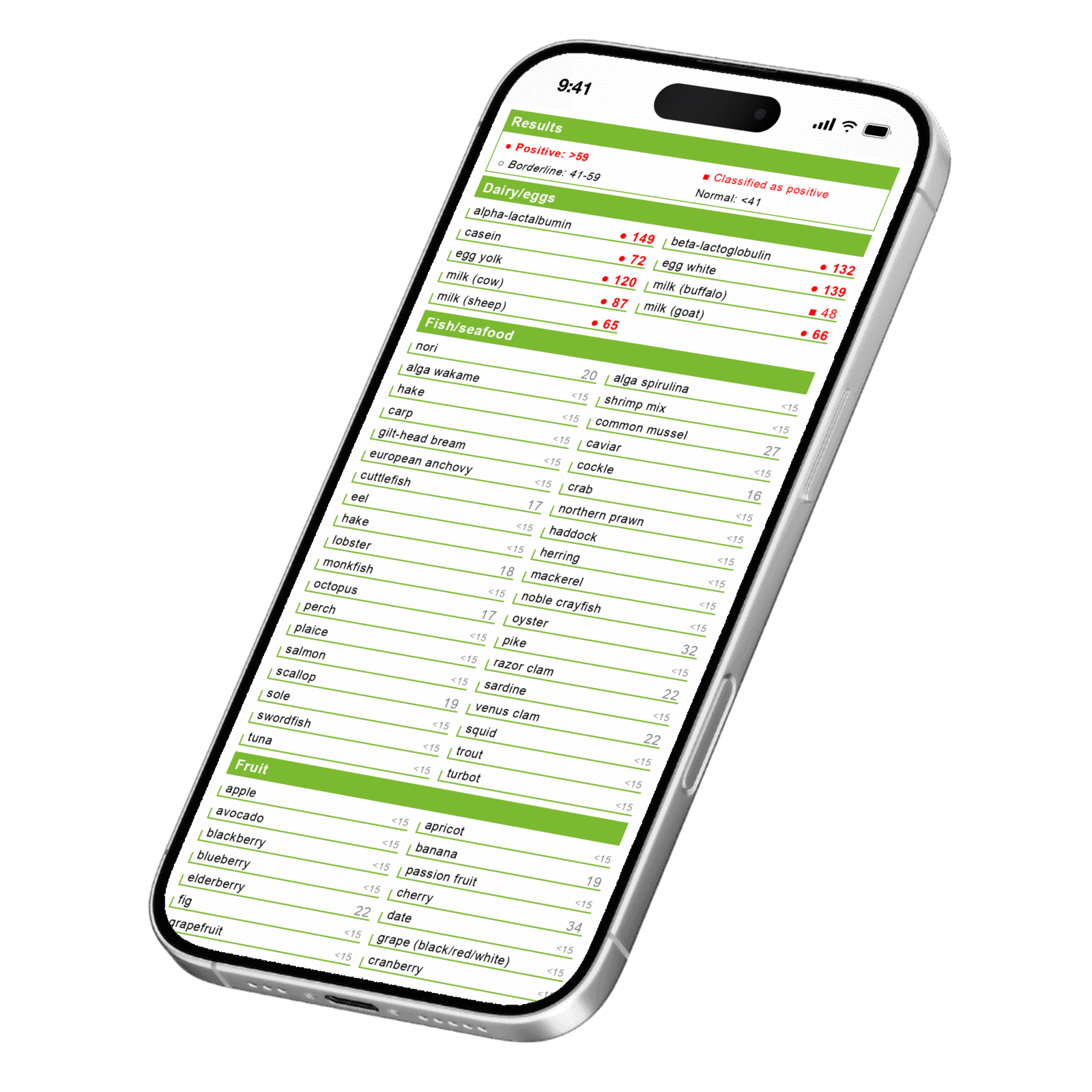
Structure of the test report

What do you see on the test report?

List of foods

The tested foods appear in a clear layout, sorted by category.

Numerical results

Each food has an exact IgG value next to it, showing the extent of the reaction.

Colour-coded markings

The colours help you quickly spot deviations and problem foods.

Choose a food intolerance test

FOODTEST 110+

food intolerance test

View the test report

FOODTEST 200+

food intolerance test

View the test report

What do the numbers on the report mean?

Every food has an IgG value in AU/mL and a mark: positive, classed as positive, borderline or negative. An interactive sample report shows what they mean, how we measure, and what to do after your report.

How to read the report

  • Positive60 AU/mL or more
  • Classed as positiveregardless of the value
  • Borderline41–59 AU/mL
  • Negativeup to 40 AU/mL

What next?

Three steps stand between you and knowing which foods may be putting a strain on your body.

  1. Choose your test

    FOODTEST 110+ is the core test; FOODTEST 200+ covers more than 200 foods and includes a written dietetic evaluation.

  2. Blood sample at home or in the laboratory

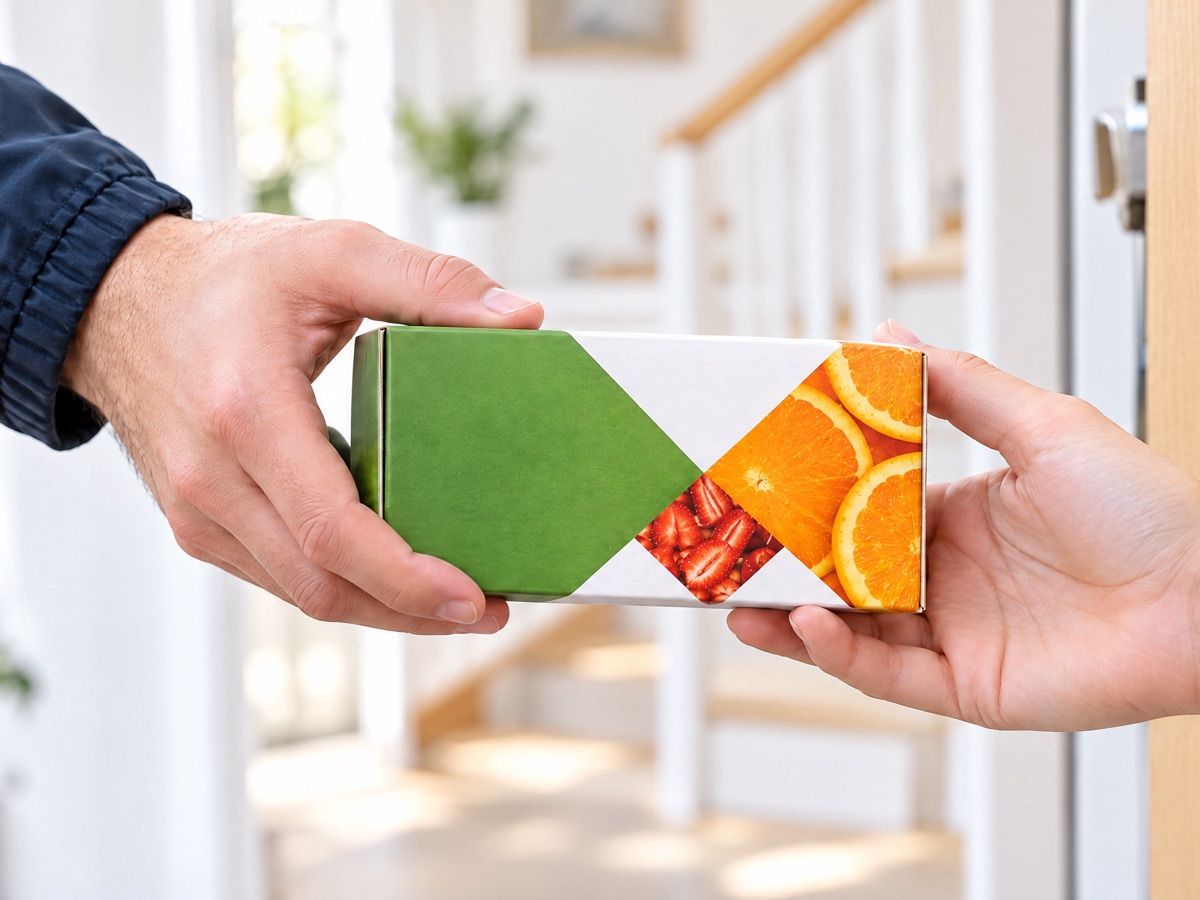
    A few drops of blood are enough. A courier delivers the home sampling kit, and you send the sample back free of charge.

  3. Report and dietary support

    You receive your report within 10 working days at the latest, with an elimination guide and a sample meal plan.

Packages and prices Frequently asked questions