Food intolerance blood test – FOODTEST 110+ and 200+
FOODTEST 110+ and 200+ are protein-chip-based laboratory tests that use a few drops of blood to measure the levels of total IgG antibodies produced against more than 110 or more than 200 food antigens respectively.
The numerical test report shows for which of the tested foods IgG reactivity can be measured, and to what degree. The results come with dietary guidance and, depending on the package you choose, a written dietetic evaluation. You can have the sample taken at home or at one of our six laboratory blood collection sites.
More than 110,000 food intolerance tests performed
Results within 10 working days
With express processing, in 2–5 working days.
Home or laboratory sample collection
Both options are available at no extra charge.
More than 110 or 200 foods
Depending on the test package you choose.
Two core tests
FOODTEST 110+ and FOODTEST 200+
Prices from HUF 59,900
The test can also be paid for from a Hungarian health fund (egészségpénztár) account.
Dietary support
A guide to interpreting your test report, a food diary, recipes and, depending on the package, a dietetic evaluation.
What is a food intolerance test?
Food intolerance is an umbrella term: several different processes may lie behind food-related complaints. Of these, FOODTEST measures the levels of total IgG antibodies produced against food antigens.
The aim of the laboratory measurement is to give a numerical, clear result for the foods included in the test panel. This can help you change your diet based on concrete laboratory results rather than on guesswork alone.
When interpreting the test report, it is worth taking into account not only the IgG values but also your complaints, your eating habits and the foods you eat.
What does FOODTEST measure?
FOODTEST measures the levels of total IgG antibodies produced against the food antigens included in the package you choose.
For each tested food, the test report shows:
- a numerical IgG value;
- an assessment range;
- an easy-to-read colour code;
- the degree of deviation.
What does FOODTEST not test for?
FOODTEST is not:
- an IgE-based food allergy test;
- a coeliac disease test;
- a lactose or fructose intolerance test;
- a histamine intolerance test.
Investigating these conditions requires other laboratory or specialist medical tests.
What does the science say about IgG-based testing?
One key difference: FOODTEST is a total IgG test, not an IgG4 test. The often-quoted position of the European Academy of Allergy and Clinical Immunology (EAACI) task force concerns food-specific IgG4, which mainly shows that the body has met the food (Stapel et al., Allergy 2008). The controlled studies in which symptoms of irritable bowel syndrome (Atkinson et al., Gut 2004) and migraine (Alpay et al., Cephalalgia 2010) eased on an elimination diet based on the IgG result also used total IgG.
The FOODTEST report is not a diagnosis. First, there is currently no diagnosis of food intolerance that such a laboratory test could establish; second, similar tests are not diagnostic on their own even for accepted diagnoses: in food allergy, for example, a doctor also interprets the IgE test result together with the symptoms and, if needed, a food challenge.
That is why we recommend the FOODTEST report not as a diagnosis but as the starting point for a temporary elimination and reintroduction diet guided by a professional, such as a dietitian or a nutrition adviser. More on the professional debate: Clarifying the debate around IgG-specific food intolerance tests.

Which complaints may suggest food intolerance?
Food-related complaints are often hard to recognise because they do not necessarily appear immediately after eating. Someone may experience recurring symptoms for a long time without being able to link them to a single specific food.
A FOODTEST test may be worth considering particularly if you regularly experience, for example:
- bloating;
- abdominal discomfort or abdominal pain;
- diarrhoea or constipation;
- a feeling of fullness;
- nausea;
- recurring skin problems;
- headaches;
- tiredness;
- difficulty concentrating;
- a general feeling of being unwell.
These complaints can have many other causes. For persistent, worsening, unexplained or severe symptoms, a medical assessment is therefore always warranted. FOODTEST can help you get a more targeted picture of possible links between your diet and your complaints.
Why choose the FOODTEST food intolerance test?
FOODTEST is not a rapid test of unknown origin, but a protein-chip-based laboratory testing system. The blood sample is analysed under controlled laboratory conditions, and you receive the result in a numerical, colour-coded test report.
The advantages of FOODTEST:
- protein-chip-based laboratory test;
- measurement of total IgG antibody levels;
- more than 110 or 200 foods tested;
- a few drops of blood are enough for the measurement;
- home and laboratory sample collection options;
- numerical, colour-coded results;
- materials to help you interpret the report and plan your diet;
- dietetic support depending on the package;
- can be paid for from a voluntary health fund account;
- Hungarian-language customer service by phone, email and chat;
- a supportive Facebook community with more than 15,000 members;
- official Hungarian distributor and laboratory background.
More than 110,000 food intolerance tests have been performed at the FOODTEST Food Intolerance Centre to date.
Professional operating licence: PE-06R/033/02479/2015.

FOODTEST 110+ or FOODTEST 200+ – which should you choose?
Both packages are protein-chip-based total IgG tests working on the same principle. The most important differences are the number of foods tested and the dietetic support included in the package.
FOODTEST 110+
Tests more than 110 foods from a blood sample. FOODTEST 110+ contains a panel made up of the most frequently eaten foods.
The package includes:
- total IgG test for more than 110 foods;
- free home or laboratory sample collection;
- numerical, colour-coded laboratory test report;
- video on interpreting your test report;
- FOODTEST Interpretation Handbook;
- nutrition adviser's notes;
- food diary;
- free-from sample recipes;
- "The first 7 days after your result" guide;
supportive Facebook group.
Price: HUF 59,900
FOODTEST 200+
Tests more than 200 foods from a blood sample. FOODTEST 200+ includes a broader food panel and a written dietetic evaluation included in the package price.
The package includes:
- total IgG test for more than 200 foods;
- free home or laboratory sample collection;
- numerical, colour-coded laboratory test report;
- free written dietetic evaluation;
- video on interpreting your test report;
- FOODTEST Interpretation Handbook;
- nutrition adviser's notes;
- food diary;
- free-from sample recipes;
- "The first 7 days after your result" guide;
supportive Facebook group.
Price: HUF 89,900
Which package might be right for you?
FOODTEST 110+ may be the right choice if you would like to be tested on a smaller panel made up of the most frequently eaten foods.
FOODTEST 200+ may be more advantageous if you would like a broader food panel, or if it is important to you that the price also includes a written dietetic evaluation.
Before choosing, it is worth checking which panel includes the foods you eat regularly.
Which foods does FOODTEST test?
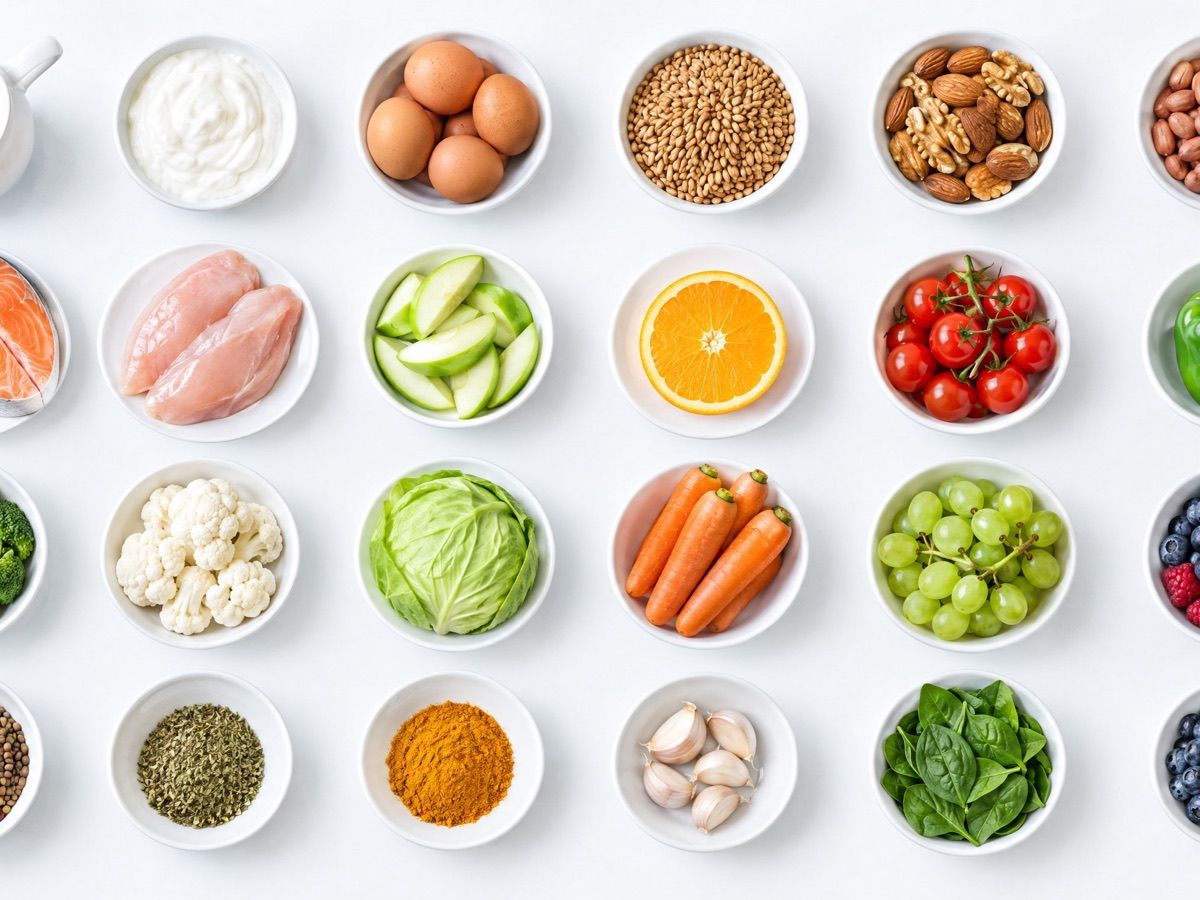
The test panels include foods that are common in the Hungarian diet as well as foods eaten less often.
The tested food groups include, for example:
- milk and milk components;
- egg;
- gluten-containing grains;
- gluten-free grains;
- meats;
- fish and seafood;
- vegetables;
- fruits;
- legumes;
- nuts and seeds;
- spices and herbs;
- mushrooms;
- coffee, tea, cocoa and yeast;
- other common food ingredients.
The contents of the FOODTEST 110+ and FOODTEST 200+ panels differ, so check the full list of foods before ordering.
How does the FOODTEST food intolerance test work?
1. Choose your test package
Compare the contents and prices of the FOODTEST 110+ and FOODTEST 200+ panels and the services that come with them.
2. Choose how your sample will be taken
The sample can be taken: at home, using a few drops of blood from a finger-prick; or in person at one of our six blood collection sites (including the FOODTEST laboratory in Diósd).
There is no separate fee for either home or laboratory sample collection.
3. The blood sample goes to the laboratory
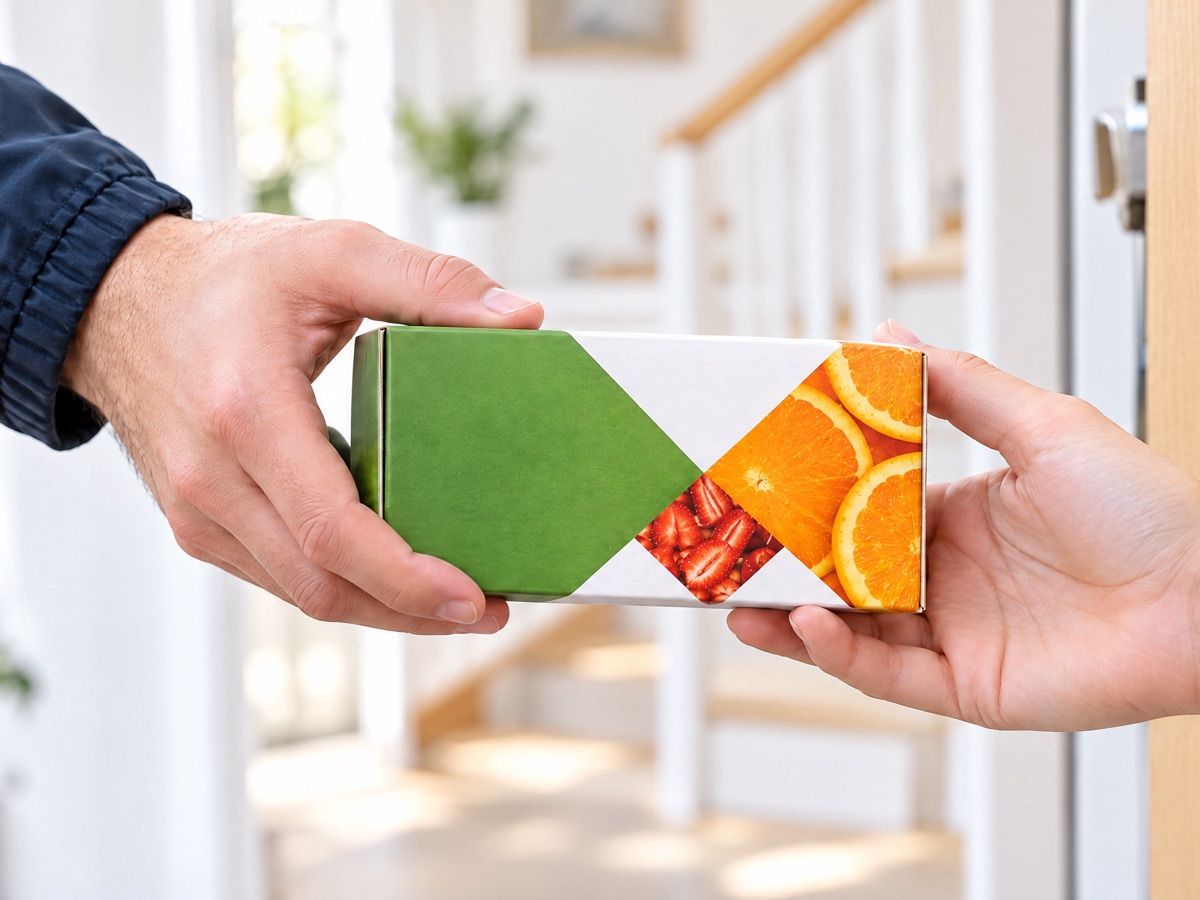
For home sample collection, a courier delivers the kit. You can send the sample back within 90 days: you book the return courier in advance for the day you plan to take the sample.
4. The laboratory measurement is performed
In the laboratory, the levels of total IgG antibodies produced against the food antigens in your chosen panel are measured.
5. Your numerical test report is prepared
With standard processing, the result is ready within 10 working days at the latest. If you choose express processing, you receive the result within 2–5 working days.
We will notify you by email when your test report is ready, and you can access the result in your myFOODTEST account.
6. You receive the support you need to interpret it
The package includes guides to interpreting your test report, a food diary and dietary support materials. FOODTEST 200+ also includes a free written dietetic evaluation, which you can request in your myFOODTEST account once your report is ready.
How should you prepare for the FOODTEST test?
You do not need to fast before the blood sample collection; you can eat and drink beforehand.
However, it is worth bearing a few important points in mind before the test:
- do not stop taking your regular medicines on your own initiative;
- steroid and immunosuppressive medicines may affect the measurement result;
- if you are on medication, consult your doctor;
- if you have a confirmed food allergy or another reason to exclude a food, do not reintroduce the food concerned;
- do not start a new, strict exclusion diet immediately before the test.
You can find detailed preparation information in a separate guide.
Home blood sample collection for the FOODTEST test
Home sample collection is a convenient solution if you would rather not travel to a blood collection point in person.
The process is simple:
- You order the FOODTEST 110+ or 200+ test.
- A courier delivers the blood sampling kit.
- You take the finger-prick sample following the enclosed instructions.
- A courier returns the sample to the laboratory.
- You receive an email notification when your result is ready.
A few drops of blood are enough for home blood sample collection. You do not have to pay any separate fee for delivery or return of the kit, or for the home sampling option.
What does the FOODTEST test report show?
The FOODTEST test report shows the IgG value measured in the laboratory for each food.
On the test report:
- you can see the tested foods arranged in categories;
- a numerical IgG value appears next to each food;
- colour codes help you review the results;
- results that deviate from the reference value are easy to spot.
The test report is not a simple list of forbidden foods. When changing your diet, you also need to consider how often you eat the food in question, what complaints you have, and how a balanced nutrient intake can still be ensured.
Before excluding foods long-term or excluding several food groups, it is advisable to consult a dietitian.
What is the difference between food intolerance and food allergy?
Food allergy and food intolerance are two different conditions. Different processes lie behind them, they can cause different symptoms, and they cannot be detected with the same tests. The terms are easy to confuse because the same food can cause, for example, abdominal complaints, nausea or skin symptoms in both cases. However, the way the reaction develops and how dangerous it is can differ significantly.
What happens in food allergy?
In food allergy, the immune system identifies an otherwise harmless food component as a dangerous substance and launches a defensive reaction against it.
The symptoms of IgE-mediated food allergy often appear within minutes or a few hours of eating the food. Even a small amount of allergen can trigger a reaction.
Typical symptoms may include:
- hives or severe itching of the skin;
- swelling of the lips, tongue or throat;
- shortness of breath, wheezing;
- hoarseness or difficulty swallowing;
- nausea, vomiting or abdominal cramps;
- sudden weakness;
- dizziness or feeling faint.
An allergic reaction can be severe, even life-threatening. If a food allergy is suspected, an allergological assessment is needed, which, in addition to evaluating the medical history and symptoms, may include specific IgE blood tests, skin prick tests or a food challenge carried out under specialist supervision.
Not all food allergies are IgE-mediated, and certain allergic processes can also cause delayed symptoms. The timing of the symptoms alone is therefore not enough to reliably distinguish between allergy and intolerance.
What happens in food intolerance?
Food intolerance is an umbrella term. It covers several conditions in which the body does not properly process or tolerate a particular food or one of its components.
The underlying cause may be, for example:
- a lack or reduced activity of a digestive enzyme;
- malabsorption;
- a problem breaking down a food component;
- a pharmacological or other non-IgE-mediated reaction;
- a food-related immunological process.
The complaints often develop more slowly and in many cases also depend on the amount eaten. This makes it harder to recognise which food may be behind them.
Typical complaints may include:
- bloating;
- abdominal pain or discomfort;
- diarrhoea or constipation;
- a feeling of fullness;
- increased gas production;
- nausea;
- headache;
- tiredness;
- recurring skin complaints.
Food intolerance does not usually cause the kind of immediate, life-threatening reaction that a severe food allergy can. How it is investigated depends on the type of intolerance suspected.
Not every food intolerance can be detected with the same test. There is no single laboratory test that can detect every food-related problem at once.
For example:
lactose intolerance is usually caused by reduced activity of lactase, the enzyme needed to break down milk sugar;
fructose malabsorption can be investigated with a targeted breath test;
coeliac disease is an autoimmune disease related to gluten that requires a separate medical and laboratory assessment;
allergological tests and IgE-based tests can be used to investigate food allergy;
FOODTEST measures the levels of total IgG antibodies produced against foods.
So when choosing the right test, you need to consider not only which food your complaints appear after, but also the type, severity and timing of the symptoms.
Important differences:
- a positive FOODTEST result does not mean an IgE-mediated food allergy;
- a negative FOODTEST result does not rule out food allergy;
- decisions about reintroducing a confirmed allergen must not be based on the FOODTEST result;
- if an allergy is suspected, an allergological assessment is needed.
Food intolerance test for children
The FOODTEST Children's package is recommended from the age of 2. In addition to the FOODTEST 200+ test, the package includes dietetic support put together specifically for families with children.
The children's package includes:
- total IgG test for more than 200 foods;
- free home or laboratory sample collection;
- a 45-minute online dietetic consultation with dietitian Gabriella Várallyay;
- a weekly family menu plan;
- sample recipes created for children;
- materials to help you interpret the report and plan your diet.
Price of the FOODTEST Children's package: HUF 109,900.
For children, it is especially important that dietary changes do not lead to a deficient or one-sided diet. In the case of persistent or severe complaints, it is worth consulting a paediatrician before the test as well.
The cost of FOODTEST tests can also be paid for from a voluntary health fund account. You can choose between home and laboratory sample collection at no extra charge.
Frequently asked questions about the food intolerance test
We have gathered the most frequently asked questions about FOODTEST tests, sample collection, results and choosing the right package.
Do I need to fast before the blood sample collection?
- No. You can eat and drink before the FOODTEST blood sample collection.
Is the sample collection painful?
- For home sample collection, a few drops of blood need to be taken from a finger-prick. For laboratory sample collection, the blood sample is taken by a qualified member of staff.
What does an elevated IgG value mean?
It means that elevated total IgG reactivity against the food antigen in question can be measured compared with the laboratory reference value. The result is best interpreted together with your diet and your complaints.
Is FOODTEST an allergy test?
- No. FOODTEST is not an IgE-based allergy test; it measures total IgG antibody levels against food antigens.
Which test should I choose?
- When choosing, look at the exact list of foods in the two panels. If you would like a broader test panel and a written dietetic evaluation included in the package, FOODTEST 200+ may be more suitable.
How long does it take for the result to be ready?
- With standard processing, within 10 working days at the latest; with express processing, within 2–5 working days.
Can the sample be taken at home?
- Yes. FOODTEST 110+, FOODTEST 200+ and the Children's package can also be ordered with the home blood sample collection option.
Is there a separate fee for home sample collection?
- No. Delivery of the blood sampling kit and return of the sample to the laboratory are both free of charge.
Can the test be paid for from a health fund?
- Yes. The cost of the test can be paid for from a voluntary health fund account. When ordering, enter the necessary details of the health fund and the fund member.
What should I do after receiving my result?
Read the interpretation guide that comes with your test report, keep a food diary, and plan your dietary changes gradually and consciously. Before excluding several foods or entire food groups, it is advisable to consult a dietitian.
Choose the FOODTEST test that is right for you
With FOODTEST, total IgG reactivity to more than 110 or 200 foods can be tested from a few drops of blood.
Choose the test panel that suits you, decide whether you would like home or laboratory sample collection, and order the test from an official Hungarian source.
 Order FOODTEST 110+
Order FOODTEST 200+
I'd like help choosing
Professional background and quality assurance
Internationally monitored laboratory background
Since 2015 our tests have been part of the CNS Assure External Quality Control Assessment scheme. Regular, independent external quality control serves to continuously verify the accuracy and professional reliability of our laboratory measurements.
Written by: Varga-Prémus Viktória, functional nutrition adviser
Professionally reviewed by: dr. Krkos Károly, laboratory medicine specialist
This content is for general information only and does not replace personalised medical examination or treatment.
Related professional information
Which foods does FOODTEST test?
How to prepare for the FOODTEST test
What does the FOODTEST test report look like?
FOODTEST prices and packages