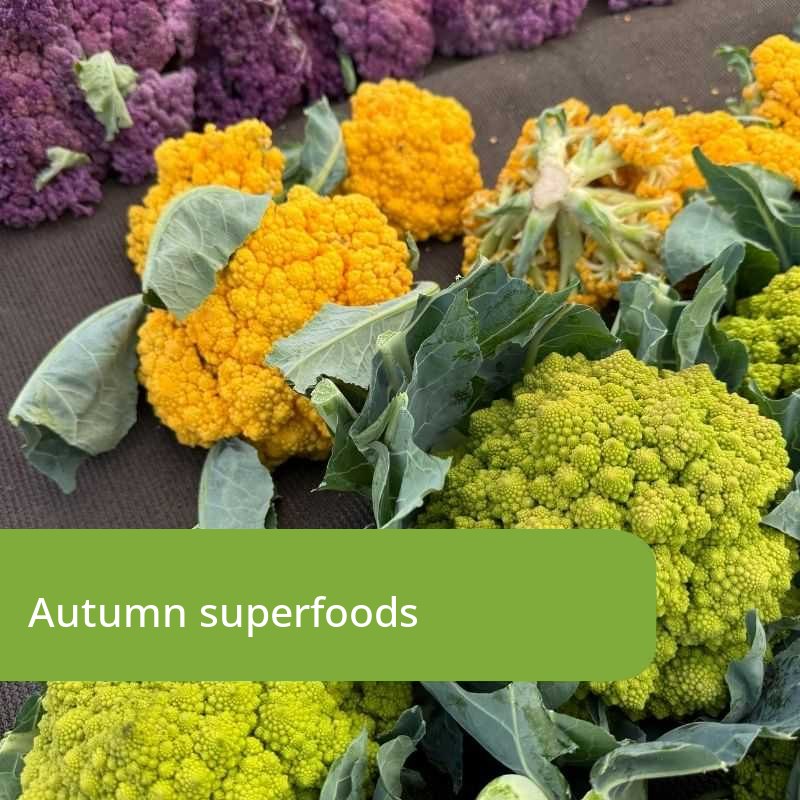
SUPERFOOD – it sounds impressive, and we come across the term more and more often. But do we know what makes it super?
Foods with a high nutrient density (vitamins, minerals, fibre) undeniably belong in the superfood category. Unfortunately, most of the superfoods we know are very expensive foods brought from different parts of the world, even though many plants that deserve the superfood label grow here at home too. Of course, this does not mean that the well-marketed goji berry, for example, is not useful, but its local counterpart, rosehip, is also remarkably healthy.
We have collected a few native plants that deserve a place in every kitchen! Even their most important properties show that they really serve us well, especially in the autumn and winter months.
- squashes and pumpkins
Squash is full of fibre and antioxidants, and butternut squash and pumpkin are rich in beta-carotene and vitamins. It can be used in many dishes: soups, vegetable stews, side dishes, main courses and desserts. The seeds are rich in protein and essential fatty acids, and also contain vitamin E, selenium, manganese, copper and zinc!
- broccoli and cauliflower
Broccoli is rich in vitamins K, C and E, calcium and fibre. Its relative, cauliflower, is not short of antioxidants either; it is high in fibre and also contains B vitamins. Both can be boiled or roasted – of course, steaming preserves their nutrients best – but they are tasty and beneficial in every form.
- buckwheat and millet
Buckwheat contains large amounts of vitamins E and C and several B vitamins, as well as manganese, copper, magnesium and zinc. It can go into rissoles, and is also excellent as a side dish or in soups. Millet is also an excellent source of magnesium, full of vitamins. Both plants are rich in fibre and, last but not least, fit very well into a gluten-free diet!
However, because millet has a mild iodine-depleting effect, you need to watch the amount – especially with thyroid disease – and possibly take iodine supplements!
- cabbages and Brussels sprouts
Cabbage's value comes from its high vitamin, mineral and fibre content. Its mini sibling, the Brussels sprout, is one of the vegetables with the highest protein content. Like cabbage, it contains plenty of vitamin K, which contributes to the maintenance of normal bones.
5. chestnuts
Sweet chestnuts should not be confused with horse chestnuts! The latter can even be poisonous! Its sweet relative, however, is good for much more than desserts. As a substitute for wheat flour, it is a real treasure for people with gluten sensitivity! Thanks to its distinctive flavour, it suits both sweet and savoury dishes as a purée, a side dish or a sauce. It contains hardly any fat or protein, but is high in carbohydrates. What many people do not know is that the high fibre content of chestnuts keeps the digestive system in order, and its calcium content is good for the bones. It also contains zinc, vitamins C and B, vitamin E and tannin. What is more, the sweet chestnut is a plant whose every part – even the bark of the trunk – was used in folk medicine!
- beans
There are many varieties of beans, yet there is little difference between them in terms of nutrient content. All are excellent sources of vitamins B1 and K, folic acid, phosphorus, magnesium, sodium, molybdenum, iron and manganese. Besides being nourishing and tasty, research is looking at their link with the risk of cardiovascular disease, diabetes, obesity and cancer. Their antioxidant content is higher the darker the bean skin. Interestingly, resveratrol, the compound known from red wine, is also found in beans.
- blueberries and rosehips
Blueberries are extremely rich in antioxidants; research is also looking at the effect of cranberries on urinary tract infections. Rosehip is an inexhaustible source of vitamin C, containing twenty-two times more of the vitamin than goji berries, as well as organic acids, mineral salts and pectin. We mainly know both plants as teas, yet as jam, smoothies, cordial or simply on their own, even frozen, they make an excellent snack.
- walnuts
Walnuts are the real superfood of the cold months. They contain vitamins, minerals and essential fatty acids: 30 grams of walnuts a day contribute to the improvement of the elasticity of blood vessels, and their alpha-linolenic acid to the maintenance of normal blood cholesterol levels. Their vitamin E content does not only nourish the skin! It is a myth that walnuts are only a useful ingredient for cakes – they go with many meat dishes too!
- sunflower seeds and flaxseed
Good old sunflower seeds are not nearly as well marketed as pine nuts, for example, but they can compete with them in both price and nutrient content. They contain proteins, vitamins, minerals, folate and phosphorus, and are rich in fatty acids and antioxidants. Flaxseed, in turn, can compete with chia seeds! It is high in omega-3 fatty acids and contains, among other things, B vitamins, antioxidants, manganese, zinc, lignans and selenium.
- apples and pears
We do not have to wait for the most super fruits to arrive from overseas – although tropical fruits are also delicious and beneficial – the most super fruits of autumn, apples and pears, are within arm's reach. The saying is no accident: an apple a day keeps the doctor away! Apples are high in vitamin C, vitamins A and B, calcium, magnesium, potassium and sulphur. Thanks to pectin, they support the digestive system. Pears are a similarly super fruit, containing vitamin C, vitamin K, calcium, iron, magnesium, folic acid and vitamin B6, among others.
Of course, quite a few other superfoods grow around us, such as carrots, celery, parsley, kohlrabi, cucumbers, tomatoes and many fruits. If we look a little into the history and spread of plants and check their vitamin and mineral content, we will realise that many plants thought to be useless are real treasures for keeping us healthy!
In autumn and winter too, the main principle of a diet is variety and balance!

Don't just get the school bag ready
Starting school is not only about new exercise books and a changed daily routine but also about reorganising family meals. The FOODTEST Children's pac...
IBS and food intolerance: can diet help?
Several factors may lie behind irritable bowel syndrome, and the role of diet may also come up. The article explains in plain terms how certain foods...
Do you have to give up tasty food with a food intolerance?
Free-from or diet cooking does not mean going without: with the right ingredients and tricks, you can make tasty, varied dishes at home too.
Free download (PDF)
Elimination starter kit
Leaving foods out and bringing them back, step by step, without your plate going empty.