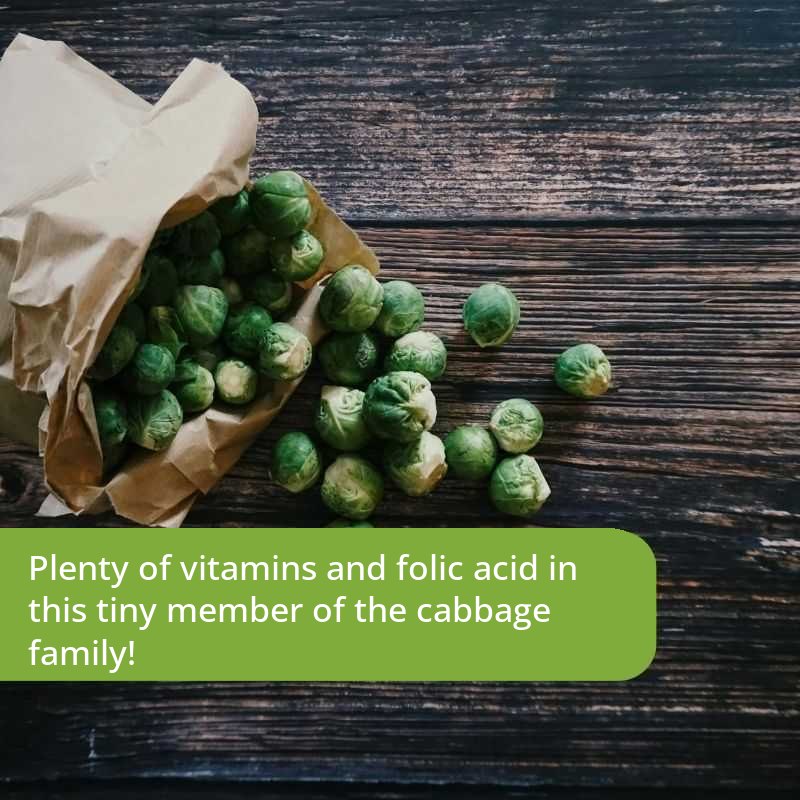
Brussels sprouts are a vegetable bred from wild cabbage, and their origin is somewhat obscure. Some say they come from the Mediterranean, others from China. What is certain is that a wild cabbage similar to Brussels sprouts was already eaten in ancient Rome and was even highly valued. Later, in the 13th century, they began to be grown in the Low Countries and soon became popular in Europe. French settlers took them to America in the 19th century.
Many people pull a face at their slightly bitter taste, as they are closest to savoy cabbage, which is also bitter. However, it is worth considering eating them often, because besides their outstanding vitamin content they are also rich in folic acid, omega-3 fatty acids, iron, phosphorus, protein, magnesium, manganese, copper, potassium and calcium. Almost all vitamins can be found in Brussels sprouts: they contain vitamins A, C, K, B6, B1, B2 and E. Because of their high fibre content, they are also recommended for diets. Like other members of the cabbage family, Brussels sprouts contain many sulphur-containing plant compounds, whose effect on the body's enzyme activity is also being studied. Because of their high folic acid and calcium content, even doctors recommend them to expectant mothers.
Folk observation also recommends Brussels sprouts for supporting the heart and blood vessels and digestion; these are traditional experiences, not proven healing effects. The body converts their beta-carotene into vitamin A, which contributes to the maintenance of normal vision and normal skin.
Brussels sprouts can be prepared in many ways, boiled or steamed. As a soup, a vegetable stew, a side dish or a bake, they can be made tasty on their own or together with other vegetables.
Nutmeg, savory, black pepper, thyme, marjoram and mustard give this mini green cabbage a great flavour.

Don't just get the school bag ready
Starting school is not only about new exercise books and a changed daily routine but also about reorganising family meals. The FOODTEST Children's pac...
IBS and food intolerance: can diet help?
Several factors may lie behind irritable bowel syndrome, and the role of diet may also come up. The article explains in plain terms how certain foods...
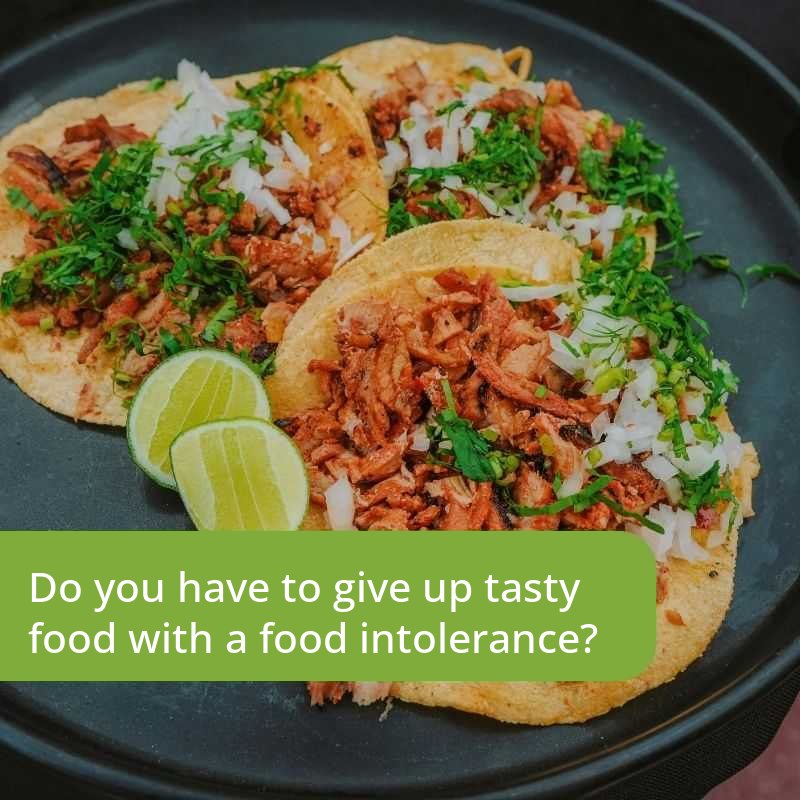
Do you have to give up tasty food with a food intolerance?
Free-from or diet cooking does not mean going without: with the right ingredients and tricks, you can make tasty, varied dishes at home too.
FOODTEST newsletter
Food intolerance tips and recipes by email
Practical diet tips and recipes, straight to your inbox.