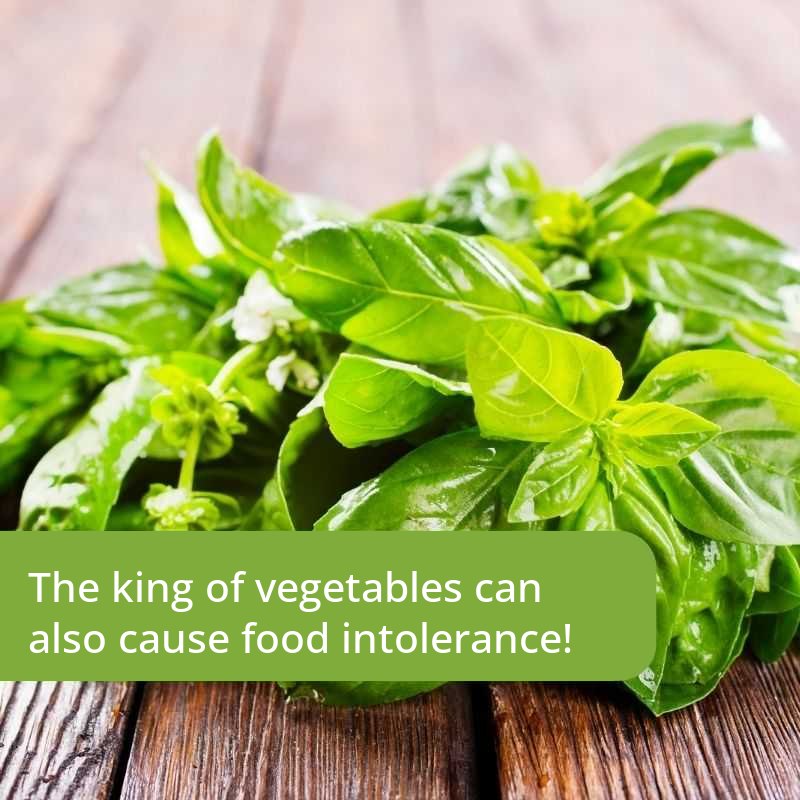
In Hungary basil is regarded mainly as a herb, yet it contains valuable components. It is no coincidence that in several Asian countries it is considered a sacred plant and the king of vegetables.
It has a distinctive and very pleasant scent and is easy to recognise; it belongs to the mint family. Its original home is Persia, India and other tropical regions of Asia, where its leaves and seeds are used mainly for medicinal purposes.
It really thrives in warm, tropical regions, but by growing it in a pot at home we don’t have to go without fresh basil either.
Its leaves contain essential oils whose anti-inflammatory and antibacterial effects are also being studied in laboratory research. It is rich in basic nutrients and vitamins and contains plenty of beta-carotene, vitamin A and vitamin K. Vitamin K contributes to normal blood clotting and to the maintenance of normal bones.
It contains a great many minerals: potassium, manganese, copper, iron and magnesium. Potassium contributes to normal functioning of the nervous system and muscles and to the maintenance of normal blood pressure.
We mainly use it to flavour tomato dishes, but it is also worth trying for seasoning meats. Basil can also be made into a tea or decoction, which gives us its active ingredients in a more concentrated form.
Unfortunately, you may even be sensitive to basil, but the FOODTEST test will also show if your body reacts to it with a raised IgG antibody level. Find out more:
http://www.foodtest.hu/hu/foodtest-tel-kimutathato-etelerzekenysegek-listaja

Don't just get the school bag ready
Starting school is not only about new exercise books and a changed daily routine but also about reorganising family meals. The FOODTEST Children's pac...
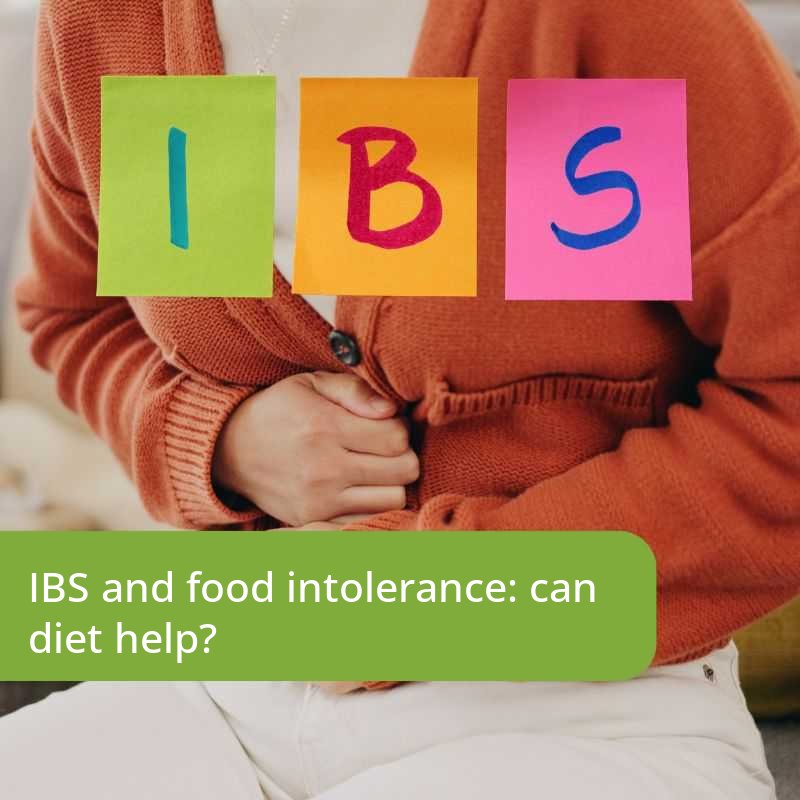
IBS and food intolerance: can diet help?
Several factors may lie behind irritable bowel syndrome, and the role of diet may also come up. The article explains in plain terms how certain foods...
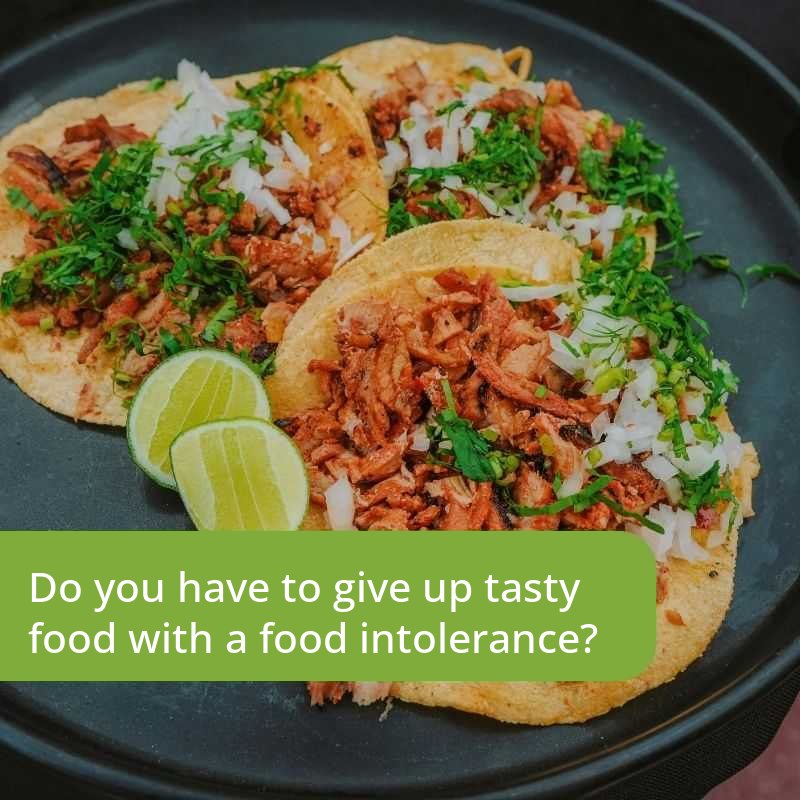
Do you have to give up tasty food with a food intolerance?
Free-from or diet cooking does not mean going without: with the right ingredients and tricks, you can make tasty, varied dishes at home too.
FOODTEST newsletter
Food intolerance tips and recipes by email
Practical diet tips and recipes, straight to your inbox.