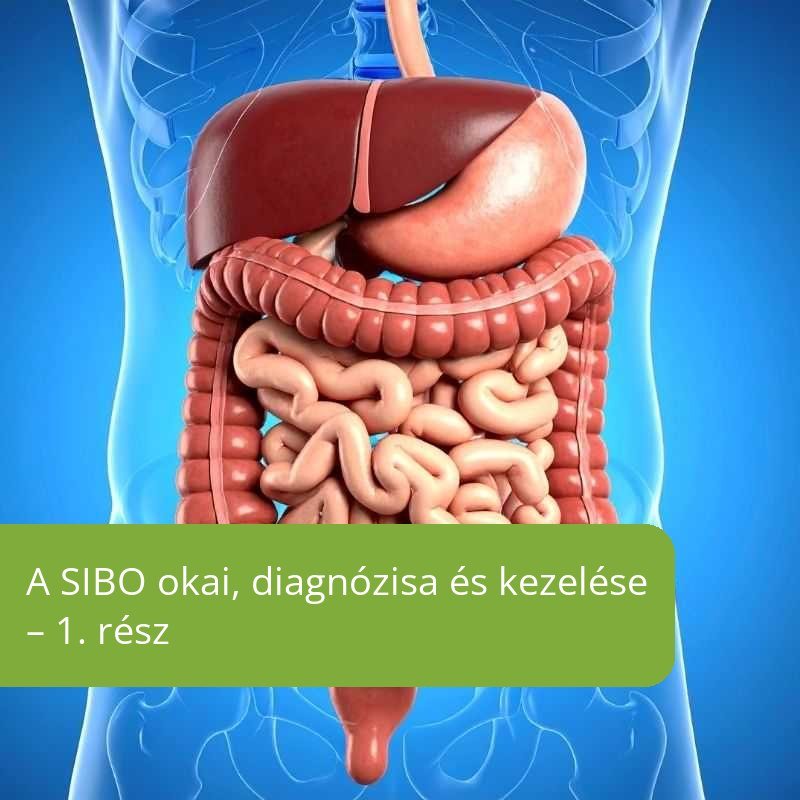
The presence of gas in the digestive tract is a completely natural phenomenon, but the amount certainly matters, as do the causes. Several litres of air enter the digestive system every day as we eat and drink, but there are activities that greatly multiply the amount of air, such as chewing gum, drinking fizzy drinks or eating too quickly. Of course, this alone does not explain an unpleasant feeling of tightness or pain.
If bloating or another digestive complaint keeps coming back, you can read more about the possible causes and the role of diet on our digestive problems page.
When food is broken down, however, further gases are produced, some of which leave upwards and some downwards. It causes real pain when the gas does not move in either direction but gets trapped.
There are hard-to-digest foods that cause problems for a great many people, such as pulses, especially dried beans and green peas, but also brassicas, maize and onions. These plants are very useful and all contain important nutrients, but they also contain hard-to-digest carbohydrates, which our body can only break down in the large intestine with the help of bacteria. This produces a considerable amount of gas.
In such cases, most of us know what we have eaten and quietly wait for the effect to pass.
But what if we have not eaten anything hard to digest, yet we often feel bloated and have stomach ache?
First of all, it is worth ruling out organic problems. A thorough abdominal ultrasound can quickly reveal whether there is any abnormality inside that is causing the regular bloating. Regular bloating can be a symptom of many different diseases, so do not take it lightly!
At the same time, it often happens that every test says we are healthy. This is partly good news and partly bad, since we are still bloated…
Food intolerance may be the cause!
We may not have eaten hard-to-digest food, but perhaps we have eaten something we are sensitive to. This means that other foods can also cause problems for us, such as cereals, potatoes, or anything we would never suspect. Practically any food that our body cannot break down properly can cause bloating and stomach ache. There are lasting conditions, such as lactose intolerance or coeliac disease (the latter is an autoimmune disease), which are confirmed by medical tests and need lasting attention to diet. These must also be investigated! Many regard IgG-mediated food sensitivity as a temporary condition.
According to a widespread explanation, the permeability of the gut increases and food proteins that are not fully digested pass through it, against which the body produces IgG antibodies; this proposed mechanism is debated among experts. The FOODTEST 200+ test measures IgG antibody levels to more than 200 foods. Based on the result, an elimination diet lasting a few months and guided by a specialist may ease the complaints in some people; the effect varies from person to person.
But let’s not forget that changing your lifestyle is the most important thing!
The human body was designed for movement! So constant sitting or standing at work, driving, and then evening snacking in front of the TV are all enemies of our body. After all, not only our muscles but also our gut needs daily exercise. It is also very important to take in as few artificial additives as possible, to spend plenty of time in the fresh air and to eat a varied diet. Besides the foods themselves, the state of the digestive system may also play a part in developing a food intolerance, and lifestyle, the environment and certain medicines can affect it.
Finally, let’s not forget to drink enough fluids – pure water is best. The anti-bloating effect of some plants can also help relieve the complaints, such as caraway, fennel, aniseed and chamomile.

Don't just get the school bag ready
Starting school is not only about new exercise books and a changed daily routine but also about reorganising family meals. The FOODTEST Children's pac...
IBS and food intolerance: can diet help?
Several factors may lie behind irritable bowel syndrome, and the role of diet may also come up. The article explains in plain terms how certain foods...
Do you have to give up tasty food with a food intolerance?
Free-from or diet cooking does not mean going without: with the right ingredients and tricks, you can make tasty, varied dishes at home too.
FOODTEST newsletter
Food intolerance tips and recipes by email
Practical diet tips and recipes, straight to your inbox.