


Diet
What could I replace these foods with?
With a food intolerance, foods with high values need to be left out of the diet temporarily and can then be reintroduced gradually once symptoms impro...
Expert articles on food intolerance, its symptoms, the elimination diet and our patients’ experiences.
With a food intolerance, foods with high values need to be left out of the diet temporarily and can then be reintroduced gradually once symptoms impro...

Based on a FOODTEST result, foods with high values should be avoided for three months and then gradually reintroduced, while protein intake can be cov...

Gliadin intolerance is not the same as coeliac disease, but avoiding gluten-containing cereals can help reduce symptoms.

With a negative coeliac test, eating grains depends on the food intolerance result: it is worth avoiding grains with high values and moderating border...

Persistent complaints alongside coeliac disease may be caused by further food intolerances or digestive problems, so a thorough investigation and the...
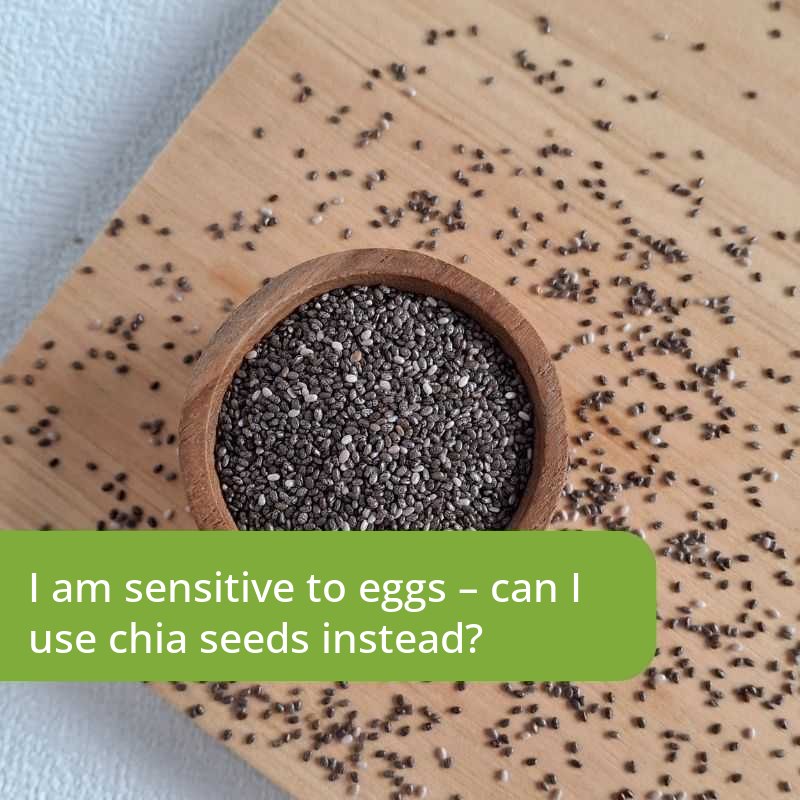
The FOODTEST 200+ test helps identify food intolerances and gives guidance on the steps of the elimination diet and the later reintroduction of foods.

With a food allergy, foods labelled “may contain traces” should also be avoided, whereas with a food intolerance they can usually be eaten.

Mustard is a versatile spice used in folk medicine for colds and joint pain, but in larger amounts it can have a laxative effect.
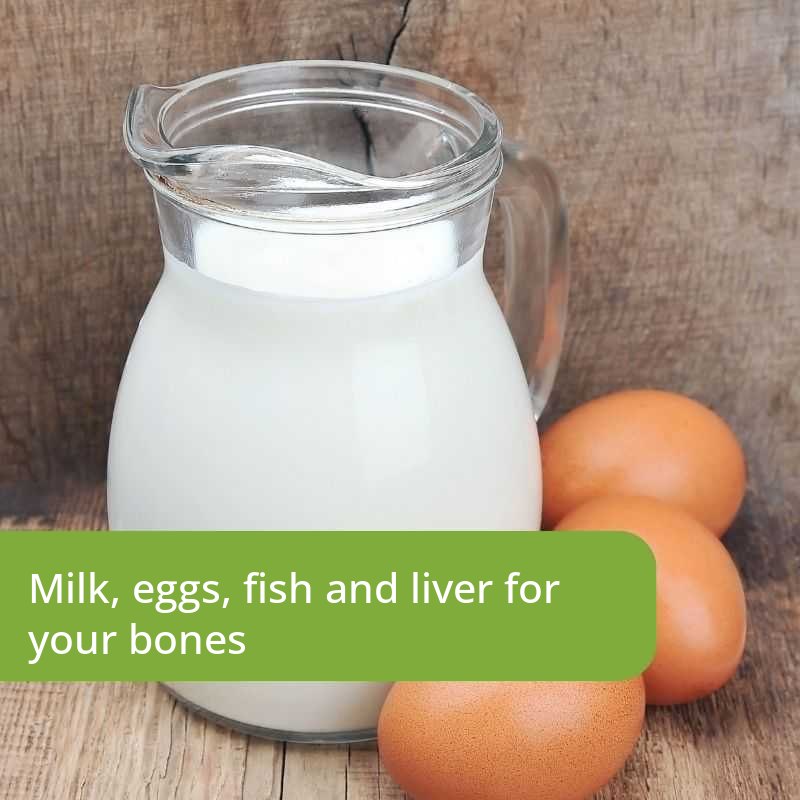
Vitamin D helps calcium to be built into the bones and is found in fish, eggs and liver, among other foods.

Coconut is a nutrient-rich ingredient that can also be made into lactose-free coconut milk.
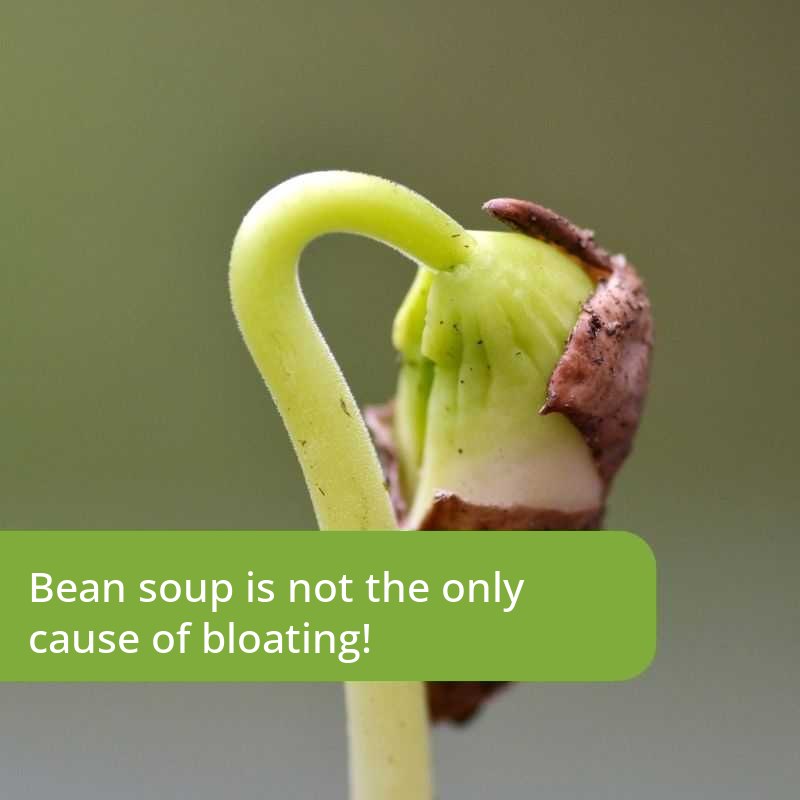
Frequent bloating and abdominal pain can have many causes, food intolerance among them, so getting checked is important.
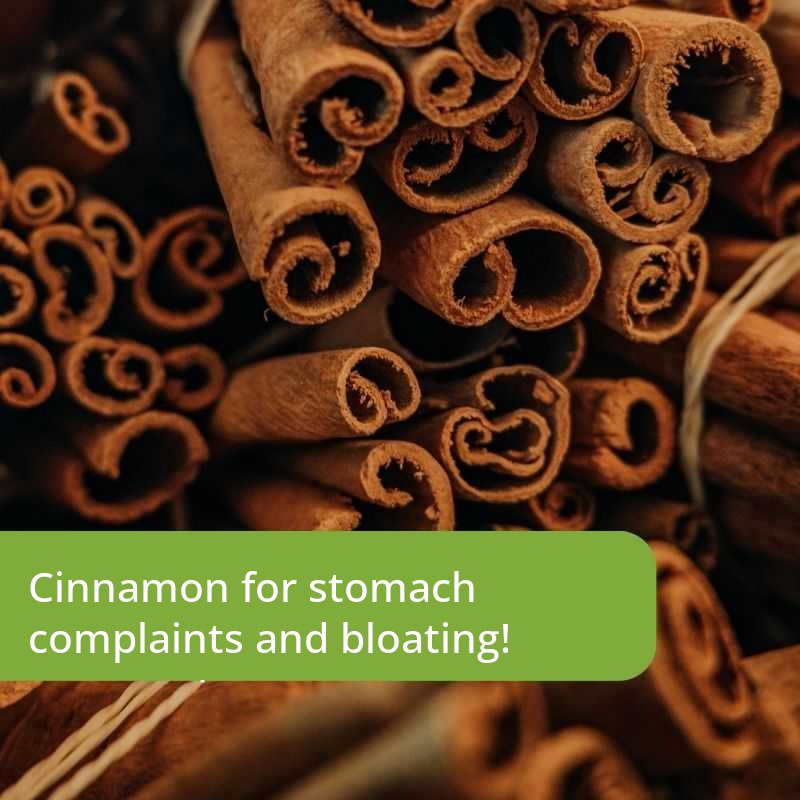
Cinnamon is a nutrient-rich spice whose effects on blood sugar and cholesterol are also being researched, although in rare cases it can also cause sen...