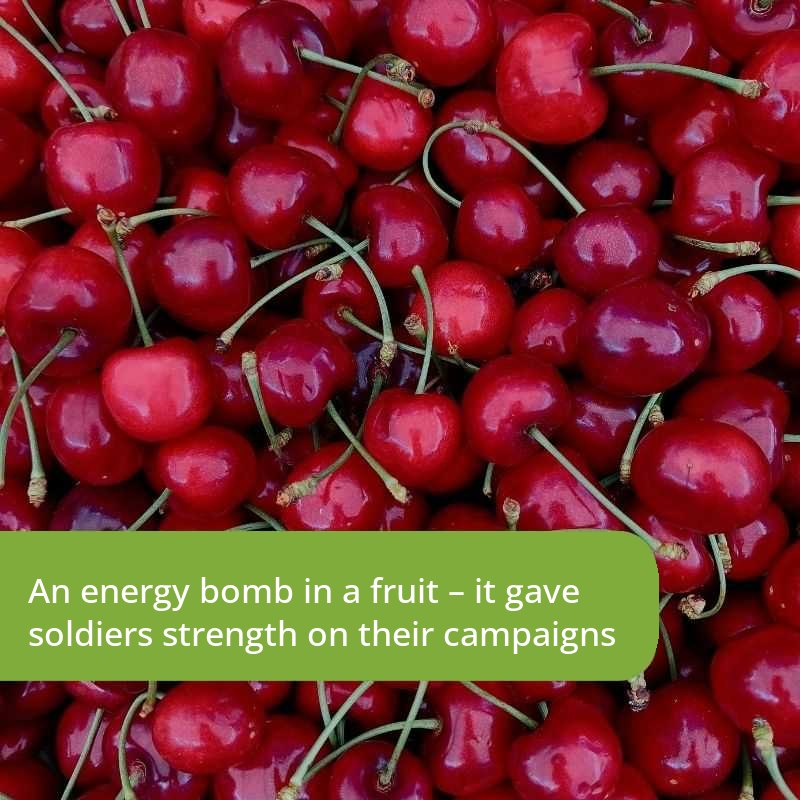
The cherry is one of the most attractive and delicious fruits; in antiquity it was rightly called the food of the gods. If you take a closer look, the ripe fruits develop into a heart shape. There are several theories about its origin, but the earliest records found so far date from the 4th century BC. Remains have also been found in Western European graves, so it is not known exactly when it "dropped to earth", or who discovered it and when.
It was the most important thirst-quencher and energy reserve for ancient soldiers on the march. This is no coincidence, as the fruit is high in both energy and water.
It contains a particularly large amount of vitamin A, vitamins B1, B2 and B6, and vitamin C. It also contains fruit sugar, folic acid, pantothenic acid, niacin, biotin and riboflavin. It is not short of minerals either: its phosphorus, calcium, sodium and cobalt content is significant.
It is rarely mentioned that the cherry is also regarded as a medicinal plant. According to folk tradition, its stalks are brewed into a diuretic tea that is also recommended for skin prone to spots. In folk medicine it was used for pain relief, bronchial complaints, colds and for keeping the joints healthy.
Cherries are best fresh, but they freeze well and keep their vitamins when frozen. They can also be preserved by bottling, but heat treatment reduces their vitamin content, although the other important components remain.
The beautifully grained, reddish wood and the root of the cherry tree are hard and valuable materials for furniture. They are used for inlays, furniture decorations and musical instruments, and became popular in the Biedermeier period.
When the bark of the cherry tree is damaged, it releases resin, which was used to stiffen felt hats. Dissolved in wine, it was sipped against coughs.

Don't just get the school bag ready
Starting school is not only about new exercise books and a changed daily routine but also about reorganising family meals. The FOODTEST Children's pac...
IBS and food intolerance: can diet help?
Several factors may lie behind irritable bowel syndrome, and the role of diet may also come up. The article explains in plain terms how certain foods...
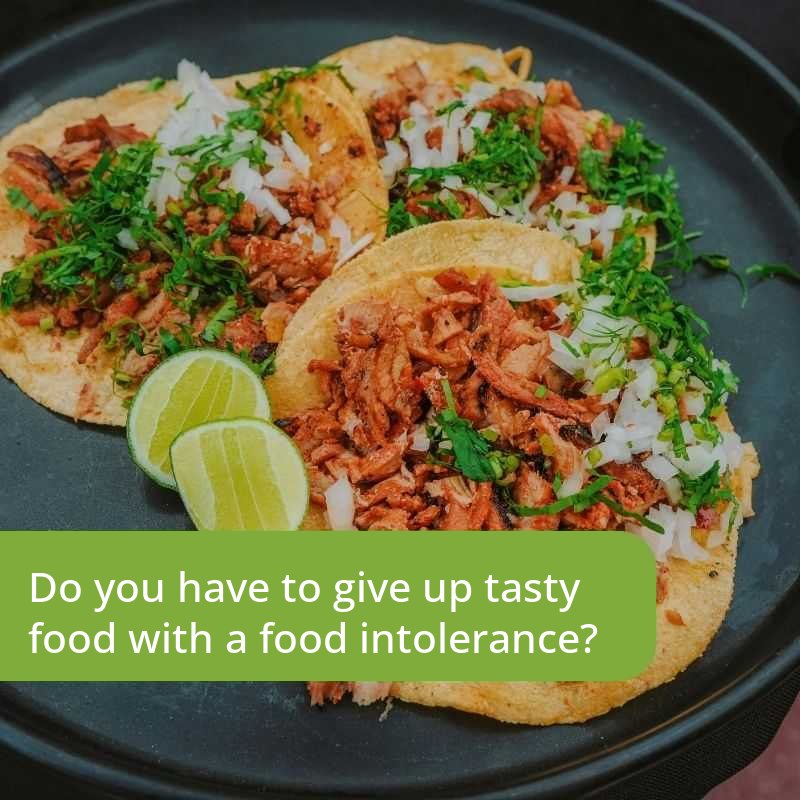
Do you have to give up tasty food with a food intolerance?
Free-from or diet cooking does not mean going without: with the right ingredients and tricks, you can make tasty, varied dishes at home too.
FOODTEST newsletter
Food intolerance tips and recipes by email
Practical diet tips and recipes, straight to your inbox.