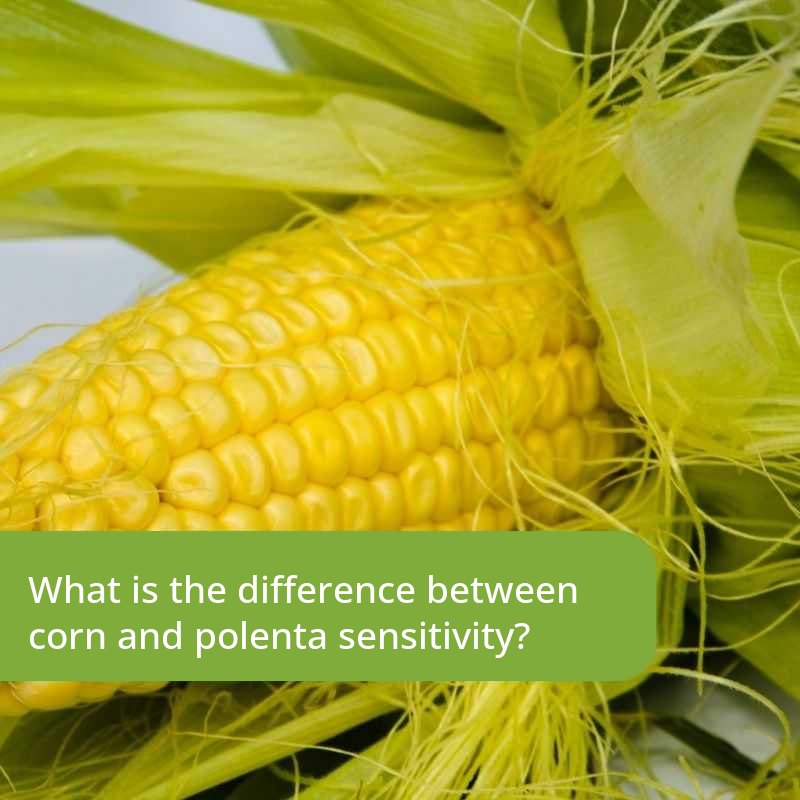
What is the difference between corn and polenta sensitivity? I had a food intolerance test in January 2013. Since then I have been following a strict diet and I am experiencing its beneficial effects. However, I have a question about one thing: as far as I know, polenta is made from cornmeal. According to the test, my sensitivity to corn is 49, whereas to polenta it is 3. How is this possible – isn't it the same raw material?
Answer: Polenta is indeed cornmeal, and it is common for corn to be positive while polenta is negative. Because of this, we have already contacted the manufacturer. Their explanation was that the spatial structure of the protein in polenta is different – it is not the same as in corn (the formation and binding of immunoglobulins depends strongly on the spatial structure of the target molecule as well). Since the reverse has also occurred, i.e. polenta was positive and corn negative, it can also be assumed that the “polenta” in the test contains something other than cornmeal.
My advice is that even if only one of them is positive, you should eat neither polenta nor corn during the diet. This is also the recommendation of the manufacturer’s dietitian.
A diet started on the basis of a food intolerance test report – which should only ever be followed with the help of a dietitian to avoid deficiency conditions – does not have to be kept for life, unless gliadin is positive and a test carried out during a subsequent diet-free period confirms coeliac disease. Fortunately, this happens only very rarely.
After the diet, i.e. after 3 months, you can try eating a food with a lower positive value in small amounts for 5 days. If you do not notice any symptoms, that food can be reintroduced into your diet, but do not eat large amounts of it at once and do not eat it every day. After that, you can try another food in the same way, and so on.

Don't just get the school bag ready
Starting school is not only about new exercise books and a changed daily routine but also about reorganising family meals. The FOODTEST Children's pac...
IBS and food intolerance: can diet help?
Several factors may lie behind irritable bowel syndrome, and the role of diet may also come up. The article explains in plain terms how certain foods...
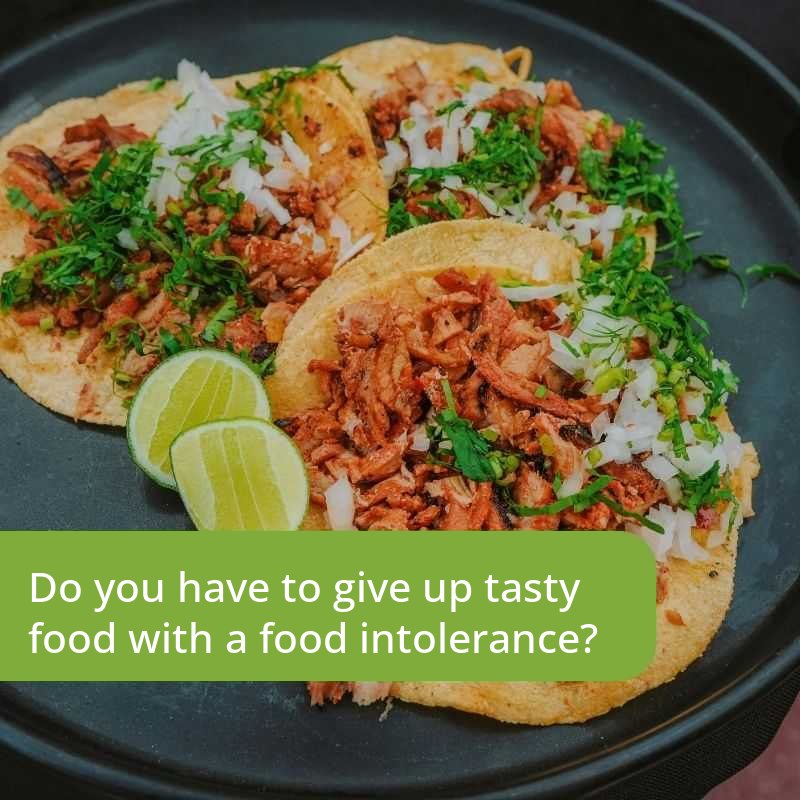
Do you have to give up tasty food with a food intolerance?
Free-from or diet cooking does not mean going without: with the right ingredients and tricks, you can make tasty, varied dishes at home too.
Free download (PDF)
Elimination starter kit
Leaving foods out and bringing them back, step by step, without your plate going empty.