When do seemingly healthy foods do harm?
If you eat healthy food, you feel good! – Is that really so? Not necessarily, if you have a food intolerance.
It is common knowledge that processed foods, food additives, refined carbohydrates and sugars, or even too much caffeine can be harmful. However, few people would think that healthy foods such as wholegrain cereals, dairy products, eggs or vegetables can also do harm. In people with food intolerance, foods believed to be healthy can cause digestive disorders.
If bloating or another digestive complaint keeps coming back, you can read more about the possible causes and the role of diet on our digestive problems page.
Digestion and health
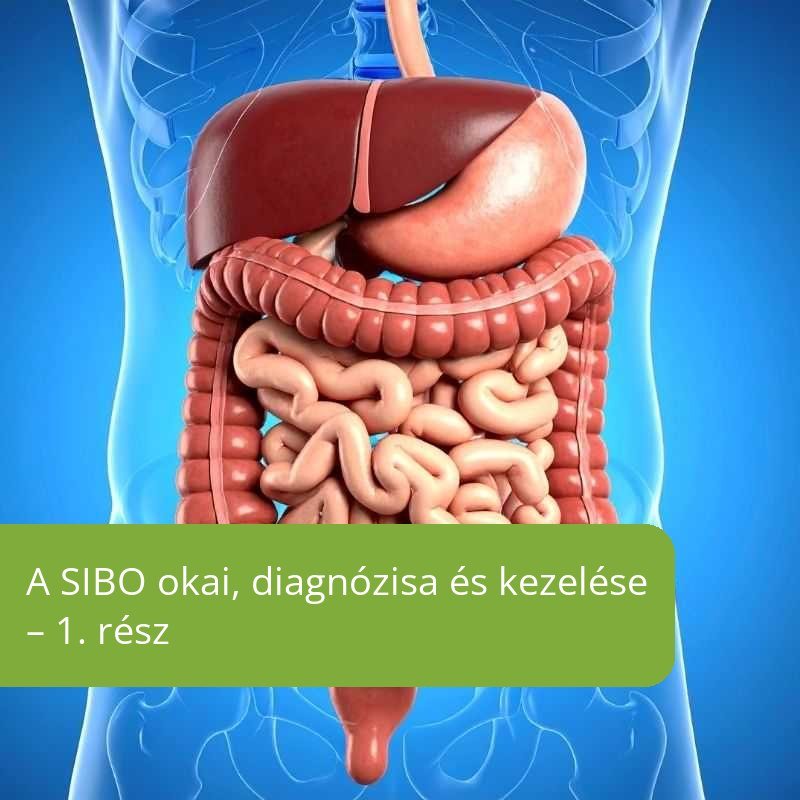
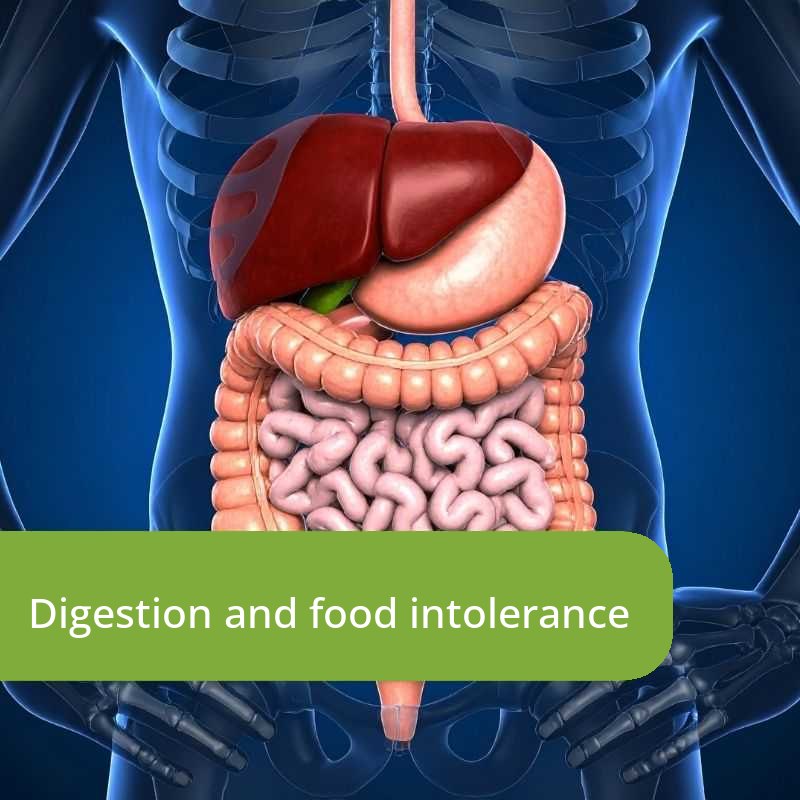
A well-functioning digestive system is important for health. Nutrients are absorbed primarily through the cells of the small intestine; moreover, the gut is a very important part of the immune system and an important line of defence against foodborne infections, food poisoning and food allergens. Food intolerance can develop if the digestive system does not work properly, which can be caused by many factors (stress, medication, antibodies, changes in the composition of the gut microbes). When the gut is inflamed, its permeability may change. Partially digested food proteins that pass through the intestinal wall may then provoke an immune response, and IgG-type antibodies may be produced against them. When IgG antibody–food antigen complexes enter the bloodstream and are deposited in various tissues, they can trigger inflammatory processes.
Changes in intestinal permeability
Mainly fully digested carbohydrates, proteins and fats (broken down into their basic units) pass through the intestinal wall. The closing zone between cells (the “zonula occludens”, also known as the “tight junction”), which plays a fundamental role in nutrient absorption, normally only lets small (
Irritable bowel syndrome (IBS) Irritable bowel syndrome is the most common gastrointestinal condition. It is diagnosed in about 30% of patients who see a gastroenterologist and affects 7–10% of the population. Patients who see a specialist report various chronic abdominal complaints (bloating, diarrhoea, constipation, etc.), yet no organic abnormality can be found behind their problems.
In irritable bowel syndrome, alongside bloating and abdominal pain lasting at least 3 months, diarrhoea may dominate (IBS-D type), or constipation (IBS-C type), or periods of diarrhoea and constipation may alternate (IBS-M type). In addition, non-gastrointestinal complaints may also occur (e.g. frequent urge to urinate, muscle pain, etc.).
The diagnosis is made by gastroenterologists, and it is very important to rule out other diseases with similar complaints. This condition is triggered by the combined effect of several factors (changes in gastrointestinal motility, visceral hypersensitivity, inflammatory processes, changes in the gut flora, food intolerance, impaired carbohydrate absorption, psychosocial factors).
In mild cases, lifestyle and dietary changes are recommended for treatment, and only in more severe forms is therapy supplemented with various medicines, depending on the type. Food intolerance testing can help to establish appropriate nutrition. Alongside increasing physical activity, a targeted, professionally supervised diet change may help reduce the symptoms. People with IBS often experiment with various diets because they assume that their symptoms are caused by eating a particular food.
The FOODTEST 200+ laboratory test helps map which foods may play a role in your complaints, as a starting point for a dietitian-supervised elimination diet.

Don't just get the school bag ready
Starting school is not only about new exercise books and a changed daily routine but also about reorganising family meals. The FOODTEST Children's pac...
IBS and food intolerance: can diet help?
Several factors may lie behind irritable bowel syndrome, and the role of diet may also come up. The article explains in plain terms how certain foods...
Do you have to give up tasty food with a food intolerance?
Free-from or diet cooking does not mean going without: with the right ingredients and tricks, you can make tasty, varied dishes at home too.
FOODTEST newsletter
Food intolerance tips and recipes by email
Practical diet tips and recipes, straight to your inbox.