In this article
Author: Dr Károly Krkos, laboratory medicine specialist
Dietary habits are the leading determinants of cardiometabolic diseases (heart disease, stroke, type 2 diabetes).1 In the United States, for example, a poor diet causes nearly half of all cardiometabolic deaths, which means 1,000 deaths every day.2 The resulting health and economic burden is staggering.3
In recent years nutrition science has been transformed by an explosive growth in evidence, revealing key compounds and processes that have shed light on how diet influences health and well-being. Among these, some of the most exciting discoveries concern flavonoids, the bioactive phytochemicals found in many plants, and dairy foods (milk, yoghurt, cheese).
The evidence uncovered on important constituents and biological mechanisms highlights the importance of research into the multifaceted processes of foods. Below we report on the current state of the science and on the innovative discoveries that help us understand how flavonoids and dairy foods affect cardiometabolic health, focusing on experimental studies, molecular mechanisms and the clinical evidence supporting them.
Flavonoids
Flavonoids are polyphenolic phytochemicals, which include the following compounds:
- flavonols (in onions, broccoli, tea and various fruits),
- flavones (in parsley, celery and chamomile tea),
- flavanones (in citrus fruits),
- flavanols (flavan-3-ols) such as catechins and
- procyanidins (in cocoa, apples, grapes, red wine and tea),
- anthocyanidins (in coloured berries and red wine) and isoflavones (in soya) (Table).4–7
Table: Flavonoid subclasses and their typical food sources*,˦
* The 6 main flavonoid subclasses consumed in the United States (anthocyanidins, flavanols, flavanones, flavones, flavonols and proanthocyanidins),4 and isoflavones, which are consumed regularly by populations with a high intake of soya and legumes.5
˦ The main food sources of procyanidins were included in the table based on the article by Gu et al,6 and those of the other flavonoid subclasses based on the article by Bondonno et al.7
Flavonoids
| Anthocyanidins | Flavanols (flavan-3-ols) | Flavanones | Flavones | Flavonols | Proanthocyanidins | Isoflavones | |||||||
|---|---|---|---|---|---|---|---|---|---|---|---|---|---|
| Main flavonoid | Food source | Main flavonoid | Food source | Main flavonoid | Food source | Main flavonoid | Food source | Main flavonoid | Food source | Main flavonoid | Food source | Main flavonoid | Food source |
| cyanidin, delphinidin, malvidin, pelargonidin, peonidin, petunidin | berries, red wine | catechins, epicatechins | apricots, cocoa, chocolate, black grapes, red wine, tea | eriodictyol, hesperidin, naringenin | citrus fruits, mint, tomatoes | apigenin, luteolin | celery, parsley | isorhamnetin, kaempferol, myricetin, quercetin | apples, blueberries, broccoli, kale, leeks, onions, red wine, tea | theaflavins, thearubigins | apples, chocolate, grapes | daidzein, genistein, glycitein | soya |
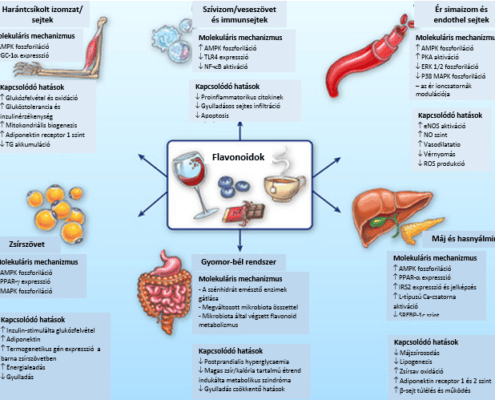
The structural diversity of flavonoids contributes to their ability to modulate various specific molecular pathways. Differences in absorption, distribution and excretion after consumption further modify their bioavailability, their site of action and the formation of their bioactive metabolites.8 While some flavonoids are well absorbed and distributed to many organs, others are poorly absorbed – although these may also have systemic effects, as they interact with the microbiota.9 The cardiometabolic effects of isoflavones and catechins in particular have been studied (and are covered by the present review).10–14 As described below, convincing experimental data support the effects of flavonoids on numerous physiological processes that are associated with cardiometabolic diseases. (Figure 1)
Figure 1 The cardiometabolic benefits of flavonoids and their possible molecular mechanisms.
In vitro and animal studies support the biological activity of purified flavonoids and flavonoid-rich plant extracts, which they exert on numerous tissues. The molecular processes involved include:
modulation of gene expression and signalling pathways Increased phosphorylation and activation of AMPK (5′-monophosphate-activated protein kinase) appears to be a feature of many types of flavonoid. Modulation of other signalling pathways has also been observed, such as increased expression of PPAR-γ (peroxisome proliferator-activated receptor-γ) and activation of NF-κB (nuclear factor-κB) inhibition;
interaction with the gut microbiota Dietary flavonoids may alter the composition of gut microbes owing to their probiotic-like properties, and they stimulate the growth of certain bacteria (eg, Akkermansia muciniphila), resulting in beneficial metabolites (eg, phenolic acids) that have distinct properties and, on entering the circulation, become concentrated in tissues (unlike the parent compound), thereby enhancing the biological activity of the flavonoid;
direct flavonoid–protein interactions Growing evidence suggests that flavonoids can both stimulate and inhibit protein functions, such as ion channels in the blood vessels and liver and the carbohydrate-digesting enzymes of the gastrointestinal tract (α-amylase and α-glucosidase). These effects may partly contribute to the regulation of vascular tone and carbohydrate metabolism.
ERK1/2, extracellular signal-regulated kinase 1 and 2; GLUT4, glucose transporter type 4; IRS2, insulin receptor substrate-2; MAPK, mitogen-activated protein kinase; PGC-1α, peroxisome proliferator-activated receptor-γ coactivator-1α; PKA; protein kinase A; SREBP-1c, sterol regulatory element-binding protein-1c; TG, triglycerides; TLR4, toll-like receptor 4. (Illustration: Ben Smith.)
Microbial flavonoid metabolism
The colonic microbiota can enzymatically convert flavonoids into small phenolic acids and aromatic metabolites.15,16 Feeding studies suggest that these small metabolites originating from metabolic conversion are fully absorbed from the colon, and that their half-life is longer and their systemic concentration higher than those of the parent molecule.17–19 These observations have drawn attention to the metabolites produced by microbes, and to whether they are responsible for the cardiometabolic effects of dietary flavonoids. Preliminary in vitro studies provide consistent evidence for this. At physiologically relevant doses, many microbiome-derived phenolic metabolites inhibit the production of proinflammatory cytokines and vascular adhesion molecules, compared with the corresponding effect of the parent flavonoid.20–22 Several microbe-derived flavonoid metabolites also protect against pancreatic β-cell dysfunction and death.23
Dietary flavonoids may also alter the composition of gut microbes, as they have probiotic-like properties and can stimulate the growth of certain bacteria.24,25 In animal models of obesity, feeding the animals flavonoids changed the structure of the microbial community, including an increase in the abundance of Akkermansia muciniphila,26–28 and this was associated with marked metabolic benefit.29,30 Flavonoids may also influence the capacity of the gut microbiota to produce short-chain fatty acids (SCFA – 2–6 carbon atoms).31 SCFA, mainly acetic acid (2:0), propionic acid (3:0) and butyric acid (4:0), are produced by colonic bacteria, mainly through the fermentation of non-digestible or poorly digestible carbohydrates (dietary fibre).32 Besides being an energy source, microbially produced SCFA also act as signalling molecules and may influence host energy metabolism, glucose–insulin homeostasis, the production of endocrine hormones (eg, GLP-1 – glucagon-like peptide-1) and inflammatory processes. In some mouse and rat experiments, dietary SCFA protected against weight gain, improved glucose tolerance and increased insulin sensitivity.33–36 However, conflicting results have also been reported: treating mice kept on a high-fat/high-calorie diet with acetate orally or intravenously reduced food intake and weight gain,36,37 whereas high-fat/high-calorie intake by intragastric infusion in rats had the opposite effect.38 The reason for these differences has not been clarified, which has highlighted the need for further mechanistic and human studies. Experimental evidence suggests that SCFA exert their physiological effects mainly through GPRs (G-protein–coupled receptors) found on many cells and tissues (colon, adipose tissue, central nervous system).39 Some SCFA may also act through other pathways: eg, in rats the positive metabolic effect of dietary propionate is mediated by GPR activation, whereas that of butyrate is not.34 GPR signalling40 or other mechanisms, such as epigenetic modification,41 may explain the blood pressure-lowering and anti-inflammatory effects of SCFA in some cellular and animal studies.42,43 The extent to which the variability of SCFA produced in the gut depends on flavonoids remains unclear, and the clinical relevance of microbiota-produced SCFA in humans also needs to be explained.44 Nevertheless, the comprehensive evidence that has emerged demonstrates bidirectional interactions between flavonoid intake and microbiota composition and function that alter physiological pathways related to cardiometabolic health.
Glucose–insulin homeostasis
To date, a large number of animal studies have tested the effect of purified flavonoid compounds or flavonoid-rich plant extracts on insulin–glucose homeostasis, and many of them point to a beneficial role of flavonoids.
Non-standard abbreviations and acronyms
| AMPK | 5′-monophosphate-activated protein kinase |
| BP | blood pressure |
| CHD | coronary heart disease |
| CVD | cardiovascular disease |
| GLP-1 | glucagon-like peptide 1 |
| GPR | G-protein–coupled receptors |
| MCSFA | medium-chain saturated fatty acids |
| MFGM | milk fat globule membranes |
| MGP | matrix Gla protein |
| MK | menaquinone |
| mTOR | mammalian target of rapamycin |
| NF-κB | nuclear factor-κB |
| OCSFA | odd-chain saturated fatty acids |
Flavonoids may affect glucose metabolism in the small intestine, muscle, adipose tissue, liver and pancreas through several molecular mechanisms. In vitro studies suggest that many flavonoids inhibit enzymes that play a key role in carbohydrate digestion and absorption, such as α-amylase, α-glucosidase and the sodium-dependent glucose transporter, thereby contributing to a smaller rise in blood glucose after meals.45 Flavonoids may improve glucose–insulin homeostasis through numerous signalling pathways. According to cell culture and animal studies, 5′-adenosine monophosphate-activated protein kinase (AMPK) and PPAR-γ (peroxisome proliferator-activated receptor-γ) are the two key pathways through which some flavonoids increase muscle glucose uptake and improve adipocyte function.46–50 In animal models, flavonoid treatment reduces fat accumulation in the liver and improves hepatic insulin sensitivity, which is associated with reduced de novo lipogenesis and increased fatty acid β-oxidation.51–54 Finally, cellular and animal studies suggest that many types of flavonoid protect pancreatic β-cells against the toxic and inflammatory effects of glucose and enhance insulin secretion.55–57
AMPK activation mediates the effect of flavonoids on insulin secretion, but certain flavonoids are also involved in other mechanisms – the modification of intracellular calcium through the activation of membrane ion channels.58,59
NO bioavailability, redox status and vasoregulation
In animal experiments, administration of flavonoids induces vasorelaxation and a reduction in blood pressure.60 The key pathway through which flavonoids regulate vascular health is the alteration of NO metabolism, both directly and indirectly.7 Many flavonoids can directly increase the expression and activity of endothelial NO synthase (the main source of NO in the vascular system), and thus NO.61–63 The increase in endothelial NO synthase is achieved through the activation of AMPK.64 Flavonoids can indirectly increase NO bioavailability by reducing the production of the reactive oxygen species that break down NO or by enhancing the removal of these compounds. Treatment with different flavonoid subclasses increases the activity of endogenous antioxidant enzymes (superoxide dismutase, catalase), reduces NADPH oxidase-catalysed superoxide radical formation and reduces protein and lipid biomarkers of oxidative stress.65–67 In addition, they regulate vascular function not only through nitric oxide but also act on other, NO-independent processes; for example, they can directly stimulate or inhibit vascular calcium ion channels.68
Weight maintenance
In many animal models of obesity, administration of flavonoids prevented diet-induced weight gain. In these studies flavonoids did not affect energy intake,69–72 but contributed to weight regulation by increasing energy expenditure. For example, luteolin (a flavonoid abundant in peppers, apple peel and carrots) upregulates the AMPK and PGC-1α (PPAR-γ coactivator 1α) signalling cascade, which increases the expression of thermogenic genes in brown and subcutaneous adipose tissue, thereby increasing energy expenditure in C57BL/6 mice kept on a high- or low-fat diet.72 Other flavonoids have also been shown to induce brown adipose tissue-specific genes and proteins in adipocyte culture.73 Animal feeding studies have observed further mechanisms through which flavonoids can increase energy expenditure, such as through stimulation of the sympathetic nervous system74 and by enhancing skeletal muscle mitochondrial biogenesis and function.71,75 Several types of flavonoid have caused reduced lipogenesis and increased fatty acid β-oxidation in adipocyte cultures and in mice.76–78
Anti-inflammatory effects
In animal experiments using various inflammatory stimuli (ischaemia–reperfusion, diabetes mellitus, drug effects, high-fat diet), some flavonoids have been shown to have anti-inflammatory effects in adipose and cardiac muscle tissue.79–85 In these models, oral administration of flavonoids reduced inflammatory cell infiltration, lowered proinflammatory cytokine levels and tissue fibrosis, and improved cell survival and function. The central pathway involved in the anti-inflammatory effect of many flavonoids was the inhibition of NF-κB (nuclear factor-κB) signalling.82–84 However, other mechanisms have also been observed for certain flavonoids; for example, hexameric procyanidins (found in high concentrations in cocoa, tea and apples) inhibit the binding of tumour necrosis factor-α to its receptor, and thus inflammatory activation, in cell culture.86
Clinical effects
The number of laboratory studies and randomised trials supporting the beneficial cardiometabolic effect of flavonoid-rich diets (cocoa, tea, berries) is growing steadily. Consumption of flavonoid-rich cocoa products has a small but measurable benefit on blood pressure, endothelial function, insulin resistance and blood lipid levels.87–89 According to a systematic review and meta-analysis of 42 studies,88 chocolate, cocoa and flavan-3-ols significantly reduce mean arterial pressure (−1.64 mm Hg; 95% confidence interval [CI], −3.27 to −0.01 mm Hg), improve flow-mediated dilatation (1.34%; 95% CI, 1%–1.68%), reduce HOMA-IR (homeostatic model assessment for insulin resistance; −0.67; 95% CI, −0.98 to −0.36), and slightly improve LDL-C (low-density lipoprotein cholesterol) and HDL-C (high-density lipoprotein cholesterol) levels (−0.07 and +0.03 mmol/L, respectively). The blood pressure-lowering effect can be observed with as little as 6.3 g of dark chocolate a day (about ≈30 kcal, ie, ≈1.5% extra daily energy intake).90 This benefit appears to be related to improved endothelial NO production,90 a process of fundamental importance for achieving vascular and metabolic health, and thus represents a further benefit beyond the blood pressure-lowering effect. A growing body of data suggests that green or black tea lowers blood pressure in people with borderline or high blood pressure, as reported by a meta-analysis of 10 studies, according to which systolic pressure fell by 2.36 mm Hg and diastolic pressure by 1.77 mm Hg, although these studies could not be fully evaluated owing to insufficient reporting.91 A systematic review and meta-analysis of 22 randomised controlled trials of berry consumption showed a moderate improvement in systolic blood pressure (−2.72 mm Hg; 95% CI, −5.32 to −0.12), a slight improvement in glycaemic control (HbA1C [haemoglobin A1C], −0.20%), and reductions in BMI (body mass index) (−0.36 kg/m2), LDL-C (−0.21 mmol/L) and inflammatory biomarkers (tumour necrosis factor-α, −1 pg/mL).92 However, most of the randomised controlled trials mentioned here were small and of short duration (<6 months). Observational studies have also found that dietary flavonoids and flavonoid-rich diets reduce the risk of cardiometabolic events.93–99 For example, according to a study following >90 000 middle-aged nurses for 18 years, individuals in the top quintile of estimated anthocyanin intake had a 32% (95% CI, 4%–51%; P=0.03) lower incidence of myocardial infarction than those in the bottom quintile; for flavonoids of other subclasses (flavanones, flavan-3-ols, flavonols, flavones and flavonoid polymers) and for total flavonoid intake, no association with the incidence of myocardial infarction was found.94 Subclass-specific associations have been observed in other population-based cohort studies: between flavanones and ischaemic stroke,95,96 and between flavonols and type 2 diabetes mellitus.93 These results highlight the different effects of different flavonoids on specific cardiometabolic outcomes. Estimating the amount of flavonoids consumed in the diet carries considerable error, partly because of self-reporting and partly because of the inaccuracy of food composition tables.100 Measuring flavonoid biomarkers in urine and blood would be a good complement, but so far this has been used in only a few long-term studies. These studies mainly addressed isoflavones and type 2 diabetes and showed a moderate inverse association with the consumption of daidzein and genistein found in soya-based foods.101 Data on the associations between other flavonoid biomarkers and cardiometabolic diseases are scarce and conflicting.102–105 Further large, population-level studies that also take account of differing demographic characteristics and dietary habits would be needed.
Evidence has also emerged for the beneficial cardiometabolic effect of nuts and extra virgin olive oil, which are rich in other phenolic compounds (eg, phenolic acids and lignans). The PREDIMED study (PREvención con DIeta MEDiterránea) examined participants at high risk of cardiovascular disease (CVD), randomising the patients to a Mediterranean diet supplemented daily with extra virgin olive oil or with mixed nuts (walnuts, hazelnuts, almonds). Compared with those on the control diet (who were advised to reduce their fat intake), the CVD risk profile (LDL-C, blood pressure, inflammatory biomarkers) improved in the intervention diet groups106–108 and this meant an ≈30% lower risk of mortality, myocardial infarction or stroke.109 In those assigned to the intervention groups, central obesity was smaller and body weight decreased during the ≈5-year follow-up.110 A meta-analysis of prospective cohort studies also supported the cardiometabolic benefit of higher nut consumption: each 1 oz (28 g) per day reduced the risk of coronary heart disease (CHD) by ≈30% (n=11 studies; relative risk=0.71; 95% CI, 0.63–0.80) and the risk of diabetes mellitus by 39% (n=4 studies; relative risk=0.61; 95% CI, 0.43–0.88).111
In summary, a growing body of data supports the beneficial cardiometabolic effect of diets rich in flavonoids and other phenolic compounds. These data support the recommendation to increase the consumption of these components and encourage further mechanistic and prospective cohort studies and clinical trials to better characterise the effects of individual compounds and their dose–response relationships.
Dairy foods
Dairy foods provide ≈10% of calorie intake in the typical US diet.112 Although these foods are consumed in considerable amounts, few studies have examined the direct health effects of dairy consumption. Traditional dietary recommendations on dairy foods are based mainly on theoretical considerations and concern specific constituents (eg, eat such products three times a day to cover the calcium and vitamin D needed for healthy bones; choose low-fat products to reduce calorie intake and weight gain, and reduce saturated fat intake to prevent heart disease),113 rather than on findings from clinical and mechanistic studies of the effects of consuming milk, cheese, yoghurt, butter and other dairy foods. A growing body of evidence suggests that dairy foods have complex cardiometabolic effects, based on the interaction of food components and on other characteristics (probiotics, fermentation and homogenisation) (Figure 2). The role of vitamin D is not covered below, as it is addressed by an extensive literature.114,115
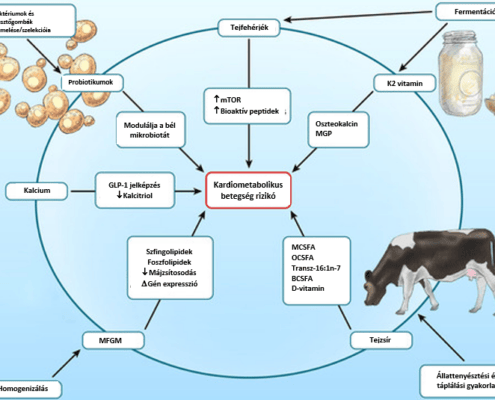
Figure 2: Important properties of dairy foods and some of the molecular processes that may be linked to cardiometabolic disease risk. A characteristic of dairy foods is that they consist of a complex mixture of nutrients, and their effect on the cardiovascular system and metabolic processes also depends on how they are processed. Their main constituents include their distinctive fatty acid composition, calcium and probiotics. The main production processes include animal husbandry and feeding practices, fermentation, the selection and cultivation of suitable bacterial and yeast strains (to start fermentation) and homogenisation. These modifications may alter the composition of the food (eg, fermentation converts vitamin K1 into vitamin K2) and the lipid structure of the product (eg, homogenisation damages the MFGM), and these changes may influence molecular and signalling processes.
BCSFA: branched-chain saturated fatty acids; GLP-1: glucagon-like peptide 1; MCSFA: medium-chain saturated fatty acids; MFGM: milk fat globule membranes; MGP: matrix Gla protein; mTOR: mammalian target of rapamycin; OCSFA: odd-chain saturated fatty acids. (Illustration: Ben Smith.)
Calcium
Experiments using cell cultures and animals have analysed the relationship between calcium, alone or together with other dairy components, and cardiometabolic risk. In several animal models of obesity, calcium supplementation reduced weight gain, alleviated hepatic steatosis and moderated hyperglycaemia and insulin resistance.116–119 It exerted these effects by correcting leptin and GLP-1 signalling,118,120 reduced calcitriol (1,25-dihydroxyvitamin D3) levels, inhibited lipogenesis in the liver and adipose tissue121,122 and altered the composition of the gut microbiota.123,124 In other animal models, however, no such beneficial effect could be demonstrated.125–127 In a mouse model of diet-induced obesity, for example, calcium administration caused weight gain compared with the control group.127 According to a meta-analysis of 20 studies evaluating data from a total of 2711 participants, calcium supplementation did not significantly reduce body weight (−0.17 kg, 95% CI, −0.70 to 0.37) or body fat (−0.19 kg; 95% CI, −0.51 to 0.13).128 By comparison, dairy foods increase fat-free mass and reduce body fat on an energy-restricted weight-loss diet compared with the control group (see the Clinical effects section below), suggesting that components other than calcium may also play a role.
In short-term human studies, calcium supplementation moderately reduced blood pressure; the mean difference (and its 95% confidence interval) was as follows: −1.43 mm Hg (−2.15 to −0.72 mm Hg; I2=0%) for systolic blood pressure and −0.98 mm Hg (−1.46 to −0.50 mm Hg; I2=49%) for diastolic blood pressure.129 In some hypertensive animal models, several factors contributed to the fall in blood pressure following calcium supplementation: both endothelium-dependent and endothelium-independent arterial relaxation, increased hyperpolarisation of vascular smooth muscle, increased sodium excretion and down-regulation of renal angiotensin-converting enzyme.130–133 Whether calcium intake acts similarly on these processes in humans, however, has not been clarified. A meta-analysis of long-term randomised trials found that calcium supplementation results in a trend towards a moderately increased risk of myocardial infarction.134,135 According to the study by Mao et al,135 the odds ratio (95% CI) for those receiving calcium supplementation compared with the control group was 1.28 (0.97–1.68; P=0.08; I2=0%). In Mendelian randomisation studies, the risk of myocardial infarction and coronary heart disease was also found to be increased in genetic variants associated with higher calcium levels.136 It has been hypothesised that the increased risk is associated with postprandial hypercalcaemia caused by supplementation (compared with intake from food), which may contribute to vascular calcification. Overall, calcium does not convincingly contribute to the beneficial cardiometabolic effect of dairy foods, although its effects also depend on whether direct supplementation or an appropriate food source is used for intake.
Dairy proteins
Cow's milk contains protein at a concentration of ≈32–34 g/L, mainly casein (this is what precipitates when curdled milk is made; it accounts for ≈80% of milk proteins) and whey protein (≈20%).137 Both casein and whey protein consist of numerous smaller protein fractions that differ in amino acid composition.137 In some animal experiments, diets rich in casein, whey protein or whole milk protein improved glucose–insulin and cardiometabolic risk factors.138–140 This beneficial effect may be related to the distinctive amino acid composition of these proteins. Whey proteins, for example, are rich in branched-chain amino acids (leucine, isoleucine, valine), which activate important signalling pathways such as mTOR (mammalian target of rapamycin) and silent information regulator transcript 1,141,142 causing increased thermogenesis and insulin secretion.143 However, branched-chain amino acid administration in animal experiments has led to variable results with respect to metabolic outcomes.144–147 Relatively few controlled studies have been carried out in humans with intact milk protein isolates.148 In several studies focusing on casein-derived lactotripeptides, a significant reduction in systolic (mean difference: −2.95 mm Hg; 95% CI, −4.17 to −1.73 mm Hg) and diastolic (mean difference: −1.51 mm Hg; 95% CI, −2.21 to −0.8 mm Hg) blood pressure was found when the results of the studies were pooled, although these should be interpreted with caution owing to publication bias and considerable heterogeneity.149 Other short-term (≤12 weeks) studies evaluated the effect of milk proteins on glucose–insulin homeostasis: overall they showed a favourable effect, but few long-term studies have been carried out.137
Bioactive peptides derived from milk proteins may contribute to these effects. They are formed during fermentation (eg, in cheese, kefir, curdled milk) by the proteolytic enzymes of bacteria, or in the gastrointestinal tract during digestion (including microbiota-related metabolism).150 Many casein- and whey-derived peptides (3–4 amino acids long) have been shown to inhibit angiotensin-converting enzyme in vitro.151 Other dairy-derived peptides have been shown to moderately inhibit dipeptidyl peptidase-4 activity,152,153 which may contribute to a longer lifespan of incretin hormones (gastric inhibitory peptide and glucagon-like peptide-1) and thereby to improved glycaemic control.143 On the other hand, the relevance of such dairy-derived peptides is questionable because of their low bioavailability; their concentration in the circulation is in the pmol/L – nmol/L range.154
Overall, experimental and short-term human metabolic studies support the beneficial cardiometabolic effect of dairy proteins, but the efficacy of casein/whey protein, the effects of individual amino acids/peptide metabolites and of the molecular mechanisms related to them – important processes – remain understudied.
Dairy fats
Dietary guidelines generally recommend low-fat/fat-free dairy foods, on the grounds that the saturated fatty acids myristic acid (14:0) and palmitic acid (16:0) raise LDL levels, while the favourable effects of these fatty acids on VLDL, remnant chylomicrons and HDL cholesterol are underestimated,155 and less attention is paid to the possible health effects of the many other fatty acids that make up the greater part of milk fat (eg, 14:0 and 16:0 account for ≤40% of total fatty acids in cow's, sheep's and goat's milk).156 These include medium-chain saturated fatty acids (MCSFA, 6:0, 8:0, 10:0, 12:0), odd-chain saturated fatty acids (OCSFA, 15:0, 17:0), monounsaturated and polyunsaturated fatty acids (MUFA, PUFA, 18:1n-9, 18:2n-6 and 18:3n-3), branched-chain saturated fatty acids (BCSFA) and natural (ruminant) trans fatty acids found in trace amounts (eg, trans-palmitoleic acid – trans-16:1n-7).156–158 Dairy fats are also sources of phospholipids (milk fat globule membrane – MFGM) and fat-soluble vitamins (D, K and K2) (which are formed during fermentation, see below).
MCSFA, which make up ≈6%–17% of milk fatty acids, have different molecular and metabolic activity from longer-chain fatty acids. For example, whereas longer-chain saturated (16:0 and 18:0) fats activate NF-κB and reduce insulin sensitivity in skeletal muscle cell culture, MCSFA (8:0, 10:0, 12:0) do not.159 MCSFA also increase mitochondrial oxidative capacity and reduce lipid incorporation into cultured muscle cells compared with the 16:0 fatty acid.160 These effects help explain the reduction in fat accumulation and insulin resistance in MCSFA-fed animals compared with controls fed longer-chain fatty acids.160,161 In contrast, when animals kept on a low-fat diet are compared with animals fed large amounts of MCSFA, the latter showed hepatic de novo lipogenesis and triglyceride accumulation, and hepatic insulin sensitivity decreased.161,162 The induction of hepatic lipogenesis can be explained by the effect of MCSFA in causing liver X receptor-α activation and signalling.163 It should be noted that many earlier analyses of MCSFA effects used obese animal models and examined fats derived from fruit (coconut), so the metabolic effects of dairy-derived MCSFA under eucaloric conditions have not been elucidated.
The biological effects of trans-16:1n-7, branched-chain saturated fats and odd-chain saturated fats have received little attention. It has been hypothesised164 that the effect of dietary trans-16:1n-7 is similar to that of dietary cis-16:1n-7, which, when consumed in food or produced outside the liver, appears to inhibit hepatic de novo lipogenesis through negative feedback, improve insulin sensitivity and reduce inflammation,165–169 in line with a human study demonstrating an improvement in risk factors.170 In INS-1 β-cell culture, trans-16:1n-7 treatment activated PPAR-γ and the transcription factor PDX-1 (pancreatic duodenal homeobox-1).171 The relevance of these effects to glucose–insulin homeostasis and to other molecular manifestations of trans-16:1n-7 remains unknown for the time being. Branched-chain saturated fatty acids have also barely been evaluated. 15-Methylhexadecanoic acid (a BCSFA) had a similar effect on PPAR-γ and PDX-1 to that of trans-16:1n-7 in INS-1 β-cell culture at baseline, and in addition showed resistance to the suppression of PDX-1 caused by high glucose.171 Intake of branched-chain saturated fatty acids, mainly from dairy foods and beef, is not negligible in the United States (the estimated daily amount is ≈500 mg),158 compared with an intake of long-chain n-3 polyunsaturated fatty acids from seafood of between 125 and 160 mg/d.172 These data support the importance of the amount of BCSFA intake, and further analysis of their biological effects is much needed. Odd-chain fatty acids are incorporated into many tissues (blood, liver, adipose tissue).173,174 They serve as an energy source through β-oxidation and also fulfil other metabolic functions, such as replenishing the citric acid cycle and improving mitochondrial function,174 but these assumptions should be examined in rigorously controlled experiments.
Milk fat globule membrane
In nature, milk fat is bound by the milk fat globule membrane (MFGM), a trilayer membrane rich in polar lipids (phospholipids, sphingolipids) and proteins that encloses the globular triglyceride core.175 The polar lipids and proteins found in the MFGM have bioactive effects. In mice, administration of sphingolipids and cow's milk phospholipids lowered serum cholesterol levels and lipid accumulation in the liver, contributed to reduced intestinal cholesterol absorption and altered hepatic gene expression.176–178 Possible anti-inflammatory effects have also been reported – in mice kept on an MFGM-rich diet, the inflammatory response to a systemic lipopolysaccharide challenge was attenuated, presumably because of reduced intestinal permeability.179 Dairy processing may change the amount and structure of the MFGM – for example, homogenisation may damage the MFGM.180 A recent study of 57 overweight adults examined the effect of the MFGM on blood lipid levels and gene expression. Whipped cream (intact MFGM) or butter (little MFGM owing to homogenisation) provided ≈15% of calorie intake; otherwise milk fat and saturated fatty acid content were the same. After eight weeks, LDL cholesterol and the ApoB/AI ratio increased, whereas the lipid profile remained unchanged among those consuming whipped cream.180 In the group receiving whipped cream, the expression of 19 genes, including USP45, MDM2, SNRPN and CAPZA1, decreased significantly in peripheral blood mononuclear cells, supporting the effect of the MFGM on gene expression. A similar LDL-C-lowering effect was seen in cross-over studies comparing the effects of cheese and butter or non-dairy saturated fats (see below, in the Clinical effects section).181,182 These results suggest that processing methods that protect or destroy the MFGM may be important in determining the cardiometabolic effect of a dairy food.
Probiotics
A growing body of evidence supports the health effects of probiotics in foods. Live microorganisms may change the characteristics of a food and the host's response after consumption.183 Both yoghurt and kefir often contain live bacteria (kefir may also contain yeasts). In many animal experiments modelling obesity and diabetes, dairy foods containing probiotics had beneficial cardiometabolic effects compared with preparations without probiotics. For example, in C57BL/6 mice fed a high-calorie/high-fat diet, feeding the animals kefir reduced weight gain, hepatic steatosis and LDL-C and IL-6 levels compared with animals fed non-fermented milk.184 These changes were accompanied by altered expression in liver and adipose tissue of genes related to fatty acid oxidation (AOX, PPAR-α) and inflammation (MCP-1). Other studies suggest that the effect is probiotic-specific: eg, comparing non-fermented milk with dairy products containing different Lactobacillus rhamnosus strains, glucose tolerance and fasting blood glucose improved to different degrees in a diabetic rat model.185 The molecular mechanism of the health effects of probiotics is linked to changes in the composition and function of the host's gut microbiota.186 For example, the composition of the microbiota in animals was altered with probiotic dairy foods such as yoghurt or kefir.184,187,188 These compositional changes may strengthen the integrity of the intestinal absorptive epithelium and reduce low-grade inflammation due to endotoxaemia. The entry of lipopolysaccharides derived from the gut microbiota into the circulation is thought to contribute to obesity-related diseases.189 Probiotics influence the function of the host microbiota, for example by altering its production of functional mediators. One example is SCFA, which affect host metabolism both locally and systemically.190,191 In summary, animal studies and human trials support a protective role of probiotics and probiotic–microbiota interactions against weight gain, obesity and related metabolic conditions (such as gestational diabetes).192–203
Cheese, fermentation and vitamin K
Vitamin K has two main forms: vitamin K1 (phylloquinone), abundant in green leafy vegetables and certain vegetable oils, and vitamin K2 (menaquinone, MKn), whose forms differ in the number of isoprene groups. The bacterial species most commonly used in industrial milk fermentation and cheese-making produce vitamin K2, and dairy foods are therefore the main sources of vitamin K2 (mainly MK-7, -8 and -9) in Europe and North America.204,205
All forms of vitamin K are cofactors for the γ-carboxylation of the glutamic acid residues of proteins, which activates vitamin K-dependent proteins. Although clotting factors VII, IX and X are well-known vitamin K-dependent proteins, it is becoming increasingly clear that vitamin K-dependent proteins affect cardiometabolic health.204 These proteins include osteocalcin (produced in bone cells) and matrix Gla protein (MGP, produced mainly in vascular smooth muscle cells and cartilage). Animal experiments support the role of osteocalcin in improving β-cell proliferation, insulin expression and the up-regulation of adiponectin in adipocytes.206 In several metabolic studies, vitamin K supplementation increased the amount of carboxylated osteocalcin and reduced insulin resistance.207,208 However, not all human studies ended with this result,209 and an opposite association between the carboxylated/decarboxylated form of osteocalcin and insulin sensitivity has also been observed depending on whether the study was carried out in mice or humans, suggesting certain species differences.210 The amount of vitamin K and the proportion of γ-carboxylated osteocalcin needed to improve glucose–insulin homeostasis remain unclear.211 Similarly, although it has been hypothesised that vitamin K may reduce CVD risk by increasing MGP, which inhibits vascular calcification, this has not yet been convincingly demonstrated. In several rat and mouse studies vitamin K reduced vascular calcification, but whether this was related to the MGP-carboxylating effect of vitamin K remained unclear.212–214
Human metabolic studies have shown that certain types of vitamin K2 have a longer lifespan than vitamin K1 and reach higher levels in the circulation. For example, whereas the half-life of vitamin K1 is 1–2 hours, that of MK-7 and MK-9 is 2–3 days.215,216 These differences in bioavailability may have functional consequences – according to a study in healthy adults, supplementation with MK-7 resulted in more complete carboxylation of osteocalcin.216 Based on these results, it can be concluded that K2 compounds (which make up ≈15%–20% of total dietary vitamin K in the Western diet) and vitamin K1, which accounts for the remainder, contribute disproportionately to vitamin K activity in vivo.205 More recently, newer cohort studies suggest that K2, and not K1, is associated with reduced CHD.217–219 For example, according to a prospective cohort study of 16 057 women aged 49–70, the hazard ratio for CHD per 10 mg/day of vitamin K2 intake (corresponding to ≈1 SD) was 0.91 (95% CI, 0.81–1.00; P=0.04), whereas K1 intake did not change CHD risk.219 Taking these results and the clinical outcome studies on fermented dairy foods and cheese into account, fermentation and vitamin K2 play an important role in cardiometabolic health, and this is a promising area for further scientific research.
Clinical effects
In short-term randomised trials, consumption of milk and of all dairy foods increased fat-free mass and reduced body fat, especially on an energy-restricted weight-loss diet.128,220,221 The long-term effect is less clear and may depend on the type of dairy food. Notably, several studies suggest that weight gain is more pronounced in children who drink more low-fat milk than in those who drink larger amounts of whole milk.222–226 Only a few long-term trials have been carried out in children, and they were based on multicomponent dietary changes, which from the outset ruled out evaluating the effect of the dairy foods themselves.227,228
In long-term studies in adults on the relationship between dairy intake and weight, CVD and diabetes mellitus, the endpoints varied more by food type (cheese, yoghurt, milk and butter) than by fat content.229–235 Neither low-fat nor whole milk intake was appreciably associated with weight gain,196,202,203 which may perhaps be explained by mild calorie compensation: when people ate more low-fat dairy foods, they increased their average carbohydrate intake, and when they ate more full-fat dairy foods, they reduced their average carbohydrate intake.202 The effect of cheese consumption also appears to be neutral with respect to long-term weight gain, although this could be modified by carbohydrate intake: weight gain was seen when cheese consumption was accompanied by refined carbohydrate intake, and relative weight loss was observed when cheese was substituted for refined carbohydrates.202 Yoghurt is consistently protective against long-term weight gain,196,202,203 even when sweetened with sugar (although in this case only half of the beneficial effect is seen compared with unsweetened yoghurt202).
Although saturated fat intake from dairy foods would be expected to raise LDL-C,236 current randomised controlled trials show heterogeneity in such effects, depending on the type of dairy food consumed. For example, according to a cross-over study involving 49 men and women, with the same amounts of fat and saturated fat consumed, total, LDL and HDL cholesterol concentrations decreased when the fat came from cheese compared with when it was consumed from butter.181 Similarly, the effect on total and LDL cholesterol levels was attenuated in a randomised controlled cross-over trial when the saturated fat came from milk or cheese compared with when it came from non-dairy sources,182 and a similar difference was seen when the saturated fat came from whipped cream compared with when it was consumed from butter.180 Such a heterogeneous response may be explained by other components of dairy foods (eg, calcium) or by other processing methods (eg, the presence or absence of the MFGM, see above).237 A counterbalancing, and likewise beneficial, effect of saturated fats can be observed on triglyceride-rich VLDL,236 which may explain why meta-analyses of long-term cohort studies show no significant association between total dairy intake and CHD events, and in fact a reduced risk of stroke, with no apparent difference between the consumption of reduced-fat and regular-fat products.1
The relationship between dairy intake and type 2 diabetes also varies by type of food: consumption of yoghurt (but not milk) is consistently associated with a lower risk, and consumption of cheese, which is higher in calories, fat and saturated fat, is also associated with a lower risk, although not in all studies.232,234,235,238,239 These differences are partly explained by the different associations seen for the consumption of whole milk (generally not associated with diabetes risk) and of fermented dairy foods (associated with a reduced risk),234,238,240 owing to the possible beneficial metabolic effects of fermented dairy foods (such as cheese) (see above).
Interestingly, dairy fat itself may promote cardiometabolic health. In cohort studies using objective biomarkers, higher levels of dairy fatty acids consistently reduced the incidence of diabetes mellitus241–245 and possibly reduced CHD risk,246–248 whereas the results for stroke are mixed.249 As described above, the mechanistic explanation for these observations remains unclear, owing to the effects of fermented foods (mainly cheeses, which are the main sources of dairy fats) and the presence of factors such as the MFGM, the specific fatty acid composition (eg, branched-chain fatty acids, MCSFA and specific ruminant trans fats), other lipid-soluble factors, or unknown endogenous (non-dietary) determinants of these blood biomarkers.250
Future directions and conclusions
Modern nutrition science highlights the diversity of constituents and the mechanisms by which foods influence health. Many in vitro and animal studies support the pleiotropic effects of flavonoids on several risk factors and processes related to cardiometabolic disease. However, the molecular mechanisms need further study and the signalling pathways (AMPK, PPAR-γ, PGC-1α and NF-κB) need to be identified. Existing experimental studies show methodological shortcomings, publication bias is possible, and the applicability of the results to humans has not been clarified. In addition, more than 5000 naturally occurring flavonoids have been identified,251 and the molecular processes observed for some flavonoids are unlikely to apply generally to all the others. Current data from mechanistic studies focus on flavonoid aglycones, often used at supraphysiological concentrations (eg, 25–100 μmol/L, whereas concentrations of ≥10 µmol/L are unlikely to be reached in the circulation).21,252 Although results based on supraphysiological doses are aimed at the pharmacological use of flavonoids, they are therefore of limited use in assessing the effects of dietary flavonoids. Earlier experimental studies also generally do not account for the complexity of flavonoid metabolism and bioavailability. For example, most dietary flavonoids (with the exception of flavan-3-ols) occur in glycoside form, bound to one or more sugar groups,7 which generally has to be hydrolysed before absorption from the gut.8 After absorption, flavonoids undergo phase I and phase II metabolism and are converted into various glucuronidated, sulphated and methylated metabolites.64 Unabsorbed flavonoids are catabolised by colonic bacteria, mainly into a wide variety of phenolic acids. Compared with the parent molecule, many metabolites have a longer lifespan and reach higher concentrations in the circulation.22 It is the metabolites, rather than the flavonoid before metabolism, that are more likely to contribute to the cardiometabolic effects observed in animal experiments. Relatively few studies have evaluated the effects of flavonoid metabolites, largely limited by the lack of available synthetic standards.20,22 As the physiological effects of these compounds are promising, mechanistic, experimental and clinical studies will be needed in future that take account of the many types of flavonoid and of their bioavailability, metabolism and metabolites, so that we can better understand the most suitable forms and transformations that exert clinical benefit.
Similarly, dairy foods appear to exert their effects on cardiometabolic health according to their various constituents and processing methods. Potentially relevant constituents are specific amino acids, medium-chain and odd-chain saturated fatty acids, unsaturated fatty acids, branched-chain fatty acids, natural trans fats, probiotics, vitamin K1/K2 and calcium, and processing techniques such as fermentation and homogenisation also influence their effects. Processes mediated by mTOR, SIRT-1, ACE, PPAR, osteocalcin and MGP, effects on de novo hepatic lipogenesis, on fatty acid oxidation and inflammation in liver and adipose tissue, and the interaction with the gut microbiome (intestinal integrity and endotoxaemia) contribute to the changes observed.
For both flavonoids and dairy foods, the diversity of processes and responses is considerable. These new data show that our knowledge has expanded considerably, and also what we still need to learn about how different dietary factors influence health. Given that the effect on cardiometabolic and metabolic health is a major aspect of the importance of nutrition, the results so far support the need for further thorough analysis of the relevant constituents, biological processes and clinical effects of these foods.
References
- Mozaffarian D. Dietary and policy priorities for cardiovascular disease, diabetes, and obesity: a comprehensive review. Circulation. 2016; 133:187–225. doi: 10.1161/CIRCULATIONAHA.115.018585. LinkGoogle Scholar
- Micha R, Peñalvo JL, Cudhea F, Imamura F, Rehm CD, Mozaffarian D. Association between dietary factors and mortality from heart disease, stroke, and type 2 diabetes in the United States. JAMA. 2017; 317:912–924. doi: 10.1001/jama.2017.0947. CrossrefMedlineGoogle Scholar
- Bloom D, Cafiero E, Jané-Llopis E, Abrahams-Gessel S, Bloom L, Fathima S, Feigl A, Gaziano T, Mowafi M, Pandya A, Prettner K, Rosenberg L, Seligman B, Stein A, Weinstein C. The Global Economic Burden of Noncommunicable Diseases. Geneva, Switzerland: World Economic Forum; 2011. Google Scholar
- Cassidy A, O’Reilly ÉJ, Kay C, Sampson L, Franz M, Forman JP, Curhan G, Rimm EB. Habitual intake of flavonoid subclasses and incident hypertension in adults. Am J Clin Nutr. 2011; 93:338–347. doi: 10.3945/ajcn.110.006783. CrossrefMedlineGoogle Scholar
- Ding M, Pan A, Manson JE, Willett WC, Malik V, Rosner B, Giovannucci E, Hu FB, Sun Q. Consumption of soy foods and isoflavones and risk of type 2 diabetes: a pooled analysis of three US cohorts. Eur J Clin Nutr. 2016; 70:1381–1387. doi: 10.1038/ejcn.2016.117. CrossrefMedlineGoogle Scholar
- Gu L, Kelm MA, Hammerstone JF, Beecher G, Holden J, Haytowitz D, Gebhardt S, Prior RL. Concentrations of proanthocyanidins in common foods and estimations of normal consumption. J Nutr. 2004; 134:613–617. CrossrefMedlineGoogle Scholar
- Bondonno CP, Croft KD, Ward N, Considine MJ, Hodgson JM. Dietary flavonoids and nitrate: effects on nitric oxide and vascular function. Nutr Rev. 2015; 73:216–235. doi: 10.1093/nutrit/nuu014. CrossrefMedlineGoogle Scholar
- Cassidy A, Minihane AM. The role of metabolism (and the microbiome) in defining the clinical efficacy of dietary flavonoids. Am J Clin Nutr. 2017; 105:10–22. doi: 10.3945/ajcn.116.136051. CrossrefMedlineGoogle Scholar
- Goya L, Martín MÁ, Sarriá B, Ramos S, Mateos R, Bravo L. Effect of cocoa and its flavonoids on biomarkers of inflammation: studies of cell culture, animals and humans. Nutrients. 2016; 8:212. doi: 10.3390/nu8040212. CrossrefMedlineGoogle Scholar
- Legeay S, Rodier M, Fillon L, Faure S, Clere N. Epigallocatechin gallate: a review of its beneficial properties to prevent metabolic syndrome. Nutrients. 2015; 7:5443–5468. doi: 10.3390/nu7075230.CrossrefMedlineGoogle Scholar
- Mangels DR, Mohler ERCatechins as potential mediators of cardiovascular health. Arterioscler Thromb Vasc Biol. 2017; 37:757–763. doi: 10.1161/ATVBAHA.117.309048. LinkGoogle Scholar
- Ramdath DD, Padhi EM, Sarfaraz S, Renwick S, Duncan AM. Beyond the cholesterol-lowering effect of soy protein: a review of the effects of dietary soy and its constituents on risk factors for cardiovascular disease. Nutrients. 2017; 9:E324. doi: 10.3390/nu9040324. CrossrefMedlineGoogle Scholar
- Talaei M, Pan A. Role of phytoestrogens in prevention and management of type 2 diabetes. World J Diabetes. 2015; 6:271–283. doi: 10.4239/wjd.v6.i2.271. CrossrefMedlineGoogle Scholar
- Vitale DC, Piazza C, Melilli B, Drago F, Salomone S. Isoflavones: estrogenic activity, biological effect and bioavailability.Eur J Drug Metab Pharmacokinet. 2013; 38:15–25. doi: 10.1007/s13318-012-0112-y. CrossrefMedlineGoogle Scholar
- Williamson G, Clifford MN. Colonic metabolites of berry polyphenols: the missing link to biological activity? Br J Nutr. 2010; 104(suppl 3):S48–S66. doi: 10.1017/S0007114510003946. CrossrefMedlineGoogle Scholar
- van Duynhoven J, Vaughan EE, Jacobs DM, Kemperman RA, van Velzen EJ, Gross G, Roger LC, Possemiers S, Smilde AK, Dore J, Westerhuis JA, Van de Wiele T. Metabolic fate of polyphenols in the human superorganism. Proc Nat Acad Sci USA. 2011; 108(suppl 1):4531–4538. CrossrefMedlineGoogle Scholar
- Czank C, Cassidy A, Zhang Q, Morrison DJ, Preston T, Kroon PA, Botting NP, Kay CD. Human metabolism and elimination of the anthocyanin, cyanidin-3-glucoside: a (13)C-tracer study. Am J Clin Nutr. 2013; 97:995–1003. doi: 10.3945/ajcn.112.049247. CrossrefMedlineGoogle Scholar
- de Ferrars RM, Czank C, Zhang Q, Botting NP, Kroon PA, Cassidy A, Kay CD. The pharmacokinetics of anthocyanins and their metabolites in humans. Br J Pharmacol. 2014; 171:3268–3282. doi: 10.1111/bph.12676. CrossrefMedlineGoogle Scholar
- van Duynhoven J, van der Hooft JJ, van Dorsten FA, Peters S, Foltz M, Gomez-Roldan V, Vervoort J, de Vos RC, Jacobs DM. Rapid and sustained systemic circulation of conjugated gut microbial catabolites after single-dose black tea extract consumption. J Proteome Res. 2014; 13:2668–2678. doi: 10.1021/pr5001253. CrossrefMedlineGoogle Scholar
- Amin HP, Czank C, Raheem S, Zhang Q, Botting NP, Cassidy A, Kay CD. Anthocyanins and their physiologically relevant metabolites alter the expression of IL-6 and VCAM-1 in CD40L and oxidized LDL challenged vascular endothelial cells. Mol Nutr Food Res. 2015; 59:1095–1106. doi: 10.1002/mnfr.201400803. CrossrefMedlineGoogle Scholar
- di Gesso JL, Kerr JS, Zhang Q, Raheem S, Yalamanchili SK, O’Hagan D, Kay CD, O’Connell MA. Flavonoid metabolites reduce tumor necrosis factor-α secretion to a greater extent than their precursor compounds in human THP-1 monocytes. Mol Nutr Food Res. 2015; 59:1143–1154. doi: 10.1002/mnfr.201400799. CrossrefMedlineGoogle Scholar
- Warner EF, Zhang Q, Raheem KS, O’Hagan D, O’Connell MA, Kay CD. Common phenolic metabolites of flavonoids, but not their unmetabolized precursors, reduce the secretion of vascular cellular adhesion molecules by human endothelial cells .J Nutr. 2016; 146:465–473. doi: 10.3945/jn.115.217943. CrossrefMedlineGoogle Scholar
- Fernández-Millán E, Ramos S, Alvarez C, Bravo L, Goya L, Martín MÁ. Microbial phenolic metabolites improve glucose-stimulated insulin secretion and protect pancreatic beta cells against tert-butyl hydroperoxide-induced toxicity via ERKs and PKC pathways. Food Chem Toxicol. 2014; 66:245–253. doi: 10.1016/j.fct.2014.01.044. CrossrefMedlineGoogle Scholar
- Kemperman RA, Gross G, Mondot S, Possemiers S, Marzorati M, de Wiele TV, Dore J, Vaughan EE. Impact of polyphenols from black tea and red wine/grape juice on a gut model microbiome. Food Res Intern. 2013; 53:659–669. CrossrefGoogle Scholar
- Ruan JQ, Li S, Li YP, Wu WJ, Lee SM, Yan R. The presystemic interplay between gut microbiota and orally administered calycosin-7-O-β-D-glucoside. Drug Metab Dispos. 2015; 43:1601–1611. doi: 10.1124/dmd.115.065094. CrossrefMedlineGoogle Scholar
- Anhê FF, Roy D, Pilon G, Dudonné S, Matamoros S, Varin TV, Garofalo C, Moine Q, Desjardins Y, Levy E, Marette A. A polyphenol-rich cranberry extract protects from diet-induced obesity, insulin resistance and intestinal inflammation in association with increased Akkermansia spp. population in the gut microbiota of mice. Gut. 2015; 64:872–883. doi: 10.1136/gutjnl-2014-307142. CrossrefMedlineGoogle Scholar
- Roopchand DE, Carmody RN, Kuhn P, Moskal K, Rojas-Silva P, Turnbaugh PJ, Raskin I. Dietary polyphenols promote growth of the gut bacterium Akkermansia muciniphila and attenuate high-fat diet-induced metabolic syndrome. Diabetes. 2015; 64:2847–2858. doi: 10.2337/db14-1916. CrossrefMedlineGoogle Scholar
- Collins B, Hoffman J, Martinez K, Grace M, Lila MA, Cockrell C, Nadimpalli A, Chang E, Chuang CC, Zhong W, Mackert J, Shen W, Cooney P, Hopkins R, McIntosh M. A polyphenol-rich fraction obtained from table grapes decreases adiposity, insulin resistance and markers of inflammation and impacts gut microbiota in high-fat-fed mice J Nutr Biochem. 2016; 31:150–165. doi: 10.1016/j.jnutbio.2015.12.021. CrossrefMedlineGoogle Scholar
- Everard A, Belzer C, Geurts L, Ouwerkerk JP, Druart C, Bindels LB, Guiot Y, Derrien M, Muccioli GG, Delzenne NM, de Vos WM, Cani PD. Cross-talk between Akkermansia muciniphila and intestinal epithelium controls diet-induced obesity. Proc Natl Acad Sci USA. 2013; 110:9066–9071. CrossrefMedlineGoogle Scholar
- Plovier H, Everard A, Druart C, et al.. A purified membrane protein from Akkermansia muciniphila or the pasteurized bacterium improves metabolism in obese and diabetic mice. Nat Med. 2017; 23:107–113. doi: 10.1038/nm.4236. CrossrefMedlineGoogle Scholar
- Mosele JI, Macià A, Motilva MJ. Metabolic and microbial modulation of the large intestine ecosystem by non-absorbed diet phenolic compounds: a review. Molecules. 2015; 20:17429–17468. doi: 10.3390/molecules200917429. CrossrefMedlineGoogle Scholar
- den Besten G, van Eunen K, Groen AK, Venema K, Reijngoud DJ, Bakker BM. The role of short-chain fatty acids in the interplay between diet, gut microbiota, and host energy metabolism. J Lipid Res. 2013; 54:2325–2340. doi: 10.1194/jlr.R036012. CrossrefMedlineGoogle Scholar
- Gao Z, Yin J, Zhang J, Ward RE, Martin RJ, Lefevre M, Cefalu WT, Ye J. Butyrate improves insulin sensitivity and increases energy expenditure in mice. Diabetes. 2009; 58:1509–1517. doi: 10.2337/db08-1637. CrossrefMedlineGoogle Scholar
- De Vadder F, Kovatcheva-Datchary P, Goncalves D, Vinera J, Zitoun C, Duchampt A, Bäckhed F, Mithieux G. Microbiota-generated metabolites promote metabolic benefits via gut-brain neural circuits. Cell. 2014; 156:84–96. doi: 10.1016/j.cell.2013.12.016. CrossrefMedlineGoogle Scholar
- den Besten G, Bleeker A, Gerding A, van Eunen K, Havinga R, van Dijk TH, Oosterveer MH, Jonker JW, Groen AK, Reijngoud DJ, Bakker BM. Short-chain fatty acids protect against high-fat diet-induced obesity via a PPARγ-dependent switch from lipogenesis to fat oxidation. Diabetes. 2015; 64:2398–2408. doi: 10.2337/db14-1213. CrossrefMedlineGoogle Scholar
- Kimura I, Ozawa K, Inoue D, Imamura T, Kimura K, Maeda T, Terasawa K, Kashihara D, Hirano K, Tani T, Takahashi T, Miyauchi S, Shioi G, Inoue H, Tsujimoto G. The gut microbiota suppresses insulin-mediated fat accumulation via the short-chain fatty acid receptor GPR43. Nat Commun. 2013; 4:1829. doi: 10.1038/ncomms2852. CrossrefMedlineGoogle Scholar
- Frost G, Sleeth ML, Sahuri-Arisoylu M, et al.. The short-chain fatty acid acetate reduces appetite via a central homeostatic mechanism. Nat Commun. 2014; 5:3611. doi: 10.1038/ncomms4611. CrossrefMedlineGoogle Scholar
- Perry RJ, Peng L, Barry NA, Cline GW, Zhang D, Cardone RL, Petersen KF, Kibbey RG, Goodman AL, Shulman GI. Acetate mediates a microbiome-brain-β-cell axis to promote metabolic syndrome. Nature. 2016; 534:213–217. CrossrefMedlineGoogle Scholar
- Natarajan N, Pluznick JL. From microbe to man: the role of microbial short chain fatty acid metabolites in host cell biology. Am J Physiol Cell Physiol. 2014; 307:C979–C985. doi: 10.1152/ajpcell.00228.2014. CrossrefMedlineGoogle Scholar
- Maslowski KM, Vieira AT, Ng A, Kranich J, Sierro F, Yu D, Schilter HC, Rolph MS, Mackay F, Artis D, Xavier RJ, Teixeira MM, Mackay CR. Regulation of inflammatory responses by gut microbiota and chemoattractant receptor GPR43. Nature. 2009; 461:1282–1286. doi: 10.1038/nature08530. CrossrefMedlineGoogle Scholar
- Andrade-Oliveira V, Amano MT, Correa-Costa M, et al.. Gut bacteria products prevent AKI induced by ischemia-reperfusion. J Am Soc Nephrol. 2015; 26:1877–1888. doi: 10.1681/ASN.2014030288. CrossrefMedlineGoogle Scholar
- Natarajan N, Hori D, Flavahan S, Steppan J, Flavahan NA, Berkowitz DE, Pluznick JL. Microbial short chain fatty acid metabolites lower blood pressure via endothelial G-protein coupled receptor 41. Physiol Genomics. 2016; 48:826–834. doi: 10.1152/physiolgenomics.00089.2016. CrossrefMedlineGoogle Scholar
- Vinolo MA, Rodrigues HG, Hatanaka E, Sato FT, Sampaio SC, Curi R. Suppressive effect of short-chain fatty acids on production of proinflammatory mediators by neutrophils. J Nutr Biochem. 2011; 22:849–855. doi: 10.1016/j.jnutbio.2010.07.009. CrossrefMedlineGoogle Scholar
- Morrison DJ, Preston T. Formation of short chain fatty acids by the gut microbiota and their impact on human metabolism. Gut Microbes. 2016; 7:189–200. doi: 10.1080/19490976.2015.1134082. CrossrefMedlineGoogle Scholar
- Hanhineva K, Törrönen R, Bondia-Pons I, Pekkinen J, Kolehmainen M, Mykkänen H, Poutanen K. Impact of dietary polyphenols on carbohydrate metabolism. Int J Mol Sci. 2010; 11:1365–1402. doi: 10.3390/ijms11041365. CrossrefMedlineGoogle Scholar
- Eid HM, Martineau LC, Saleem A, Muhammad A, Vallerand D, Benhaddou-Andaloussi A, Nistor L, Afshar A, Arnason JT, Haddad PS. Stimulation of AMP-activated protein kinase and enhancement of basal glucose uptake in muscle cells by quercetin and quercetin glycosides, active principles of the antidiabetic medicinal plant Vaccinium vitis-idaea. Mol Nutr Food Res. 2010; 54:991–1003. doi: 10.1002/mnfr.200900218. CrossrefMedlineGoogle Scholar
- Kim MS, Hur HJ, Kwon DY, Hwang JT. Tangeretin stimulates glucose uptake via regulation of AMPK signaling pathways in C2C12 myotubes and improves glucose tolerance in high-fat diet-induced obese mice. Mol Cell Endocrinol. 2012; 358:127–134. doi: 10.1016/j.mce.2012.03.013. CrossrefMedlineGoogle Scholar
- Ding L, Jin D, Chen X. Luteolin enhances insulin sensitivity via activation of PPARγ transcriptional activity in adipocytes. J Nutr Biochem. 2010; 21:941–947. doi: 10.1016/j.jnutbio.2009.07.009. CrossrefMedlineGoogle Scholar
- Vazquez Prieto MA, Bettaieb A, Rodriguez Lanzi C, Soto VC, Perdicaro DJ, Galmarini CR, Haj FG, Miatello RM, Oteiza PI. Catechin and quercetin attenuate adipose inflammation in fructose-fed rats and 3T3-L1 adipocytes. Mol Nutr Food Res. 2015; 59:622–633. doi: 10.1002/mnfr.201400631. CrossrefMedlineGoogle Scholar
- Goto T, Teraminami A, Lee JY, Ohyama K, Funakoshi K, Kim YI, Hirai S, Uemura T, Yu R, Takahashi N, Kawada T. Tiliroside, a glycosidic flavonoid, ameliorates obesity-induced metabolic disorders via activation of adiponectin signaling followed by enhancement of fatty acid oxidation in liver and skeletal muscle in obese-diabetic mice .J Nutr Biochem. 2012; 23:768–776. doi: 10.1016/j.jnutbio.2011.04.001. CrossrefMedlineGoogle Scholar
- Li Z, Xu J, Zheng P, Xing L, Shen H, Yang L, Zhang L, Ji G. Hawthorn leaf flavonoids alleviate nonalcoholic fatty liver disease by enhancing the adiponectin/AMPK pathway. Int J Clin Exp Med. 2015; 8:17295–17307. MedlineGoogle Scholar
- Lin CL, Huang HC, Lin JK. Theaflavins attenuate hepatic lipid accumulation through activating AMPK in human HepG2 cells. J Lipid Res. 2007; 48:2334–2343. doi: 10.1194/jlr.M700128-JLR200. CrossrefMedlineGoogle Scholar
- Rodriguez-Ramiro I, Vauzour D, Minihane AM. Polyphenols and non-alcoholic fatty liver disease: impact and mechanisms. Proc Nutr Soc. 2016; 75:47–60. CrossrefMedlineGoogle Scholar
- Assini JM, Mulvihill EE, Sutherland BG, Telford DE, Sawyez CG, Felder SL, Chhoker S, Edwards JY, Gros R, Huff MW. Naringenin prevents cholesterol-induced systemic inflammation, metabolic dysregulation, and atherosclerosis in Ldlr-/- mice. J Lipid Res. 2013; 54:711–724. doi: 10.1194/jlr.M032631. CrossrefMedlineGoogle Scholar
- Cai EP, Lin JK. Epigallocatechin gallate (EGCG) and rutin suppress the glucotoxicity through activating IRS2 and AMPK signaling in rat pancreatic beta cells. J Agric Food Chem. 2009; 57:9817–9827. doi: 10.1021/jf902618v. CrossrefMedlineGoogle Scholar
- Dai X, Ding Y, Zhang Z, Cai X, Li Y. Quercetin and quercitrin protect against cytokine-induced injuries in RINm5F β-cells via the mitochondrial pathway and NF-κB signaling. Int J Mol Med. 2013; 31:265–271. doi: 10.3892/ijmm.2012.1177. CrossrefMedlineGoogle Scholar
- Fu Z, Zhang W, Zhen W, Lum H, Nadler J, Bassaganya-Riera J, Jia Z, Wang Y, Misra H, Liu D. Genistein induces pancreatic beta-cell proliferation through activation of multiple signaling pathways and prevents insulin-deficient diabetes in mice. Endocrinology. 2010; 151:3026–3037. doi: 10.1210/en.2009-1294. CrossrefMedlineGoogle Scholar
- Bardy G, Virsolvy A, Quignard JF, Ravier MA, Bertrand G, Dalle S, Cros G, Magous R, Richard S, Oiry C. Quercetin induces insulin secretion by direct activation of L-type calcium channels in pancreatic beta cells. Br J Pharmacol. 2013; 169:1102–1113. doi: 10.1111/bph.12194. CrossrefMedlineGoogle Scholar
- Kappel VD, Frederico MJ, Postal BG, Mendes CP, Cazarolli LH, Silva FR. The role of calcium in intracellular pathways of rutin in rat pancreatic islets: potential insulin secretagogue effect. Eur J Pharmacol. 2013; 702:264–268. doi: 10.1016/j.ejphar.2013.01.055. CrossrefMedlineGoogle Scholar
- Clark JL, Zahradka P, Taylor CG. Efficacy of flavonoids in the management of high blood pressure. Nutr Rev. 2015; 73:799–822. doi: 10.1093/nutrit/nuv048. CrossrefMedlineGoogle Scholar
- Li PG, Sun L, Han X, Ling S, Gan WT, Xu JW. Quercetin induces rapid eNOS phosphorylation and vasodilation by an Akt-independent and PKA-dependent mechanism. Pharmacology. 2012; 89:220–228. doi: 10.1159/000337182. CrossrefMedlineGoogle Scholar
- Olaleye MT, Crown OO, Akinmoladun AC, Akindahunsi AA. Rutin and quercetin show greater efficacy than nifedipin in ameliorating hemodynamic, redox, and metabolite imbalances in sodium chloride-induced hypertensive rats. Hum Exp Toxicol. 2014; 33:602–608. doi: 10.1177/0960327113504790. CrossrefMedlineGoogle Scholar
- Rivera L, Morón R, Sánchez M, Zarzuelo A, Galisteo M. Quercetin ameliorates metabolic syndrome and improves the inflammatory status in obese Zucker rats. Obesity (Silver Spring). 2008; 16:2081–2087. doi: 10.1038/oby.2008.315. CrossrefMedlineGoogle Scholar
- Croft KD. Dietary polyphenols: antioxidants or not? Arch Biochem Biophys. 2016; 595:120–124. doi: 10.1016/j.abb.2015.11.014. CrossrefMedlineGoogle Scholar
- Kukongviriyapan U, Sompamit K, Pannangpetch P, Kukongviriyapan V, Donpunha W. Preventive and therapeutic effects of quercetin on lipopolysaccharide-induced oxidative stress and vascular dysfunction in mice. Can J Physiol Pharmacol. 2012; 90:1345–1353. doi: 10.1139/y2012-101. CrossrefMedlineGoogle Scholar
- Liu PL, Liu JT, Kuo HF, Chong IW, Hsieh CC. Epigallocatechin gallate attenuates proliferation and oxidative stress in human vascular smooth muscle cells induced by interleukin-1β via heme oxygenase-1. Mediators Inflamm. 2014; 2014:523684. doi: 10.1155/2014/523684. CrossrefMedlineGoogle Scholar
- Xu C, Chen J, Zhang J, Hu X, Zhou X, Lu Z, Jiang H. Naringenin inhibits angiotensin II-induced vascular smooth muscle cells proliferation and migration and decreases neointimal hyperplasia in balloon injured rat carotid arteries through suppressing oxidative stress. Biol Pharm Bull. 2013; 36:1549–1555. CrossrefMedlineGoogle Scholar
- Fusi F, Spiga O, Trezza A, Sgaragli G, Saponara S. The surge of flavonoids as novel, fine regulators of cardiovascular Cav channels. Eur J Pharmacol. 2017; 796:158–174. doi: 10.1016/j.ejphar.2016.12.033. CrossrefMedlineGoogle Scholar
- Mulvihill EE, Allister EM, Sutherland BG, Telford DE, Sawyez CG, Edwards JY, Markle JM, Hegele RA, Huff MW. Naringenin prevents dyslipidemia, apolipoprotein B overproduction, and hyperinsulinemia in LDL receptor-null mice with diet-induced insulin resistance. Diabetes. 2009; 58:2198–2210. doi: 10.2337/db09-0634. CrossrefMedlineGoogle Scholar
- Hoek-van den Hil EF, van Schothorst EM, van der Stelt I, Swarts HJ, Venema D, Sailer M, Vervoort JJ, Hollman PC, Rietjens IM, Keijer J. Quercetin decreases high-fat diet induced body weight gain and accumulation of hepatic and circulating lipids in mice. Genes Nutr. 2014; 9:418. doi: 10.1007/s12263-014-0418-2. CrossrefMedlineGoogle Scholar
- Tsutsumi R, Yoshida T, Nii Y, Okahisa N, Iwata S, Tsukayama M, Hashimoto R, Taniguchi Y, Sakaue H, Hosaka T, Shuto E, Sakai T. Sudachitin, a polymethoxylated flavone, improves glucose and lipid metabolism by increasing mitochondrial biogenesis in skeletal muscle. Nutr Metab (Lond). 2014; 11:32. doi: 10.1186/1743-7075-11-32. CrossrefMedlineGoogle Scholar
- Zhang X, Zhang QX, Wang X, Zhang L, Qu W, Bao B, Liu CA, Liu J. Dietary luteolin activates browning and thermogenesis in mice through an AMPK/PGC1α pathway-mediated mechanism. Int J Obes (Lond). 2016; 40:1841–1849. doi: 10.1038/ijo.2016.108. CrossrefMedlineGoogle Scholar
- Choi JH, Yun JW. Chrysin induces brown fat-like phenotype and enhances lipid metabolism in 3T3-L1 adipocytes. Nutrition. 2016; 32:1002–1010. doi: 10.1016/j.nut.2016.02.007. CrossrefMedlineGoogle Scholar
- Kamio N, Suzuki T, Watanabe Y, Suhara Y, Osakabe N. A single oral dose of flavan-3-ols enhances energy expenditure by sympathetic nerve stimulation in mice. Free Radic Biol Med. 2016; 91:256–263. doi: 10.1016/j.freeradbiomed.2015.12.030. CrossrefMedlineGoogle Scholar
- Watanabe N, Inagawa K, Shibata M, Osakabe N. Flavan-3-ol fraction from cocoa powder promotes mitochondrial biogenesis in skeletal muscle in mice. Lipids Health Dis. 2014; 13:64. doi: 10.1186/1476-511X-13-64. CrossrefMedlineGoogle Scholar
- Okla M, Kang I, Kim DM, Gourineni V, Shay N, Gu L, Chung S. Ellagic acid modulates lipid accumulation in primary human adipocytes and human hepatoma Huh7 cells via discrete mechanisms. J Nutr Biochem. 2015; 26:82–90. doi: 10.1016/j.jnutbio.2014.09.010. CrossrefMedlineGoogle Scholar
- Murase T, Misawa K, Minegishi Y, Aoki M, Ominami H, Suzuki Y, Shibuya Y, Hase T. Coffee polyphenols suppress diet-induced body fat accumulation by downregulating SREBP-1c and related molecules in C57BL/6J mice. Am J Physiol Endocrinol Metab. 2011; 300:E122–E133. doi: 10.1152/ajpendo.00441.2010. CrossrefMedlineGoogle Scholar
- Tung YC, Li S, Huang Q, Hung WL, Ho CT, Wei GJ, Pan MH. 5-Demethylnobiletin and 5-acetoxy-6,7,8,3’,4’-pentamethoxyflavone suppress lipid accumulation by activating the LKB1-AMPK pathway in 3T3-L1 preadipocytes and high fat diet-fed C57BL/6 mice. J Agric Food Chem. 2016; 64:3196–3205. doi: 10.1021/acs.jafc.6b00706. CrossrefMedlineGoogle Scholar
- Dong J, Zhang X, Zhang L, Bian HX, Xu N, Bao B, Liu J. Quercetin reduces obesity-associated ATM infiltration and inflammation in mice: a mechanism including AMPKα1/SIRT1. J Lipid Res. 2014; 55:363–374. doi: 10.1194/jlr.M038786. CrossrefMedlineGoogle Scholar
- Lv D, Cheng X, Tang L, Jiang M. The cardioprotective effect of total flavonoids on myocardial ischemia/reperfusion in rats. Biomed Pharmacother. 2017; 88:277–284. doi: 10.1016/j.biopha.2017.01.060. CrossrefMedlineGoogle Scholar
- Mantawy EM, El-Bakly WM, Esmat A, Badr AM, El-Demerdash E. Chrysin alleviates acute doxorubicin cardiotoxicity in rats via suppression of oxidative stress, inflammation and apoptosis. Eur J Pharmacol. 2014; 728:107–118. doi: 10.1016/j.ejphar.2014.01.065. CrossrefMedlineGoogle Scholar
- Prince PD, Fischerman L, Toblli JE, Fraga CG, Galleano M. LPS-induced renal inflammation is prevented by (-)-epicatechin in rats. Redox Biol. 2017; 11:342–349. doi: 10.1016/j.redox.2016.12.023. CrossrefMedlineGoogle Scholar
- Rani N, Bharti S, Bhatia J, Nag TC, Ray R, Arya DS. Chrysin, a PPAR-γ agonist improves myocardial injury in diabetic rats through inhibiting AGE-RAGE mediated oxidative stress and inflammation. Chem Biol Interact. 2016; 250:59–67. doi: 10.1016/j.cbi.2016.03.015. CrossrefMedlineGoogle Scholar
- Yuan X, Niu HT, Wang PL, Lu J, Zhao H, Liu SH, Zheng QS, Li CG. Cardioprotective effect of licochalcone D against myocardial ischemia/reperfusion injury in langendorff-perfused rat hearts. PLoS One. 2015; 10:e0128375. doi: 10.1371/journal.pone.0128375. MedlineGoogle Scholar
- Zempo H, Suzuki J, Watanabe R, Wakayama K, Kumagai H, Ikeda Y, Akazawa H, Komuro I, Isobe M. Cacao polyphenols ameliorate autoimmune myocarditis in mice. Hypertens Res. 2016; 39:203–209. doi: 10.1038/hr.2015.136. CrossrefMedlineGoogle Scholar
- Erlejman AG, Jaggers G, Fraga CG, Oteiza PI. TNFalpha-induced NF-kappaB activation and cell oxidant production are modulated by hexameric procyanidins in Caco-2 cells. Arch Biochem Biophys. 2008; 476:186–195. doi: 10.1016/j.abb.2008.01.024. CrossrefMedlineGoogle Scholar
- Corti R, Flammer AJ, Hollenberg NK, Lüscher TF. Cocoa and cardiovascular health. Circulation. 2009; 119:1433–1441. doi: 10.1161/CIRCULATIONAHA.108.827022. LinkGoogle Scholar
- Hooper L, Kay C, Abdelhamid A, Kroon PA, Cohn JS, Rimm EB, Cassidy A. Effects of chocolate, cocoa, and flavan-3-ols on cardiovascular health: a systematic review and meta-analysis of randomized trials. Am J Clin Nutr. 2012; 95:740–751. doi: 10.3945/ajcn.111.023457. CrossrefMedlineGoogle Scholar
- Shrime MG, Bauer SR, McDonald AC, Chowdhury NH, Coltart CE, Ding EL. Flavonoid-rich cocoa consumption affects multiple cardiovascular risk factors in a meta-analysis of short-term studies. J Nutr. 2011; 141:1982–1988. doi: 10.3945/jn.111.145482. CrossrefMedlineGoogle Scholar
- Taubert D, Roesen R, Lehmann C, Jung N, Schömig E. Effects of low habitual cocoa intake on blood pressure and bioactive nitric oxide: a randomized controlled trial. JAMA. 2007; 298:49–60. doi: 10.1001/jama.298.1.49. CrossrefMedlineGoogle Scholar
- Yarmolinsky J, Gon G, Edwards P. Effect of tea on blood pressure for secondary prevention of cardiovascular disease: a systematic review and meta-analysis of randomized controlled trials. Nutr Rev. 2015; 73:236–246. doi: 10.1093/nutrit/nuv001. CrossrefMedlineGoogle Scholar
- Huang H, Chen G, Liao D, Zhu Y, Xue X. Effects of berries consumption on cardiovascular risk factors: a meta-analysis with trial sequential analysis of randomized controlled trials. Sci Rep. 2016; 6:23625. doi: 10.1038/srep23625. CrossrefMedlineGoogle Scholar
- Jacques PF, Cassidy A, Rogers G, Peterson JJ, Meigs JB, Dwyer JT. Higher dietary flavonol intake is associated with lower incidence of type 2 diabetes. J Nutr. 2013; 143:1474–1480. doi: 10.3945/jn.113.177212. CrossrefMedlineGoogle Scholar
- Cassidy A, Mukamal KJ, Liu L, Franz M, Eliassen AH, Rimm EB. High anthocyanin intake is associated with a reduced risk of myocardial infarction in young and middle-aged women. Circulation. 2013; 127:188–196. doi: 10.1161/CIRCULATIONAHA.112.122408. LinkGoogle Scholar
- Cassidy A, Bertoia M, Chiuve S, Flint A, Forman J, Rimm EB. Habitual intake of anthocyanins and flavanones and risk of cardiovascular disease in men. Am J Clin Nutr. 2016; 104:587–594. doi: 10.3945/ajcn.116.133132.C rossrefMedlineGoogle Scholar
- Goetz ME, Judd SE, Hartman TJ, McClellan W, Anderson A, Vaccarino V. Flavanone intake is inversely associated with risk of incident ischemic stroke in the REasons for Geographic and Racial Differences in Stroke (REGARDS) study. J Nutr. 2016; 146:2233–2243. doi: 10.3945/jn.116.230185. CrossrefMedlineGoogle Scholar
- Goetz ME, Judd SE, Safford MM, Hartman TJ, McClellan WM, Vaccarino V. Dietary flavonoid intake and incident coronary heart disease: the REasons for Geographic and Racial Differences in Stroke (REGARDS) study. m J Clin Nutr. 2016; 104:1236–1244. doi: 10.3945/ajcn.115.129452. CrossrefMedlineGoogle Scholar
- Buitrago-Lopez A, Sanderson J, Johnson L, Warnakula S, Wood A, Di Angelantonio E, Franco OH. Chocolate consumption and cardiometabolic disorders: systematic review and meta-analysis. BMJ. 2011; 343:d4488. CrossrefMedlineGoogle Scholar
- Guo X, Yang B, Tan J, Jiang J, Li D. Associations of dietary intakes of anthocyanins and berry fruits with risk of type 2 diabetes mellitus: a systematic review and meta-analysis of prospective cohort studies. Eur J Clin Nutr. 2016; 70:1360–1367. doi: 10.1038/ejcn.2016.142. CrossrefMedlineGoogle Scholar
- Zamora-Ros R, Touillaud M, Rothwell JA, Romieu I, Scalbert A. Measuring exposure to the polyphenol metabolome in observational epidemiologic studies: current tools and applications and their limits. Am J Clin Nutr. 2014; 100:11–26. doi: 10.3945/ajcn.113.077743. CrossrefMedlineGoogle Scholar
- Rienks J, Barbaresko J, Nöthlings U. Association of isoflavone biomarkers with risk of chronic disease and mortality: a systematic review and meta-analysis of observational studies. Nutr Rev. 2017; 75:616–641. doi: 10.1093/nutrit/nux021. CrossrefMedlineGoogle Scholar
- Bredsdorff L, Obel T, Dethlefsen C, Tjønneland A, Schmidt EB, Rasmussen SE, Overvad K. Urinary flavonoid excretion and risk of acute coronary syndrome in a nested case-control study. Am J Clin Nutr. 2013; 98:209–216. doi: 10.3945/ajcn.112.046169. CrossrefMedlineGoogle Scholar
- Sun Q, Wedick NM, Tworoger SS, Pan A, Townsend MK, Cassidy A, Franke AA, Rimm EB, Hu FB, van Dam RM. Urinary excretion of select dietary polyphenol metabolites is associated with a lower risk of type 2 diabetes in proximate but not remote follow-up in a prospective investigation in 2 cohorts of US women. J Nutr. 2015; 145:1280–1288. doi: 10.3945/jn.114.208736. CrossrefMedlineGoogle Scholar
- Yu D, Shu XO, Li H, Yang G, Cai Q, Xiang YB, Ji BT, Franke AA, Gao YT, Zheng W, Zhang X. Dietary isoflavones, urinary isoflavonoids, and risk of ischemic stroke in women. Am J Clin Nutr. 2015; 102:680–686. doi: 10.3945/ajcn.115.111591. CrossrefMedlineGoogle Scholar
- Zhang X, Gao YT, Yang G, Li H, Cai Q, Xiang YB, Ji BT, Franke AA, Zheng W, Shu XO. Urinary isoflavonoids and risk of coronary heart disease. Int J Epidemiol. 2012; 41:1367–1375. doi: 10.1093/ije/dys130. CrossrefMedlineGoogle Scholar
- Casas R, Sacanella E, Urpí-Sardà M, Chiva-Blanch G, Ros E, Martínez-González MA, Covas MI, Salas-Salvadó J, Fiol M, Arós F, Estruch R; Rosa Ma Lamuela-Raventos. The effects of the mediterranean diet on biomarkers of vascular wall inflammation and plaque vulnerability in subjects with high risk for cardiovascular disease. A randomized trial. PLoS One. 2014; 9:e100084. doi: 10.1371/journal.pone.0100084. CrossrefMedlineGoogle Scholar
- Casas R, Sacanella E, Urpí-Sardà M, Corella D, Castañer O, Lamuela-Raventos RM, Salas-Salvadó J, Martínez-González MA, Ros E, Estruch R. Long-term immunomodulatory effects of a Mediterranean diet in adults at high risk of cardiovascular disease in the PREvención con DIeta MEDiterránea (PREDIMED) randomized controlled trial. J Nutr. 2016; 146:1684–1693. doi: 10.3945/jn.115.229476. CrossrefMedlineGoogle Scholar
- Hernaez A, Castaner O, Goday A, et al.. The Mediterranean diet decreases LDL atherogenicity in high cardiovascular risk individuals: a randomized controlled trial. Mol Nutr Food Res. 2017; 61. CrossrefGoogle Scholar
- Estruch R, Ros E, Salas-Salvadó J, et al.; PREDIMED Study Investigators. Primary prevention of cardiovascular disease with a Mediterranean diet. N Engl J Med. 2013; 368:1279–1290. doi: 10.1056/NEJMoa1200303. CrossrefMedlineGoogle Scholar
- Estruch R, Martínez-González MA, Corella D, et al.; PREDIMED Study Investigators. Effect of a high-fat Mediterranean diet on bodyweight and waist circumference: a prespecified secondary outcomes analysis of the PREDIMED randomised controlled trial. Lancet Diabetes Endocrinol. 2016; 4:666–676. doi: 10.1016/S2213-8587(16)30085-7. CrossrefMedlineGoogle Scholar
- Aune D, Keum N, Giovannucci E, Fadnes LT, Boffetta P, Greenwood DC, Tonstad S, Vatten LJ, Riboli E, Norat T. Nut consumption and risk of cardiovascular disease, total cancer, all-cause and cause-specific mortality: a systematic review and dose-response meta-analysis of prospective studies. BMC Med. 2016; 14:207. doi: 10.1186/s12916-016-0730-3. CrossrefMedlineGoogle Scholar
- National Research Council (US) Committee on Technological Options to Improve the Nutritional Attributes of Animal Products. Current trends in consumption of animal products. In: Designing Foods: Animal Product Options in the Marketplace. Washington, DC: National Academies Press (US); 1988:18–44. Google Scholar
- Dietary Guidelines Advisory Committee. Scientific Report of the 2015 Dietary Guidelines Advisory Committee.2015; 2015. https://health.gov/dietaryguidelines/2015-scientific-report/.Google Scholar
- Leung PS. The potential protective action of vitamin D in hepatic insulin resistance and pancreatic islet dysfunction in type 2 diabetes mellitus. Nutrients. 2016; 8:147. doi: 10.3390/nu8030147. CrossrefMedlineGoogle Scholar
- Muscogiuri G, Annweiler C, Duval G, Karras S, Tirabassi G, Salvio G, Balercia G, Kimball S, Kotsa K, Mascitelli L, Bhattoa HP, Colao A. Vitamin D and cardiovascular disease: from atherosclerosis to myocardial infarction and stroke. Int J Cardiol. 2017; 230:577–584. doi: 10.1016/j.ijcard.2016.12.053. CrossrefMedlineGoogle Scholar
- Conceição EP, Moura EG, Soares PN, Ai XX, Figueiredo MS, Oliveira E, Lisboa PC. High calcium diet improves the liver oxidative stress and microsteatosis in adult obese rats that were overfed during lactation. Food Chem Toxicol. 2016; 92:245–255. doi: 10.1016/j.fct.2016.04.015. CrossrefMedlineGoogle Scholar
- Sun X, Zemel MB. Dietary calcium regulates ROS production in aP2-agouti transgenic mice on high-fat/high-sucrose diets. Int J Obes (Lond). 2006; 30:1341–1346. doi: 10.1038/sj.ijo.0803294. CrossrefMedlineGoogle Scholar
- Nobre JL, Lisboa PC, Lima Nda S, Franco JG, Nogueira Neto JF, de Moura EG, de Oliveira E. Calcium supplementation prevents obesity, hyperleptinaemia and hyperglycaemia in adult rats programmed by early weaning. Br J Nutr. 2012; 107:979–988. doi: 10.1017/S0007114511003928. CrossrefMedlineGoogle Scholar
- Conceição EPS, Moura EG, Oliveira E, Guarda DS, Figueiredo MS, Quitete FT, Calvino C, Miranda RA, Mathias PCF, Manhães AC, Lisboa PC. Dietary calcium supplementation in adult rats reverts brown adipose tissue dysfunction programmed by postnatal early overfeeding. J Nutr Biochem. 2017; 39:117–125. doi: 10.1016/j.jnutbio.2016.09.013. CrossrefMedlineGoogle Scholar
- Quitete FT, Nobre JL, Peixoto-Silva N, de Moura EG, Lisboa PC, de Oliveira E. Anti-obesogenic effects of calcium prevent changes in the GLP-1 profile in adult rats primed by early weaning. Mol Nutr Food Res. 2015; 59:773–783. doi: 10.1002/mnfr.201400666. CrossrefMedlineGoogle Scholar
- Sun X, Zemel MB. Calcium and 1,25-dihydroxyvitamin D3 regulation of adipokine expression. Obesity (Silver Spring). 2007; 15:340–348. doi: 10.1038/oby.2007.540. CrossrefMedlineGoogle Scholar
- Sun X, Zemel MB. Calcitriol and calcium regulate cytokine production and adipocyte-macrophage cross-talk. J Nutr Biochem. 2008; 19:392–399. doi: 10.1016/j.jnutbio.2007.05.013. CrossrefMedlineGoogle Scholar
- Chaplin A, Parra P, Laraichi S, Serra F, Palou A. Calcium supplementation modulates gut microbiota in a prebiotic manner in dietary obese mice. Mol Nutr Food Res. 2016; 60:468–480. doi: 10.1002/mnfr.201500480. CrossrefMedlineGoogle Scholar
- Gomes JM, Costa JA, Alfenas RC. Could the beneficial effects of dietary calcium on obesity and diabetes control be mediated by changes in intestinal microbiota and integrity? Br J Nutr. 2015; 114:1756–1765. doi: 10.1017/S0007114515003608. CrossrefMedlineGoogle Scholar
- de Wit NJ, Bosch-Vermeulen H, Oosterink E, Müller M, van der Meer R. Supplementary dietary calcium stimulates faecal fat and bile acid excretion, but does not protect against obesity and insulin resistance in C57BL/6J mice. Br J Nutr. 2011; 105:1005–1011. doi: 10.1017/S0007114510004654. CrossrefMedlineGoogle Scholar
- Thomas AP, Dunn TN, Drayton JB, Oort PJ, Adams SH. A high calcium diet containing nonfat dry milk reduces weight gain and associated adipose tissue inflammation in diet-induced obese mice when compared to high calcium alone. Nutr Metab (Lond). 2012; 9:3. doi: 10.1186/1743-7075-9-3. CrossrefMedlineGoogle Scholar
- Thomas AP, Dunn TN, Drayton JB, Oort PJ, Adams SH. A dairy-based high calcium diet improves glucose homeostasis and reduces steatosis in the context of preexisting obesity. Obesity (Silver Spring). 2013; 21:E229–E235. doi: 10.1002/oby.20039. CrossrefMedlineGoogle Scholar
- Booth AO, Huggins CE, Wattanapenpaiboon N, Nowson CA. Effect of increasing dietary calcium through supplements and dairy food on body weight and body composition: a meta-analysis of randomised controlled trials. Br J Nutr. 2015; 114:1013–1025. doi: 10.1017/S0007114515001518. CrossrefMedlineGoogle Scholar
- Cormick G, Ciapponi A, Cafferata ML, Belizan JM. Calcium supplementation for prevention of primary hypertension. Cochrane Database Syst Rev. 2015:CD010037. MedlineGoogle Scholar
- Jolma P, Kalliovalkama J, Tolvanen JP, Kööbi P, Kähönen M, Hutri-Kähönen N, Wu X, Pörsti I. High-calcium diet enhances vasorelaxation in nitric oxide-deficient hypertension. Am J Physiol Heart Circ Physiol. 2000; 279:H1036–H1043. doi: 10.1152/ajpheart.2000.279.3.H1036. CrossrefMedlineGoogle Scholar
- Mäkynen H, Kähönen M, Wu X, Arvola P, Pörsti I. Endothelial function in deoxycorticosterone-NaCl hypertension: effect of calcium supplementation. Circulation. 1996; 93:1000–1008. CrossrefMedlineGoogle Scholar
- McCarron DA, Lucas PA, Shneidman RJ, LaCour B, Drüeke T. Blood pressure development of the spontaneously hypertensive rat after concurrent manipulations of dietary Ca2+ and Na+. Relation to intestinal Ca2+ fluxes. J Clin Invest. 1985; 76:1147–1154. doi: 10.1172/JCI112070. CrossrefMedlineGoogle Scholar
- Pörsti I, Fan M, Kööbi P, Jolma P, Kalliovalkama J, Vehmas TI, Helin H, Holthöfer H, Mervaala E, Nyman T, Tikkanen I. High calcium diet down-regulates kidney angiotensin-converting enzyme in experimental renal failure. Kidney Int. 2004; 66:2155–2166. doi: 10.1111/j.1523-1755.2004.66006.x. CrossrefMedlineGoogle Scholar
- Bolland MJ, Grey A, Avenell A, Gamble GD, Reid IR. Calcium supplements with or without vitamin D and risk of cardiovascular events: reanalysis of the Women’s Health Initiative limited access dataset and meta-analysis. BMJ. 2011; 342:d2040. CrossrefMedlineGoogle Scholar
- Mao PJ, Zhang C, Tang L, Xian YQ, Li YS, Wang WD, Zhu XH, Qiu HL, He J, Zhou YH. Effect of calcium or vitamin D supplementation on vascular outcomes: a meta-analysis of randomized controlled trials. Int J Cardiol. 2013; 169:106–111. doi: 10.1016/j.ijcard.2013.08.055. CrossrefMedlineGoogle Scholar
- Larsson SC, Burgess S, Michaëlsson K. Association of genetic variants related to serum calcium levels with coronary artery disease and myocardial infarction .JAMA. 2017; 318:371–380. doi: 10.1001/jama.2017.8981. CrossrefMedlineGoogle Scholar
- Fekete AA, Givens DI, Lovegrove JA. Can milk proteins be a useful tool in the management of cardiometabolic health? An updated review of human intervention trials. Proc Nutr Soc. 2016; 75:328–341. CrossrefMedlineGoogle Scholar
- Healy NP, Kirwan AM, McArdle MA, et al.. A casein hydrolysate protects mice against high fat diet induced hyperglycemia by attenuating NLRP3 inflammasome-mediated inflammation and improving insulin signaling. Mol Nutr Food Res. 2016; 60:2421–2432. doi: 10.1002/mnfr.201501054. CrossrefMedlineGoogle Scholar
- Pezeshki A, Fahim A, Chelikani PK. Dietary whey and casein differentially affect energy balance, gut hormones, glucose metabolism, and taste preference in diet-induced obese rats. J Nutr. 2015; 145:2236–2244. doi: 10.3945/jn.115.213843. CrossrefMedlineGoogle Scholar
- Singh A, Pezeshki A, Zapata RC, Yee NJ, Knight CG, Tuor UI, Chelikani PK. Diets enriched in whey or casein improve energy balance and prevent morbidity and renal damage in salt-loaded and high-fat-fed spontaneously hypertensive stroke-prone rats. J Nutr Biochem. 2016; 37:47–59. doi: 10.1016/j.jnutbio.2016.07.011. CrossrefMedlineGoogle Scholar
- Li H, Xu M, Lee J, He C, Xie Z. Leucine supplementation increases SIRT1 expression and prevents mitochondrial dysfunction and metabolic disorders in high-fat diet-induced obese mice. Am J Physiol Endocrinol Metab. 2012; 303:E1234–E1244. doi: 10.1152/ajpendo.00198.2012. CrossrefMedlineGoogle Scholar
- Ren M, Zhang S, Liu X, Li S, Mao X, Zeng X, Qiao S. Different lipopolysaccharide branched-chain amino acids modulate porcine intestinal endogenous β-defensin expression through the Sirt1/ERK/90RSK pathway. J Agric Food Chem. 2016; 64:3371–3379. doi: 10.1021/acs.jafc.6b00968. CrossrefMedlineGoogle Scholar
- Jakubowicz D, Froy O. Biochemical and metabolic mechanisms by which dietary whey protein may combat obesity and type 2 diabetes. J Nutr Biochem. 2013; 24:1–5. doi: 10.1016/j.jnutbio.2012.07.008. CrossrefMedlineGoogle Scholar
- Tong X, Li W, Xu JY, Han S, Qin LQ. Effects of whey protein and leucine supplementation on insulin resistance in non-obese insulin-resistant model rats. Nutrition. 2014; 30:1076–1080. doi: 10.1016/j.nut.2014.01.013. CrossrefMedlineGoogle Scholar
- Newgard CB, An J, Bain JR, et al.. A branched-chain amino acid-related metabolic signature that differentiates obese and lean humans and contributes to insulin resistance. Cell Metab. 2009; 9:311–326. doi: 10.1016/j.cmet.2009.02.002. CrossrefMedlineGoogle Scholar
- Zhenyukh O, Civantos E, Ruiz-Ortega M, Sánchez MS, Vázquez C, Peiró C, Egido J, Mas S. High concentration of branched-chain amino acids promotes oxidative stress, inflammation and migration of human peripheral blood mononuclear cells via mTORC1 activation. Free Radic Biol Med. 2017; 104:165–177. doi: 10.1016/j.freeradbiomed.2017.01.009. CrossrefMedlineGoogle Scholar
- Pedroso JA, Zampieri TT, Donato JReviewing the effects of L-leucine supplementation in the regulation of food intake, energy balance, and glucose homeostasis. Nutrients. 2015; 7:3914–3937. doi: 10.3390/nu7053914. CrossrefMedlineGoogle Scholar
- Fekete ÁA, Givens DI, Lovegrove JA. The impact of milk proteins and peptides on blood pressure and vascular function: a review of evidence from human intervention studies. Nutr Res Rev. 2013; 26:177–190. doi: 10.1017/S0954422413000139. CrossrefMedlineGoogle Scholar
- Fekete ÁA, Givens DI, Lovegrove JA. Casein-derived lactotripeptides reduce systolic and diastolic blood pressure in a meta-analysis of randomised clinical trials. Nutrients. 2015; 7:659–681. doi: 10.3390/nu7010659. CrossrefMedlineGoogle Scholar
- Capriotti AL, Cavaliere C, Piovesana S, Samperi R, Laganà A. Recent trends in the analysis of bioactive peptides in milk and dairy products. Anal Bioanal Chem. 2016; 408:2677–2685. doi: 10.1007/s00216-016-9303-8. CrossrefMedlineGoogle Scholar
- Jäkälä P, Vapaatalo H. Antihypertensive peptides from milk proteins. Pharmaceuticals (Basel). 2010; 3:251–272. doi: 10.3390/ph3010251. CrossrefMedlineGoogle Scholar
- Zhang Y, Chen R, Ma H, Chen S. Isolation and identification of dipeptidyl peptidase IV-inhibitory peptides from trypsin/chymotrypsin-treated goat milk casein hydrolysates by 2D-TLC and LC-MS/MS. J Agric Food Chem. 2015; 63:8819–8828. doi: 10.1021/acs.jafc.5b03062. CrossrefMedlineGoogle Scholar
- Tulipano G, Sibilia V, Caroli AM, Cocchi D. Whey proteins as source of dipeptidyl dipeptidase IV (dipeptidyl peptidase-4) inhibitors. Peptides. 2011; 32:835–838. doi: 10.1016/j.peptides.2011.01.002. CrossrefMedlineGoogle Scholar
- Foltz M, van der Pijl PC, Duchateau GS. Current in vitro testing of bioactive peptides is not valuable. J Nutr. 2010; 140:117–118. doi: 10.3945/jn.109.116228. CrossrefMedlineGoogle Scholar
- Micha R, Mozaffarian D. Saturated fat and cardiometabolic risk factors, coronary heart disease, stroke, and diabetes: a fresh look at the evidence. Lipids. 2010; 45:893–905. doi: 10.1007/s11745-010-3393-4. CrossrefMedlineGoogle Scholar
- Markiewicz-Keszycka M, Czyzak-Runowska G, Lipinska P, Wojtowski J. Fatty acid profile of milk – a review. Bull Vet Inst Pulawy. 2013; 57:135. CrossrefGoogle Scholar
- Mansson HL. Fatty acids in bovine milk fat. Food Nutr Res. 2008; 52:1, 1821. doi: 10.3402/fnr.v52i0.1821. Google Scholar
- Ran-Ressler RR, Bae S, Lawrence P, Wang DH, Brenna JT. Branched-chain fatty acid content of foods and estimated intake in the USA. Br J Nutr. 2014; 112:565–572. doi: 10.1017/S0007114514001081. CrossrefMedlineGoogle Scholar
- Hommelberg PP, Plat J, Langen RC, Schols AM, Mensink RP. Fatty acid-induced NF-kappaB activation and insulin resistance in skeletal muscle are chain length dependent. Am J Physiol Endocrinol Metab. 2009; 296:E114–E120. doi: 10.1152/ajpendo.00436.2007. CrossrefMedlineGoogle Scholar
- Montgomery MK, Osborne B, Brown SH, Small L, Mitchell TW, Cooney GJ, Turner N. Contrasting metabolic effects of medium- versus long-chain fatty acids in skeletal muscle. J Lipid Res. 2013; 54:3322–3333. doi: 10.1194/jlr.M040451. CrossrefMedlineGoogle Scholar
- Turner N, Hariharan K, TidAng J, Frangioudakis G, Beale SM, Wright LE, Zeng XY, Leslie SJ, Li JY, Kraegen EW, Cooney GJ, Ye JM. Enhancement of muscle mitochondrial oxidative capacity and alterations in insulin action are lipid species dependent: potent tissue-specific effects of medium-chain fatty acids. Diabetes. 2009; 58:2547–2554. doi: 10.2337/db09-0784. CrossrefMedlineGoogle Scholar
- Chamma CM, Bargut TC, Mandarim-de-Lacerda CA, Aguila MB. A rich medium-chain triacylglycerol diet benefits adiposity but has adverse effects on the markers of hepatic lipogenesis and beta-oxidation. Food Funct. 2017; 8:778–787. doi: 10.1039/c6fo01663d. CrossrefMedlineGoogle Scholar
- Bedi S, Hines GV, Lozada-Fernandez VV, de Jesus Piva C, Kaliappan A, Rider SD, Hostetler HA. Fatty acid binding profile of the liver X receptor α. J Lipid Res. 2017; 58:393–402. doi: 10.1194/jlr.M072447. CrossrefMedlineGoogle Scholar
- Mozaffarian D. Natural trans fat, dairy fat, partially hydrogenated oils, and cardiometabolic health: the Ludwigshafen Risk and Cardiovascular Health Study. Eur Heart J. 2016; 37:1079–1081. doi: 10.1093/eurheartj/ehv595. CrossrefMedlineGoogle Scholar
- Chan KL, Pillon NJ, Sivaloganathan DM, Costford SR, Liu Z, Théret M, Chazaud B, Klip A. Palmitoleate reverses high fat-induced proinflammatory macrophage polarization via AMP-activated protein kinase (AMPK). J Biol Chem. 2015; 290:16979–16988. doi: 10.1074/jbc.M115.646992. CrossrefMedlineGoogle Scholar
- Duckett SK, Volpi-Lagreca G, Alende M, Long NM. Palmitoleic acid reduces intramuscular lipid and restores insulin sensitivity in obese sheep. Diabetes Metab Syndr Obes. 2014; 7:553–563. doi: 10.2147/DMSO.S72695. CrossrefMedlineGoogle Scholar
- de Souza CO, Teixeira AAS, Biondo LA, Lima Junior EA, Batatinha HAP, Rosa Neto JC. Palmitoleic acid improves metabolic functions in fatty liver by PPARα-dependent AMPK activation. J Cell Physiol. 2017; 232:2168–2177. doi: 10.1002/jcp.25715. CrossrefMedlineGoogle Scholar
- Souza CO, Teixeira AA, Lima EA, Batatinha HA, Gomes LM, Carvalho-Silva M, Mota IT, Streck EL, Hirabara SM, Rosa Neto JC. Palmitoleic acid (n-7) attenuates the immunometabolic disturbances caused by a high-fat diet independently of PPARα. Mediators Inflamm. 2014; 2014:582197. doi: 10.1155/2014/582197. CrossrefMedlineGoogle Scholar
- Talbot NA, Wheeler-Jones CP, Cleasby ME. Palmitoleic acid prevents palmitic acid-induced macrophage activation and consequent p38 MAPK-mediated skeletal muscle insulin resistance. Mol Cell Endocrinol. 2014; 393:129–142. doi: 10.1016/j.mce.2014.06.010. CrossrefMedlineGoogle Scholar
- Bernstein AM, Roizen MF, Martinez L. Purified palmitoleic acid for the reduction of high-sensitivity C-reactive protein and serum lipids: a double-blinded, randomized, placebo controlled study. J Clin Lipidol. 2014; 8:612–617. doi: 10.1016/j.jacl.2014.08.001. CrossrefMedlineGoogle Scholar
- Kraft J, Jetton T, Satish B, Gupta D. Dairy-derived bioactive fatty acids improve pancreatic ß-cell function. FASEB J. 2015; 29:608.25. Google Scholar
- Mozaffarian D, Wu JH. Omega-3 fatty acids and cardiovascular disease: effects on risk factors, molecular pathways, and clinical events. J Am Coll Cardiol. 2011; 58:2047–2067. doi: 10.1016/j.jacc.2011.06.063. CrossrefMedlineGoogle Scholar
- Hodson L, Eyles HC, McLachlan KJ, Bell ML, Green TJ, Skeaff CM. Plasma and erythrocyte fatty acids reflect intakes of saturated and n-6 PUFA within a similar time frame. J Nutr. 2014; 144:33–41. doi: 10.3945/jn.113.183749. CrossrefMedlineGoogle Scholar
- Pfeuffer M, Jaudszus A. Pentadecanoic and heptadecanoic acids: multifaceted odd-chain fatty acids. Adv Nutr. 2016; 7:730–734. doi: 10.3945/an.115.011387. CrossrefMedlineGoogle Scholar
- Arranz E, Corredig M. Invited review: milk phospholipid vesicles, their colloidal properties, and potential as delivery vehicles for bioactive molecules. J Dairy Sci. 2017; 100:4213–4222. doi: 10.3168/jds.2016-12236. CrossrefMedlineGoogle Scholar
- Chung RW, Kamili A, Tandy S, Weir JM, Gaire R, Wong G, Meikle PJ, Cohn JS, Rye KA. Dietary sphingomyelin lowers hepatic lipid levels and inhibits intestinal cholesterol absorption in high-fat-fed mice. PLoS One. 2013; 8:e55949. doi: 10.1371/journal.pone.0055949. CrossrefMedlineGoogle Scholar
- Kamili A, Wat E, Chung RW, Tandy S, Weir JM, Meikle PJ, Cohn JS. Hepatic accumulation of intestinal cholesterol is decreased and fecal cholesterol excretion is increased in mice fed a high-fat diet supplemented with milk phospholipids. Nutr Metab (Lond). 2010; 7:90. doi: 10.1186/1743-7075-7-90. CrossrefMedlineGoogle Scholar
- Wat E, Tandy S, Kapera E, Kamili A, Chung RW, Brown A, Rowney M, Cohn JS. Dietary phospholipid-rich dairy milk extract reduces hepatomegaly, hepatic steatosis and hyperlipidemia in mice fed a high-fat diet. Atherosclerosis. 2009; 205:144–150. doi: 10.1016/j.atherosclerosis.2008.12.004. CrossrefMedlineGoogle Scholar
- Snow DR, Ward RE, Olsen A, Jimenez-Flores R, Hintze KJ. Membrane-rich milk fat diet provides protection against gastrointestinal leakiness in mice treated with lipopolysaccharide. J Dairy Sci. 2011; 94:2201–2212. doi: 10.3168/jds.2010-3886. CrossrefMedlineGoogle Scholar
- Rosqvist F, Smedman A, Lindmark-Månsson H, Paulsson M, Petrus P, Straniero S, Rudling M, Dahlman I, Risérus U. Potential role of milk fat globule membrane in modulating plasma lipoproteins, gene expression, and cholesterol metabolism in humans: a randomized study. Am J Clin Nutr. 2015; 102:20–30. doi: 10.3945/ajcn.115.107045. CrossrefMedlineGoogle Scholar
- Hjerpsted J, Leedo E, Tholstrup T. Cheese intake in large amounts lowers LDL-cholesterol concentrations compared with butter intake of equal fat content. Am J Clin Nutr. 2011; 94:1479–1484. doi: 10.3945/ajcn.111.022426. CrossrefMedlineGoogle Scholar
- Soerensen KV, Thorning TK, Astrup A, Kristensen M, Lorenzen JK. Effect of dairy calcium from cheese and milk on fecal fat excretion, blood lipids, and appetite in young men. Am J Clin Nutr. 2014; 99:984–991. doi: 10.3945/ajcn.113.077735. CrossrefMedlineGoogle Scholar
- Guidelines for the Evaluation of Probiotics in Food. Report of a Joint FAO/WHO Working Group on Drafting Guidelines for the Evaluation of Probiotics in Food. London, Ontario. 2002. http://www.who.int/foodsafety/fs_management/en/probiotic_guidelines.pdf.Google Scholar
- Kim DH, Kim H, Jeong D, Kang IB, Chon JW, Kim HS, Song KY, Seo KH. Kefir alleviates obesity and hepatic steatosis in high-fat diet-fed mice by modulation of gut microbiota and mycobiota: targeted and untargeted community analysis with correlation of biomarkers. J Nutr Biochem. 2017; 44:35–43. doi: 10.1016/j.jnutbio.2017.02.014. CrossrefMedlineGoogle Scholar
- Singh S, Sharma RK, Malhotra S, Pothuraju R, Shandilya UK. Lactobacillus rhamnosus NCDC17 ameliorates type-2 diabetes by improving gut function, oxidative stress and inflammation in high-fat-diet fed and streptozotocintreated rats. Benef Microbes. 2017; 8:243–255. doi: 10.3920/BM2016.0090. CrossrefMedlineGoogle Scholar
- Gerritsen J, Smidt H, Rijkers GT, de Vos WM. Intestinal microbiota in human health and disease: the impact of probiotics. Genes Nutr. 2011; 6:209–240. doi: 10.1007/s12263-011-0229-7. CrossrefMedlineGoogle Scholar
- de Moreno de Leblanc A, Perdigon G. The application of probiotic fermented milks in cancer and intestinal inflammation. Proc Nutr Soc. 2010; 69:421–428. CrossrefMedlineGoogle Scholar
- Veiga P, Gallini CA, Beal C, Michaud M, Delaney ML, DuBois A, Khlebnikov A, van Hylckama Vlieg JE, Punit S, Glickman JN, Onderdonk A, Glimcher LH, Garrett WS. Bifidobacterium animalis subsp. lactis fermented milk product reduces inflammation by altering a niche for colitogenic microbes. Proc Natl Acad Sci USA. 2010; 107:18132–18137. CrossrefMedlineGoogle Scholar
- Bron PA, Kleerebezem M, Brummer RJ, Cani PD, Mercenier A, MacDonald TT, Garcia-Ródenas CL, Wells JM. Can probiotics modulate human disease by impacting intestinal barrier function? Br J Nutr. 2017; 117:93–107. doi: 10.1017/S0007114516004037. CrossrefMedlineGoogle Scholar
- Shirouchi B, Nagao K, Umegatani M, Shiraishi A, Morita Y, Kai S, Yanagita T, Ogawa A, Kadooka Y, Sato M. Probiotic Lactobacillus gasseri SBT2055 improves glucose tolerance and reduces body weight gain in rats by stimulating energy expenditure. Br J Nutr. 2016; 116:451–458. doi: 10.1017/S0007114516002245. CrossrefMedlineGoogle Scholar
- Yadav H, Lee JH, Lloyd J, Walter P, Rane SG. Beneficial metabolic effects of a probiotic via butyrate-induced GLP-1 hormone secretion. J Biol Chem. 2013; 288:25088–25097. doi: 10.1074/jbc.M113.452516. CrossrefMedlineGoogle Scholar
- Barrett HL, Dekker Nitert M, Conwell LS, Callaway LK. Probiotics for preventing gestational diabetes. Cochrane Database Syst Rev. 2014:Cd009951. MedlineGoogle Scholar
- Jung SP, Lee KM, Kang JH, Yun SI, Park HO, Moon Y, Kim JY. Effect of Lactobacillus gasseri BNR17 on overweight and obese adults: a randomized, double-blind clinical trial. Korean J Fam Med. 2013; 34:80–89. doi: 10.4082/kjfm.2013.34.2.80. CrossrefMedlineGoogle Scholar
- Kadooka Y, Sato M, Imaizumi K, Ogawa A, Ikuyama
- K, Akai Y, Okano M, Kagoshima M, Tsuchida T. Regulation of abdominal adiposity by probiotics (Lactobacillus gasseri SBT2055) in adults with obese tendencies in a randomized controlled trial. Eur J Clin Nutr. 2010; 64:636–643. doi: 10.1038/ejcn.2010.19. CrossrefMedlineGoogle Scholar
- Kadooka Y, Sato M, Ogawa A, Miyoshi M, Uenishi H, Ogawa H, Ikuyama K, Kagoshima M, Tsuchida T. Effect of Lactobacillus gasseri SBT2055 in fermented milk on abdominal adiposity in adults in a randomised controlled trial. Br J Nutr. 2013; 110:1696–1703. doi: 10.1017/S0007114513001037. CrossrefMedlineGoogle Scholar
- Mozaffarian D, Hao T, Rimm EB, Willett WC, Hu FB. Changes in diet and lifestyle and long-term weight gain in women and men. N Engl J Med. 2011; 364:2392–2404. doi: 10.1056/NEJMoa1014296. CrossrefMedlineGoogle Scholar
- Park DY, Ahn YT, Park SH, Huh CS, Yoo SR, Yu R, Sung MK, McGregor RA, Choi MS. Supplementation of Lactobacillus curvatus HY7601 and Lactobacillus plantarum KY1032 in diet-induced obese mice is associated with gut microbial changes and reduction in obesity. PLoS One. 2013; 8:e59470. doi: 10.1371/journal.pone.0059470. CrossrefMedlineGoogle Scholar
- Poutahidis T, Kleinewietfeld M, Smillie C, Levkovich T, Perrotta A, Bhela S, Varian BJ, Ibrahim YM, Lakritz JR, Kearney SM, Chatzigiagkos A, Hafler DA, Alm EJ, Erdman SE. Microbial reprogramming inhibits Western diet-associated obesity. PLoS One. 2013; 8:e68596. doi: 10.1371/journal.pone.0068596. CrossrefMedlineGoogle Scholar
- Power SE, O’Toole PW, Stanton C, Ross RP, Fitzgerald GF. Intestinal microbiota, diet and health. Br J Nutr. 2014; 111:387–402. doi: 10.1017/S0007114513002560. CrossrefMedlineGoogle Scholar
- Sanchez M, Darimont C, Drapeau V, et al.. Effect of Lactobacillus rhamnosus CGMCC1.3724 supplementation on weight loss and maintenance in obese men and women. Br J Nutr. 2014; 111:1507–1519. doi: 10.1017/S0007114513003875. CrossrefMedlineGoogle Scholar
- Sharafedtinov KK, Plotnikova OA, Alexeeva RI, Sentsova TB, Songisepp E, Stsepetova J, Smidt I, Mikelsaar M. Hypocaloric diet supplemented with probiotic cheese improves body mass index and blood pressure indices of obese hypertensive patients–a randomized double-blind placebo-controlled pilot study. Nutr J. 2013; 12:138. doi: 10.1186/1475-2891-12-138. CrossrefMedlineGoogle Scholar
- Smith JD, Hou T, Ludwig DS, Rimm EB, Willett W, Hu FB, Mozaffarian D. Changes in intake of protein foods, carbohydrate amount and quality, and long-term weight change: results from 3 prospective cohorts. Am J Clin Nutr. 2015; 101:1216–1224. doi: 10.3945/ajcn.114.100867. CrossrefMedlineGoogle Scholar
- Wang H, Troy LM, Rogers GT, Fox CS, McKeown NM, Meigs JB, Jacques PF. Longitudinal association between dairy consumption and changes of body weight and waist circumference: the Framingham Heart Study. Int J Obes (Lond). 2014; 38:299–305. doi: 10.1038/ijo.2013.78. CrossrefMedlineGoogle Scholar
- Vermeer C. Vitamin K: the effect on health beyond coagulation – an overview. Food Nutr Res. 2012; 56. CrossrefMedlineGoogle Scholar
- Walther B, Karl JP, Booth SL, Boyaval P. Menaquinones, bacteria, and the food supply: the relevance of dairy and fermented food products to vitamin K requirements. Adv Nutr. 2013; 4:463–473. doi: 10.3945/an.113.003855. CrossrefMedlineGoogle Scholar
- Kanazawa I. Osteocalcin as a hormone regulating glucose metabolism. World J Diabetes. 2015; 6:1345–1354. doi: 10.4239/wjd.v6.i18.1345. CrossrefMedlineGoogle Scholar
- Choi HJ, Yu J, Choi H, An JH, Kim SW, Park KS, Jang HC, Kim SY, Shin CS. Vitamin K2 supplementation improves insulin sensitivity via osteocalcin metabolism: a placebo-controlled trial. Diabetes Care. 2011; 34:e147. doi: 10.2337/dc11-0551. CrossrefMedlineGoogle Scholar
- Rasekhi H, Karandish M, Jalali MT, Mohammad-Shahi M, Zarei M, Saki A, Shahbazian H. The effect of vitamin K1 supplementation on sensitivity and insulin resistance via osteocalcin in prediabetic women: a double-blind randomized controlled clinical trial. Eur J Clin Nutr. 2015; 69:891–895. doi: 10.1038/ejcn.2015.17. CrossrefMedlineGoogle Scholar
- Kumar R, Binkley N, Vella A. Effect of phylloquinone supplementation on glucose homeostasis in humans. Am J Clin Nutr. 2010; 92:1528–1532. doi: 10.3945/ajcn.2010.30108. CrossrefMedlineGoogle Scholar
- Manna P, Kalita J. Beneficial role of vitamin K supplementation on insulin sensitivity, glucose metabolism, and the reduced risk of type 2 diabetes: a review. Nutrition. 2016; 32:732–739. doi: 10.1016/j.nut.2016.01.011. CrossrefMedlineGoogle Scholar
- Gundberg CM, Lian JB, Booth SL. Vitamin K-dependent carboxylation of osteocalcin: friend or foe? Adv Nutr. 2012; 3:149–157. doi: 10.3945/an.112.001834. CrossrefMedlineGoogle Scholar
- Scheiber D, Veulemans V, Horn P, Chatrou ML, Potthoff SA, Kelm M, Schurgers LJ, Westenfeld R. High-dose menaquinone-7 supplementation reduces cardiovascular calcification in a murine model of extraosseous calcification. Nutrients. 2015; 7:6991–7011. doi: 10.3390/nu7085318. CrossrefMedlineGoogle Scholar
- Schurgers LJ, Spronk HM, Soute BA, Schiffers PM, DeMey JG, Vermeer C. Regression of warfarin-induced medial elastocalcinosis by high intake of vitamin K in rats. Blood. 2007; 109:2823–2831. doi: 10.1182/blood-2006-07-035345. MedlineGoogle Scholar
- Spronk HM, Soute BA, Schurgers LJ, Thijssen HH, De Mey JG, Vermeer C. Tissue-specific utilization of menaquinone-4 results in the prevention of arterial calcification in warfarin-treated rats. J Vasc Res. 2003; 40:531–537. doi: 10.1159/000075344. CrossrefMedlineGoogle Scholar
- Schurgers LJ, Vermeer C. Differential lipoprotein transport pathways of K-vitamins in healthy subjects. Biochim Biophys Acta. 2002; 1570:27–32. CrossrefMedlineGoogle Scholar
- Schurgers LJ, Teunissen KJ, Hamulyák K, Knapen MH, Vik H, Vermeer C. Vitamin K-containing dietary supplements: comparison of synthetic vitamin K1 and natto-derived menaquinone-7. Blood. 2007; 109:3279–3283. doi: 10.1182/blood-2006-08-040709. CrossrefMedlineGoogle Scholar
- Beulens JW, Bots ML, Atsma F, Bartelink ML, Prokop M, Geleijnse JM, Witteman JC, Grobbee DE, van der Schouw YT. High dietary menaquinone intake is associated with reduced coronary calcification. Atherosclerosis. 2009; 203:489–493. doi: 10.1016/j.atherosclerosis.2008.07.010. CrossrefMedlineGoogle Scholar
- Geleijnse JM, Vermeer C, Grobbee DE, Schurgers LJ, Knapen MH, van der Meer IM, Hofman A, Witteman JC. Dietary intake of menaquinone is associated with a reduced risk of coronary heart disease: the Rotterdam study. J Nutr. 2004; 134:3100–3105. CrossrefMedlineGoogle Scholar
- Gast GC, de Roos NM, Sluijs I, Bots ML, Beulens JW, Geleijnse JM, Witteman JC, Grobbee DE, Peeters PH, van der Schouw YT. A high menaquinone intake reduces the incidence of coronary heart disease. Nutr Metab Cardiovasc Dis. 2009; 19:504–510. doi: 10.1016/j.numecd.2008.10.004. CrossrefMedlineGoogle Scholar
- Chen M, Pan A, Malik VS, Hu FB. Effects of dairy intake on body weight and fat: a meta-analysis of randomized controlled trials. Am J Clin Nutr. 2012; 96:735–747. doi: 10.3945/ajcn.112.037119. CrossrefMedlineGoogle Scholar
- Abargouei AS, Janghorbani M, Salehi-Marzijarani M, Esmaillzadeh A. Effect of dairy consumption on weight and body composition in adults: a systematic review and meta-analysis of randomized controlled clinical trials. Int J Obes (Lond). 2012; 36:1485–1493. doi: 10.1038/ijo.2011.269. CrossrefMedlineGoogle Scholar
- Scharf RJ, Demmer RT, DeBoer MD. Longitudinal evaluation of milk type consumed and weight status in preschoolers. Arch Dis Child. 2013; 98:335–340. doi: 10.1136/archdischild-2012-302941. CrossrefMedlineGoogle Scholar
- Noel SE, Ness AR, Northstone K, Emmett P, Newby PK. Associations between flavored milk consumption and changes in weight and body composition over time: differences among normal and overweight children. Eur J Clin Nutr. 2013; 67:295–300. doi: 10.1038/ejcn.2012.123. CrossrefMedlineGoogle Scholar
- Huh SY, Rifas-Shiman SL, Rich-Edwards JW, Taveras EM, Gillman MW. Prospective association between milk intake and adiposity in preschool-aged children. J Am Diet Assoc. 2010; 110:563–570. doi: 10.1016/j.jada.2009.12.025. CrossrefMedlineGoogle Scholar
- Berkey CS, Rockett HR, Willett WC, Colditz GA. Milk, dairy fat, dietary calcium, and weight gain: a longitudinal study of adolescents. Arch Pediatr Adolesc Med. 2005; 159:543–550. doi: 10.1001/archpedi.159.6.543. CrossrefMedlineGoogle Scholar
- Noel SE, Ness AR, Northstone K, Emmett P, Newby PK. Milk intakes are not associated with percent body fat in children from ages 10 to 13 years. J Nutr. 2011; 141:2035–2041. doi: 10.3945/jn.111.143420. CrossrefMedlineGoogle Scholar
- Niinikoski H, Viikari J, Rönnemaa T, Helenius H, Jokinen E, Lapinleimu H, Routi T, Lagström H, Seppänen R, Välimäki I, Simell O. Regulation of growth of 7- to 36-month-old children by energy and fat intake in the prospective, randomized STRIP baby trial. Pediatrics. 1997; 100:810–816. CrossrefMedlineGoogle Scholar
- Nupponen M, Pahkala K, Juonala M, Magnussen CG, Niinikoski H, Rönnemaa T, Viikari JS, Saarinen M, Lagström H, Jula A, Simell O, Raitakari OT. Metabolic syndrome from adolescence to early adulthood: effect of infancy-onset dietary counseling of low saturated fat: the Special Turku Coronary Risk Factor Intervention Project (STRIP). Circulation. 2015; 131:605–613. doi: 10.1161/CIRCULATIONAHA.114.010532. LinkGoogle Scholar
- Soedamah-Muthu SS, Verberne LD, Ding EL, Engberink MF, Geleijnse JM. Dairy consumption and incidence of hypertension: a dose-response meta-analysis of prospective cohort studies. Hypertension. 2012; 60:1131–1137. doi: 10.1161/HYPERTENSIONAHA.112.195206. LinkGoogle Scholar
- Hu D, Huang J, Wang Y, Zhang D, Qu Y. Dairy foods and risk of stroke: a meta-analysis of prospective cohort studies. Nutr Metab Cardiovasc Dis. 2014; 24:460–469. doi: 10.1016/j.numecd.2013.12.006. CrossrefMedlineGoogle Scholar
- Qin LQ, Xu JY, Han SF, Zhang ZL, Zhao YY, Szeto IM. Dairy consumption and risk of cardiovascular disease: an updated meta-analysis of prospective cohort studies. Asia Pac J Clin Nutr. 2015; 24:90–100. MedlineGoogle Scholar
- Gao D, Ning N, Wang C, Wang Y, Li Q, Meng Z, Liu Y, Li Q. Dairy products consumption and risk of type 2 diabetes: systematic review and dose-response meta-analysis. PLoS One. 2013; 8:e73965. doi: 10.1371/journal.pone.0073965. CrossrefMedlineGoogle Scholar
- Aune D, Norat T, Romundstad P, Vatten LJ. Dairy products and the risk of type 2 diabetes: a systematic review and dose-response meta-analysis of cohort studies. Am J Clin Nutr. 2013; 98:1066–1083. doi: 10.3945/ajcn.113.059030. CrossrefMedlineGoogle Scholar
- Sluijs I, Forouhi NG, Beulens JW, et al.; InterAct Consortium. The amount and type of dairy product intake and incident type 2 diabetes: results from the EPIC-InterAct Study. Am J Clin Nutr. 2012; 96:382–390. doi: 10.3945/ajcn.111.021907. CrossrefMedlineGoogle Scholar
- Chen M, Sun Q, Giovannucci E, Mozaffarian D, Manson JE, Willett WC, Hu FB. Dairy consumption and risk of type 2 diabetes: 3 cohorts of US adults and an updated meta-analysis. BMC Med. 2014; 12:215. doi: 10.1186/s12916-014-0215-1. CrossrefMedlineGoogle Scholar
- Mensink RP, Zock PL, Kester AD, Katan MB. Effects of dietary fatty acids and carbohydrates on the ratio of serum total to HDL cholesterol and on serum lipids and apolipoproteins: a meta-analysis of 60 controlled trials. Am J Clin Nutr. 2003; 77:1146–1155. CrossrefMedlineGoogle Scholar
- Thorning TK, Bertram HC, Bonjour JP, et al.. Whole dairy matrix or single nutrients in assessment of health effects: current evidence and knowledge gaps. Am J Clin Nutr. 2017; 105:1033–1045. doi: 10.3945/ajcn.116.151548. CrossrefMedlineGoogle Scholar
- Ericson U, Hellstrand S, Brunkwall L, Schulz CA, Sonestedt E, Wallström P, Gullberg B, Wirfält E, Orho-Melander M. Food sources of fat may clarify the inconsistent role of dietary fat intake for incidence of type 2 diabetes. Am J Clin Nutr. 2015; 101:1065–1080. doi: 10.3945/ajcn.114.103010. CrossrefMedlineGoogle Scholar
- Diaz-Lopez A, Bullo M, Martinez-Gonzalez MA, et al.. Dairy product consumption and risk of type 2 diabetes in an elderly Spanish Mediterranean population at high cardiovascular risk. Eur J Nutr. 2016; 55:349–360. doi: 10.1007/s00394-015-0855-8. CrossrefMedlineGoogle Scholar
- Nestel PJ, Mellett N, Pally S, Wong G, Barlow CK, Croft K, Mori TA, Meikle PJ. Effects of low-fat or full-fat fermented and non-fermented dairy foods on selected cardiovascular biomarkers in overweight adults. Br J Nutr. 2013; 110:2242–2249. doi: 10.1017/S0007114513001621. CrossrefMedlineGoogle Scholar
- Mozaffarian D, Cao H, King IB, Lemaitre RN, Song X, Siscovick DS, Hotamisligil GS. Trans-palmitoleic acid, metabolic risk factors, and new-onset diabetes in U.S. adults: a cohort study. Ann Intern Med. 2010; 153:790–799. doi: 10.7326/0003-4819-153-12-201012210-00005. CrossrefMedlineGoogle Scholar
- Mozaffarian D, de Oliveira Otto MC, Lemaitre RN, Fretts AM, Hotamisligil G, Tsai MY, Siscovick DS, Nettleton JA. trans-Palmitoleic acid, other dairy fat biomarkers, and incident diabetes: the Multi-Ethnic Study of Atherosclerosis (MESA). Am J Clin Nutr. 2013; 97:854–861. doi: 10.3945/ajcn.112.045468. CrossrefMedlineGoogle Scholar
- Kratz M, Baars T, Guyenet S. The relationship between high-fat dairy consumption and obesity, cardiovascular, and metabolic disease. Eur J Nutr. 2013; 52:1–24. doi: 10.1007/s00394-012-0418-1. CrossrefMedlineGoogle Scholar
- Kratz M, Marcovina S, Nelson JE, Yeh MM, Kowdley KV, Callahan HS, Song X, Di C, Utzschneider KM. Dairy fat intake is associated with glucose tolerance, hepatic and systemic insulin sensitivity, and liver fat but not β-cell function in humans. Am J Clin Nutr. 2014; 99:1385–1396. doi: 10.3945/ajcn.113.075457. CrossrefMedlineGoogle Scholar
- Forouhi NG, Koulman A, Sharp SJ, et al.. Differences in the prospective association between individual plasma phospholipid saturated fatty acids and incident type 2 diabetes: the EPIC-InterAct case-cohort study. Lancet Diabetes Endocrinol. 2014; 2:810–818. doi: 10.1016/S2213-8587(14)70146-9. CrossrefMedlineGoogle Scholar
- Khaw KT, Friesen MD, Riboli E, Luben R, Wareham N. Plasma phospholipid fatty acid concentration and incident coronary heart disease in men and women: the EPIC-Norfolk prospective study. PLoS Med. 2012; 9:e1001255. doi: 10.1371/journal.pmed.1001255. CrossrefMedlineGoogle Scholar
- de Oliveira Otto MC, Nettleton JA, Lemaitre RN, Steffen LM, Kromhout D, Rich SS, Tsai MY, Jacobs DR, Mozaffarian D. Biomarkers of dairy fatty acids and risk of cardiovascular disease in the Multi-ethnic Study of Atherosclerosis. J Am Heart Assoc. 2013; 2:e000092. doi: 10.1161/JAHA.113.000092. LinkGoogle Scholar
- Chowdhury R, Warnakula S, Kunutsor S, Crowe F, Ward HA, Johnson L, Franco OH, Butterworth AS, Forouhi NG, Thompson SG, Khaw KT, Mozaffarian D, Danesh J, Di Angelantonio E. Association of dietary, circulating, and supplement fatty acids with coronary risk: a systematic review and meta-analysis. Ann Intern Med. 2014; 160:398–406. doi: 10.7326/M13-1788. CrossrefMedlineGoogle Scholar
- Yakoob MY, Shi P, Hu FB, Campos H, Rexrode KM, Orav EJ, Willett WC, Mozaffarian D. Circulating biomarkers of dairy fat and risk of incident stroke in U.S. men and women in 2 large prospective cohorts. Am J Clin Nutr. 2014; 100:1437–1447. doi: 10.3945/ajcn.114.083097. CrossrefMedlineGoogle Scholar
- Mozaffarian D. Natural trans fat, dairy fat, partially hydrogenated oils, and cardiometabolic health – the Ludwigshafen Risk and Cardiovascular Health Study Eur Heart J. 2016; 37:1079–1081. doi: 10.1093/eurheartj/ehv595. CrossrefMedlineGoogle Scholar
- Kawser Hossain M, Abdal Dayem A, Han J, Yin Y, Kim K, Kumar Saha S, Yang GM, Choi HY, Cho SG. Molecular mechanisms of the anti-obesity and anti-diabetic properties of flavonoids. Int J Mol Sci. 2016; 17:569. doi: 10.3390/ijms17040569. CrossrefMedlineGoogle Scholar
- Manach C, Williamson G, Morand C, Scalbert A, Rémésy C. Bioavailability and bioefficacy of polyphenols in humans. I. Review of 97 bioavailability studies. Am J Clin Nutr. 2005; 81:230S–242S. CrossrefMedlineGoogle Scholar
SIBO and food intolerances: is food necessarily to blame?
Bloating after milk, bread or onions? The way the digestive system works may also play a role behind these symptoms. Dr Anikó Hovanecz’s article expla...

A corporate health programme in practice – the SFC CEO’s experience
What does caring for employees and their family members mean for a company leader? Through his personal experience, Gábor Horváth, CEO of SFC, explain...

Don't just get the school bag ready
Starting school is not only about new exercise books and a changed daily routine but also about reorganising family meals. The FOODTEST Children's pac...