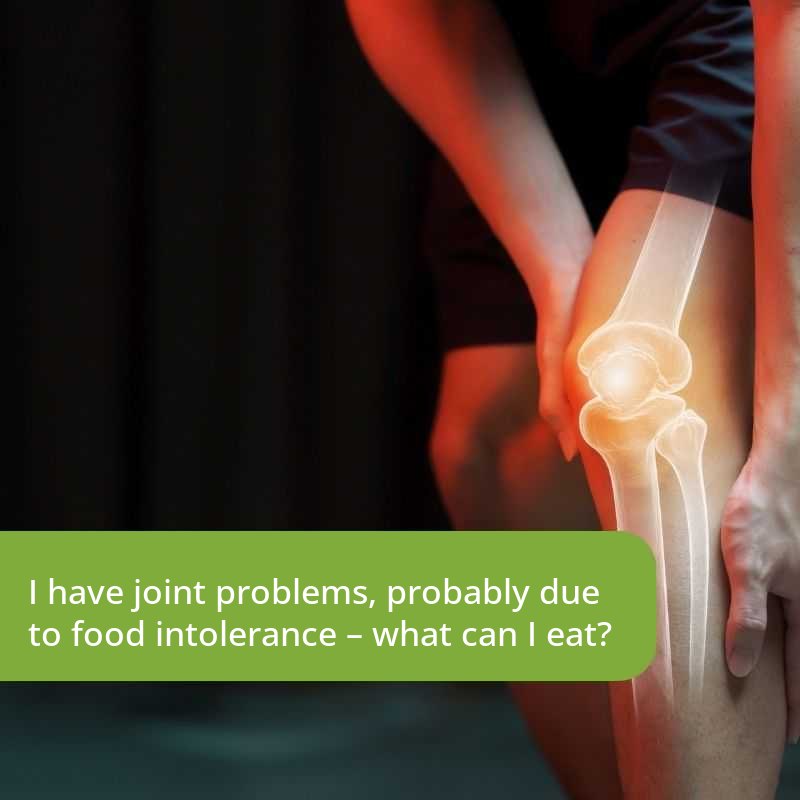
I had the FOODTEST done because of joint problems. I am basically symptom-free, but I have recurring joint pain (lower back, knee, shoulder, elbow), which sometimes leaves me completely unable to move. My question: if after 3 months I start eating the foods that are currently forbidden, my joints may not react "straight away". What should I do in that case?
You can read more about the possible causes of joint complaints, and whether diet may play a part, on our joint complaints page.
I also have questions about the foods. Yellow split peas, bulgur and buckwheat are not on the positive list. Can I eat them? Soya bean is on the list, but I have come across soy sauce whose ingredients did not include soya beans – can I have that?
There are one or two products I really like, e.g. liver pâté and dark chocolate, but these also contain soya. Can I eat them occasionally?
I have not come across agar-agar yet. Which gelling agent would you recommend? According to the list I can eat couscous, but the written part said it is a source of wheat protein. So what is the situation with it?
Can I use potato-based food starch? I make my own bread and use Dr. Oetker dried yeast. Is that all right?
Answer: After three months of elimination, the positive values decrease. Reintroduction should be gradual, starting with the food with the lowest positive value. If symptoms reappear during reintroduction, it is advisable to stop eating that food for another 2–3 weeks. The development of food intolerance depends on several factors, but it is always linked to dietary habits and variety. It is influenced by the condition of the absorptive lining (intestinal villi), which is why it is also important to take probiotics (Normaflor, Protaxin, etc.) during the diet.
Eating psyllium husk also helps the gut regenerate. It calms the bowels and ensures regular stools, thereby supporting detoxification.
In principle, the intolerance goes away. During the diet, antibody production stops. If the diet improves your symptoms, we can draw a parallel between the complaints and eating the positive foods. After the gradual reintroduction of the positive foods, symptoms may not appear at all or only after a longer time; in this case the body starts producing antibodies against the food or foods again. Symptoms reappear once the antibodies have built up significantly. In that case you need to go back to the elimination diet.
A new intolerance can be avoided by following a diet built on varied ingredients and seasonality.
As you have several positive results, when leaving foods out completely focus primarily on foods with values above 40. So egg white can be in your diet 2–3 times a week, which makes things easier as you can use it in cooking.
Buckwheat is listed in the test under the name "pohánka"; you can eat it. Bulgur is cracked wheat, so unfortunately it cannot be eaten.
Yellow split peas are not listed separately in the test, but because peas are positive, yellow split peas should also be avoided.
The exact recipe of soy sauce is in fact a trade secret, but it is certainly made from soya beans. Unfortunately, however tasty it is, it is advisable to avoid it for the time being.
When it comes to chocolate, I can recommend good-quality dark chocolate, depending on your body weight.
It is advisable to make liver pâté and meat spreads at home. The canned versions contain additives and soya.
Agar-agar is labelled E406. It may be found in jams, preserves, meat products in aspic, jellied pastries, yoghurts, and even in spices and marinades. I do not think there is any gelling agent that does not contain it, since it is itself the gelling agent.
Couscous is made from durum wheat, so it really is a source of wheat protein and should therefore be avoided.
Potato-based food starch can be used: with a value of 22, potato is in the borderline range.
Instead of yeast, make bread or cakes with bicarbonate of soda or yeast-free baking powder.
For joint complaints, a milk- and dairy-free diet may bring improvement. In addition, based on your measured values, wheat protein also needs to be eliminated. In some cases, leaving out cereals containing gliadin (a gluten-free diet) brings an improvement in symptoms.

Don't just get the school bag ready
Starting school is not only about new exercise books and a changed daily routine but also about reorganising family meals. The FOODTEST Children's pac...
IBS and food intolerance: can diet help?
Several factors may lie behind irritable bowel syndrome, and the role of diet may also come up. The article explains in plain terms how certain foods...
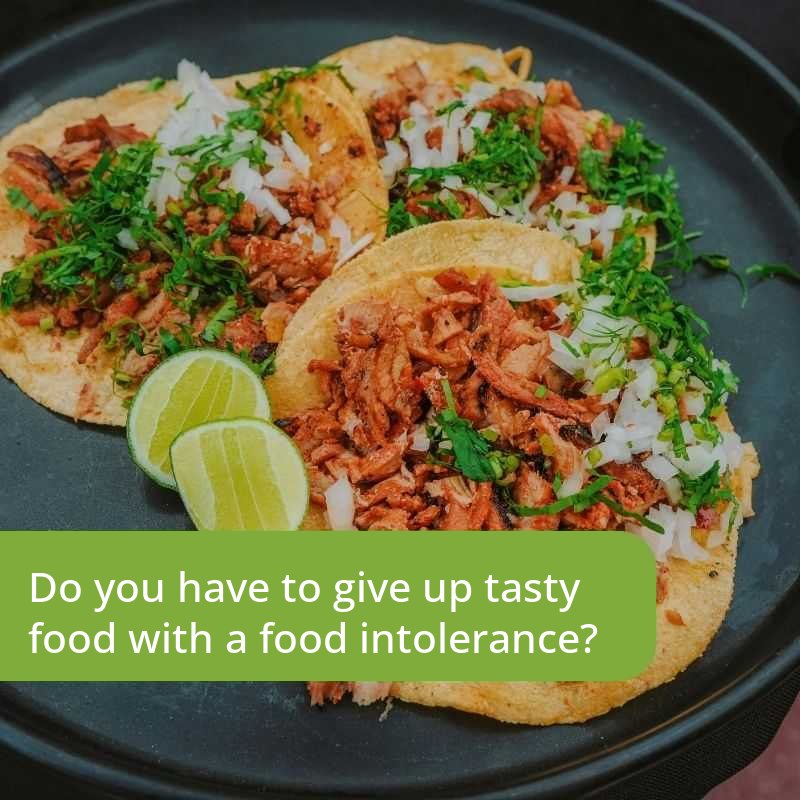
Do you have to give up tasty food with a food intolerance?
Free-from or diet cooking does not mean going without: with the right ingredients and tricks, you can make tasty, varied dishes at home too.
Free download (PDF)
Elimination starter kit
Leaving foods out and bringing them back, step by step, without your plate going empty.