In this article
- 🍽️ Allergy or intolerance? A small difference that explains everything
- 💬 The body speaks – you just have to learn to understand it
- 👨👩👧 A family matter – not an individual struggle
- 🧪 Science helps: FOODTEST 200+ as a compass
- 🌿 A new diet, new experiences – not giving things up, but discovering
- 🧒 Children and food intolerance – the key role of empathy
- ⚖️ Misconceptions that mislead
- 🌅 When recognition sets you free
- 🌻 This is not a diet. It is a change in quality of life.
A morning that changes everything
There comes a moment when you can no longer put it down to chance. The child is grumpy, the adults are tired, and after breakfast comes the stomach ache, the headache or the rash — and nobody understands why.
The test can be done for children from the age of 2; you can read more about the package put together for children here.
Most families suspect stress at this point. But what if the problem is lurking on the table, in the form of a favourite breakfast or dinner?
Food intolerance is insidious. It is not life-threatening and not immediate, but that is precisely what makes it dangerous: it works unnoticed. And by the time the body speaks up loudly enough, everyone has got used to feeling unwell.
🍽️ Allergy or intolerance? A small difference that explains everything
Many people think intolerance is just a “mild allergy”. In reality, it involves a completely different mechanism.
An allergy is a sudden, violent reaction of the immune system (IgE-mediated), which can become life-threatening within minutes. Food intolerance, by contrast, is a delayed immune response – often linked to IgG antibodies or to an enzyme deficiency.
While a person with an allergy notices the trouble immediately, a family member with an intolerance feels the consequences days later: bloating, headache, tiredness, skin irritation, low mood.
👉 The difference: an allergy erupts within minutes, while an intolerance insidiously erodes well-being over hours or days.
💬 The body speaks – you just have to learn to understand it
Food intolerance does not shout, it whispers. Its symptoms are varied and appear differently in everyone.
Bloating, sleep problems, skin rashes, irritability, headaches or exhaustion – these can all be the body’s quiet signals.
As one mother told us:
“My daughter had eczema for years. We tried everything. Then, on a dietitian’s advice, we cut out milk protein. Three weeks later her skin cleared up. Until then we had no idea that food was behind it.”
The body warns us. It is only a matter of time before we listen.
👨👩👧 A family matter – not an individual struggle
When someone is found to have a food intolerance, it rewrites the life of the whole family.
Shopping, cooking and holiday menus all change. At first this can be tiring, sometimes even frustrating.
But once the system starts working — a weekly meal plan, a separate “free-from” shelf, meals planned in advance — tension slowly gives way to calm.
“My son is gluten sensitive. At first everyone grumbled that ‘we can’t eat normally’. Now even the neighbours praise our free-from pizza. And since then nobody has had stomach ache.”
The strength of a family lies in learning to adapt together.
🧪 Science helps: FOODTEST 200+ as a compass
When all the tips have run out, the laboratory can help you see clearly.
The FOODTEST 200+ test measures IgG antibodies to more than 200 food proteins. It does not diagnose; it shows the way: it helps you find out which foods may be causing a hidden immune reaction.
If, for example, wheat, casein or yeast shows a high reaction, the dietitian may recommend a targeted elimination diet.
This is not a “permanent ban” but a period of regeneration. The body needs time to restore its balance.
💡 The aim is not prohibition – but recognising what is good for the body.
🌿 A new diet, new experiences – not giving things up, but discovering
When you first find out that something has to be cut out of your diet, it is frightening.
In many people’s minds, the word “free-from” means “from now on, everything we loved is on the banned list.”
In fact, the opposite is true: a free-from life is not a restriction, but a new opportunity to connect with food differently, more consciously and more cleanly.
Most families experiment in the first few weeks. Some swap milk for almond drink, others bake their breakfast pastries at home, or discover buckwheat, millet and quinoa. The kitchen suddenly becomes a laboratory – not a frightening one, but an exciting one.
Every new ingredient is a new story: a different taste, a different aroma, a different texture. And when someone realises that a well-seasoned vegetable one-pot dish or a free-from brownie is just as enjoyable as the old favourite, that is where the turning point happens.
The key is a change of mindset: we are not looking for what we have to give up, but for what we can discover instead.
A free-from diet becomes a way of life when the family realises that it is not self-denial but an adventure. Every new recipe and every shared cooking session is a small victory. The children happily mix the oat pancake batter, the parents relearn the basics together – and in the process something very human happens: attention returns to the table.
Many report that after a few weeks not only do their symptoms ease, but their life also slows down and becomes smoother. Cooking becomes a shared experience again, not a rush. Family members get to know the ingredients better and know where things come from and how they affect the body.
Over time, this awareness changes not only the kitchen but also the way of thinking.
Anyone who has once experienced what it feels like to eat and then have nothing hurt, to have no afternoon slump, to have clearer skin and deeper sleep – no longer wants to go back to the “old normal”.
A free-from life is not about having less, but about finally feeling how much we have.
Flavours that routine had been suppressing. Aromas that bring joy again. Moments when body and soul sigh at the same time: “ah, that’s better.”
And perhaps this is the most beautiful part of the whole story: when the family realises that the change is not imposed from outside but a decision that comes from within.
Not a list to be followed – but a path they walk together.
Step by step, flavour by flavour, ever closer to not just eating well, but living well.
🧒 Children and food intolerance – the key role of empathy
For a child, the hardest part is that “we are different”.
That is why parents need to set a strong example.
As one father told us:
“My little boy was ashamed of taking a different snack to school. Then we made home-made wraps together, and his classmates tasted them. Now he is the cool kid at school.”
Education, empathy and humour are all crucial.
Food is not the enemy — you just have to find which foods suit your body.
⚖️ Misconceptions that mislead
1️⃣ “Intolerance is just a fad.”
No, it is a real phenomenon that can also be detected in the laboratory.
2️⃣ “FOODTEST shows allergies.”
No, it measures IgG-based reactions and helps in planning a personalised diet.
3️⃣ “It is enough to put everything on the banned list.”
An overly strict diet can lead to nutrient deficiencies. The goal is a conscious balance.
4️⃣ “IgG positivity is always a problem.”
Not necessarily. It can only be interpreted together with the symptoms.
🧭 A conscious decision is worth more than panic.
🌅 When recognition sets you free
The greatest gift is when it finally becomes clear what is behind the complaints.
The tiredness, the headaches and the stomach aches suddenly disappear, and energy returns.
The 100-day food and symptom diary is a simple but effective tool. It helps you recognise patterns and puts you in control.
Change does not happen overnight – but when it arrives, everyone feels it.
The body is grateful, and the family finally feels comfortable in their own skin again.
🌻 This is not a diet. It is a change in quality of life.
Food intolerance is not a punishment but an opportunity.
It teaches you to pay attention, to choose consciously and to enjoy eating again.
You do not have to do everything perfectly.
It is enough to pay a little more attention today than yesterday.
To understand that your body is not your enemy, but is sending you messages.
And when you sit down together at the table again, calmly, without pain, smiling – you will know that all the effort was worth it.
Sources & recommended reading:

Don't just get the school bag ready
Starting school is not only about new exercise books and a changed daily routine but also about reorganising family meals. The FOODTEST Children's pac...
IBS and food intolerance: can diet help?
Several factors may lie behind irritable bowel syndrome, and the role of diet may also come up. The article explains in plain terms how certain foods...
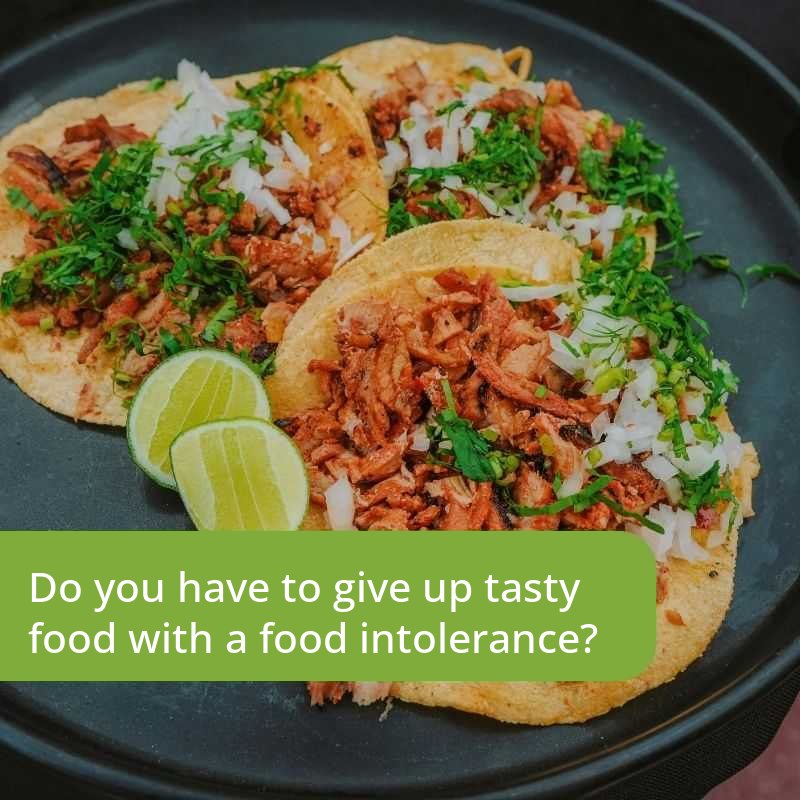
Do you have to give up tasty food with a food intolerance?
Free-from or diet cooking does not mean going without: with the right ingredients and tricks, you can make tasty, varied dishes at home too.
- #Food intolerance
- #Identifying food intolerance
- #Food intolerance in children
- #Food intolerance test
- #FOODTEST
FOODTEST newsletter
Food intolerance tips and recipes by email
Practical diet tips and recipes, straight to your inbox.