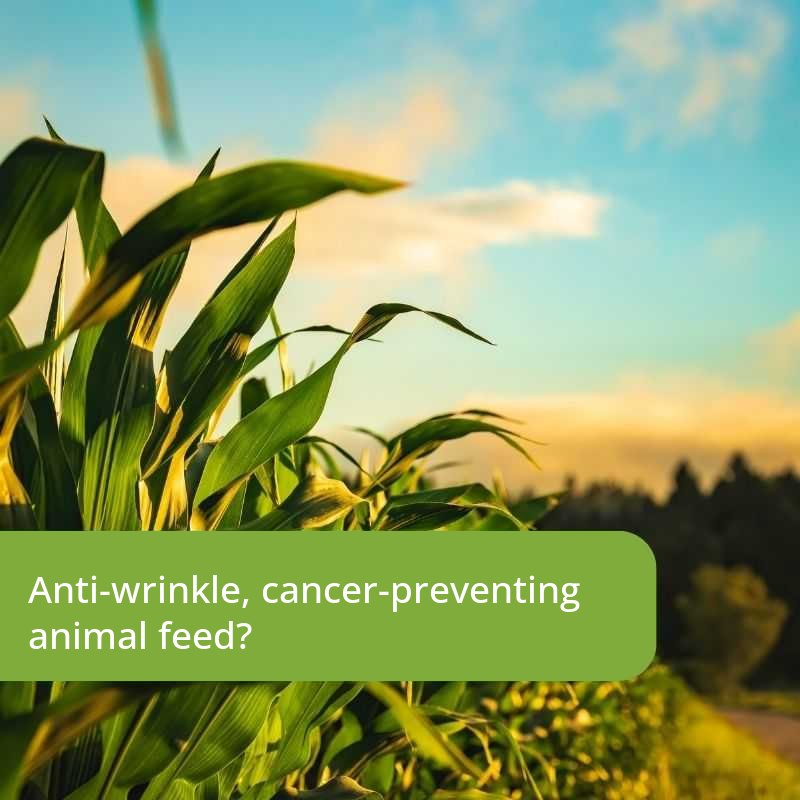
For a long time maize (corn) was regarded only as feed for pigs and poultry, yet it has many beneficial effects on the human body! With the spread of free-from foods, the reputation of maize has improved somewhat, but very few people know that it was once also used as a medicine.
Did you know? Maize came to Europe from South America through Columbus. From there, in the 16th century, Spanish and Portuguese merchants took it to Asia and Africa and spread it there. The Dutch and the English began growing it in Australia. Today it is the field crop grown on the largest area. Its origin, however, is still a mystery: its wild ancestor has never been found. Maize cannot reproduce on its own without human intervention; only pod corn, regarded as the direct ancestor of maize, is able to do so.
Centuries ago, corn silk was taken internally for urinary tract problems – bladder inflammation, urinary tract infections, fluid retention of kidney origin and kidney stones – as well as to treat gout. Its fine roots were once also used for coronary artery problems, but they are rarely used today. Its unsaponifiable fat fraction is also used for gum inflammation. In cosmetics it is known as a skin-soothing, revitalising, moisturising and anti-wrinkle agent.
As for what it actually contains: folic acid, which plays an important role during pregnancy in preventing neural tube defects in the foetus. In addition, the plant contains iron, phosphorus, magnesium, vitamin C, and vitamins B1, B3, B5 and B9.
Thanks to its high fibre content, it also stimulates digestion. Vitamin B1 (also known as thiamine) contributes to normal energy-yielding metabolism.
At the same time, it has a high carbohydrate content, so people with diabetes should eat it with particular care! Eating too much maize may even lead to sensitivity – so people with gluten sensitivity should also vary the flours they use as substitutes. FOODTEST also tests for maize sensitivity; on our test report it is listed among the gluten-free cereals.

Don't just get the school bag ready
Starting school is not only about new exercise books and a changed daily routine but also about reorganising family meals. The FOODTEST Children's pac...
IBS and food intolerance: can diet help?
Several factors may lie behind irritable bowel syndrome, and the role of diet may also come up. The article explains in plain terms how certain foods...
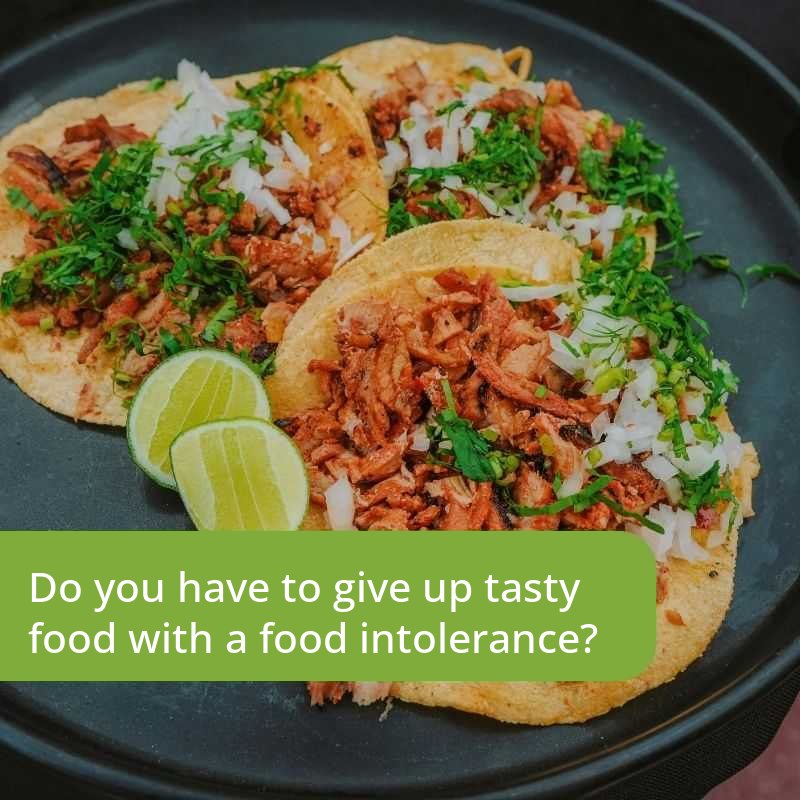
Do you have to give up tasty food with a food intolerance?
Free-from or diet cooking does not mean going without: with the right ingredients and tricks, you can make tasty, varied dishes at home too.
FOODTEST newsletter
Food intolerance tips and recipes by email
Practical diet tips and recipes, straight to your inbox.