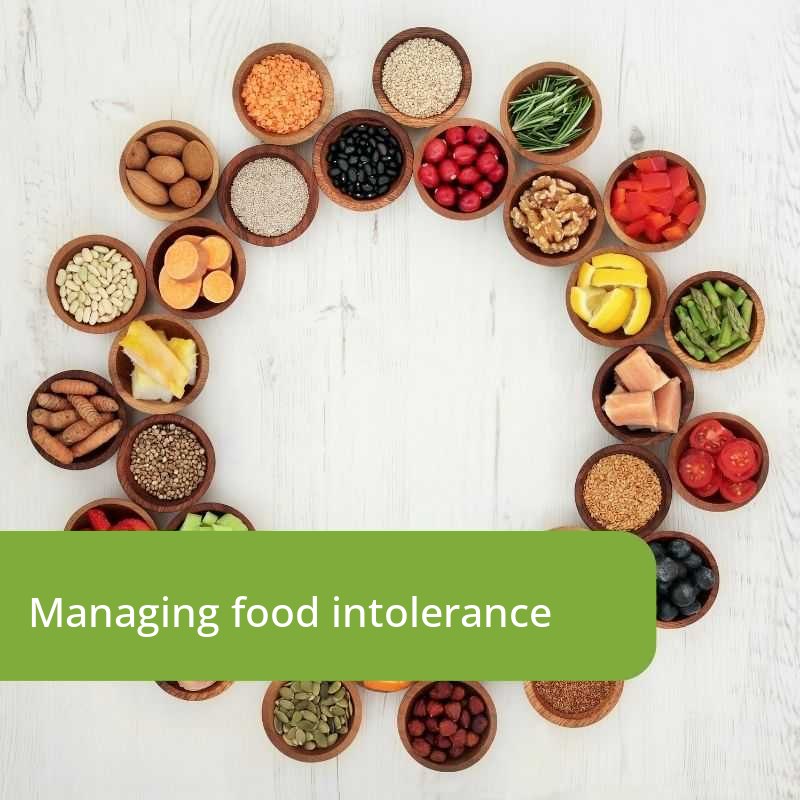
Managing food intolerance simply means leaving the food that causes the sensitivity out of the diet. However, care must be taken to replace the important nutrients found in the eliminated food in other ways and to avoid an inadequate diet.
For example, young children with lactose intolerance can be given soya or hypoallergenic milk instead of cow's milk.
Adults may still tolerate the problem food in small amounts and can find out by experience what and how much they can eat. In the case of lactose intolerance, taking the lactase enzyme in the form of drops or capsules may be a solution.
A given food intolerance does not necessarily last for the rest of the patient's life. If the food that triggers the sensitivity is not eaten for a longer period, the body may be able to tolerate it again in smaller amounts. To design the right diet, it is strongly recommended to seek the advice of a dietitian.

Don't just get the school bag ready
Starting school is not only about new exercise books and a changed daily routine but also about reorganising family meals. The FOODTEST Children's pac...
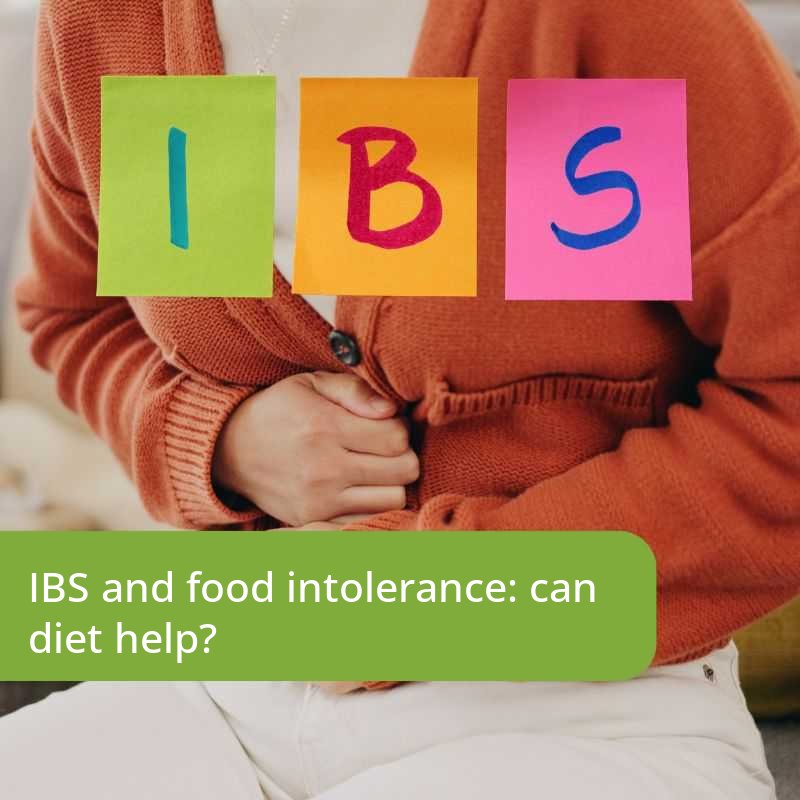
IBS and food intolerance: can diet help?
Several factors may lie behind irritable bowel syndrome, and the role of diet may also come up. The article explains in plain terms how certain foods...
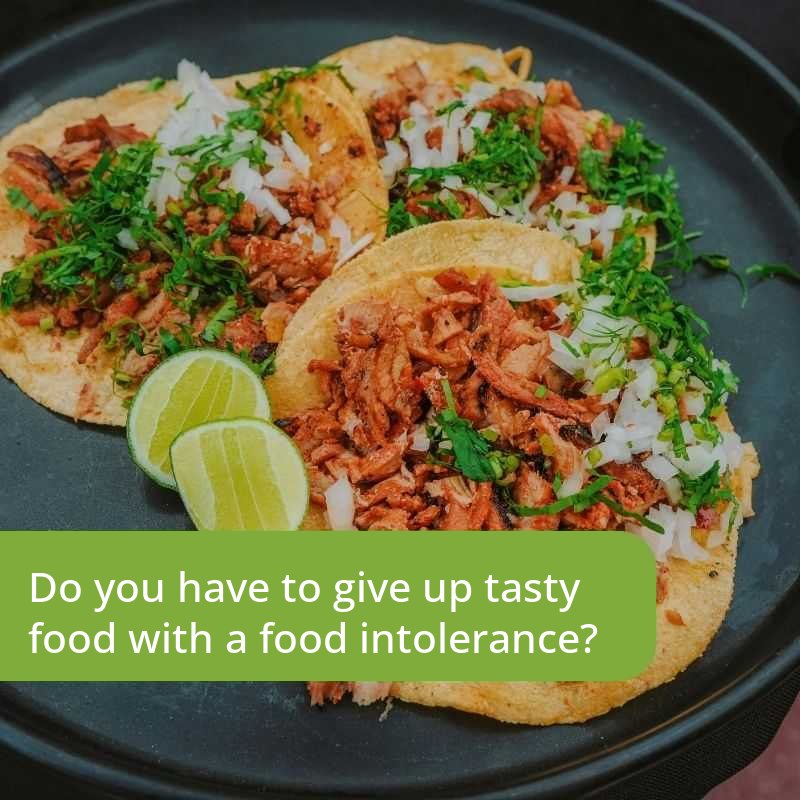
Do you have to give up tasty food with a food intolerance?
Free-from or diet cooking does not mean going without: with the right ingredients and tricks, you can make tasty, varied dishes at home too.
FOODTEST newsletter
Food intolerance tips and recipes by email
Practical diet tips and recipes, straight to your inbox.