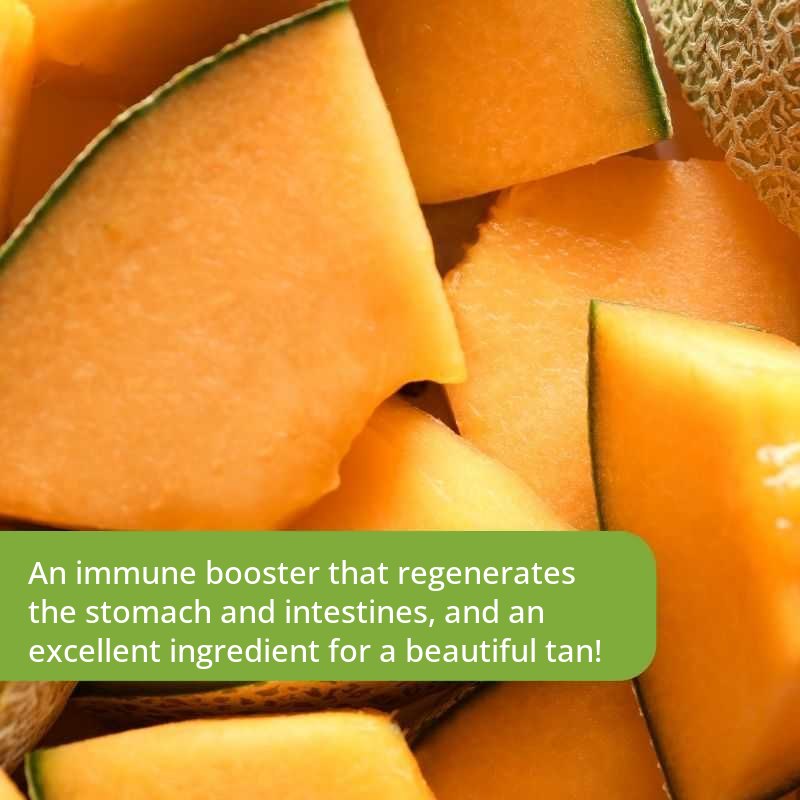
The melon has been known for a long time; in ancient Mesopotamia, Egypt and Syria it was even revered as a medicinal plant. It spread in Hungary around the 11th–12th centuries, and new varieties were added during the Ottoman occupation. It is no coincidence that in the Ottoman Empire people drank a cooling beverage called sorbet every day, which was made from melon. Today we regard it as a fruit because of its sweet taste, although it actually belongs to the cucumber family.
The various varieties usually differ in colour and even in nutrient content, but each of them is a real vitamin bomb. Melon is one of the best sources of vitamins A and C and contains B vitamins in a very good composition and in large amounts: it is rich in vitamins B6 and B3 and in beta-carotene. Melon also contains zinc, phosphorus, calcium, potassium, chromium, magnesium, manganese, sodium, copper and iron, as well as various fruit acids.
Folk tradition recommended melon for feverish and inflammatory conditions, bowel complaints, gout and rheumatism, and for the painful days before a period. These are traditional experiences, not proven healing effects. The body converts beta-carotene into vitamin A, which contributes to the maintenance of normal vision.
Melon also contains fibre. As part of a varied diet, eating it regularly can support healthy bowel function.
Many people also use it for skin care, either by eating it or applying it externally. And of course, very importantly, thanks to its beta-carotene content our skin can tan beautifully and evenly!
Melon is a delicious treat raw, baked, grilled or prepared as a dessert!

Don't just get the school bag ready
Starting school is not only about new exercise books and a changed daily routine but also about reorganising family meals. The FOODTEST Children's pac...
IBS and food intolerance: can diet help?
Several factors may lie behind irritable bowel syndrome, and the role of diet may also come up. The article explains in plain terms how certain foods...
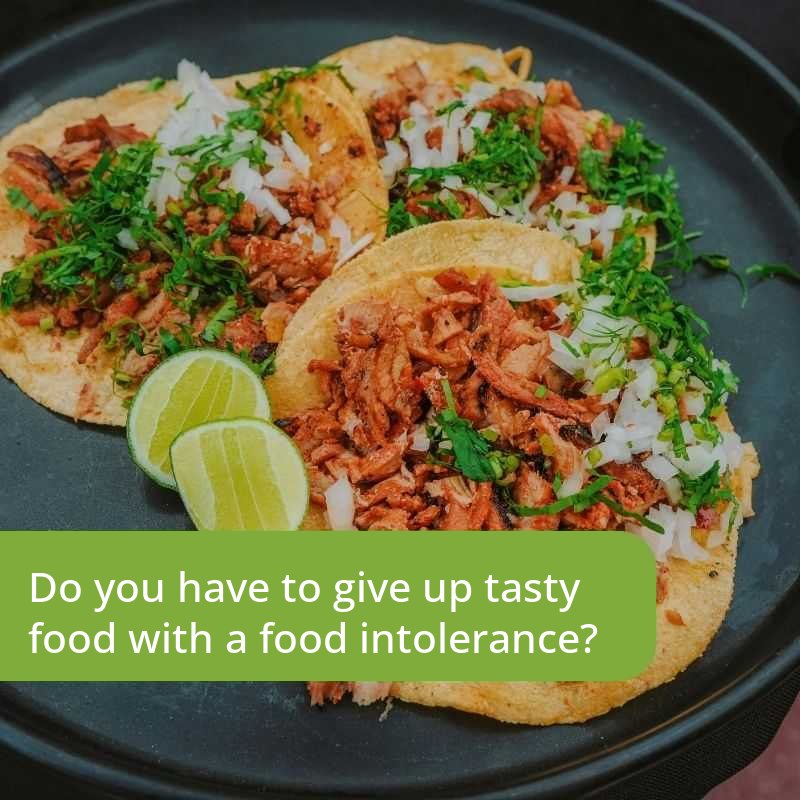
Do you have to give up tasty food with a food intolerance?
Free-from or diet cooking does not mean going without: with the right ingredients and tricks, you can make tasty, varied dishes at home too.
FOODTEST newsletter
Food intolerance tips and recipes by email
Practical diet tips and recipes, straight to your inbox.