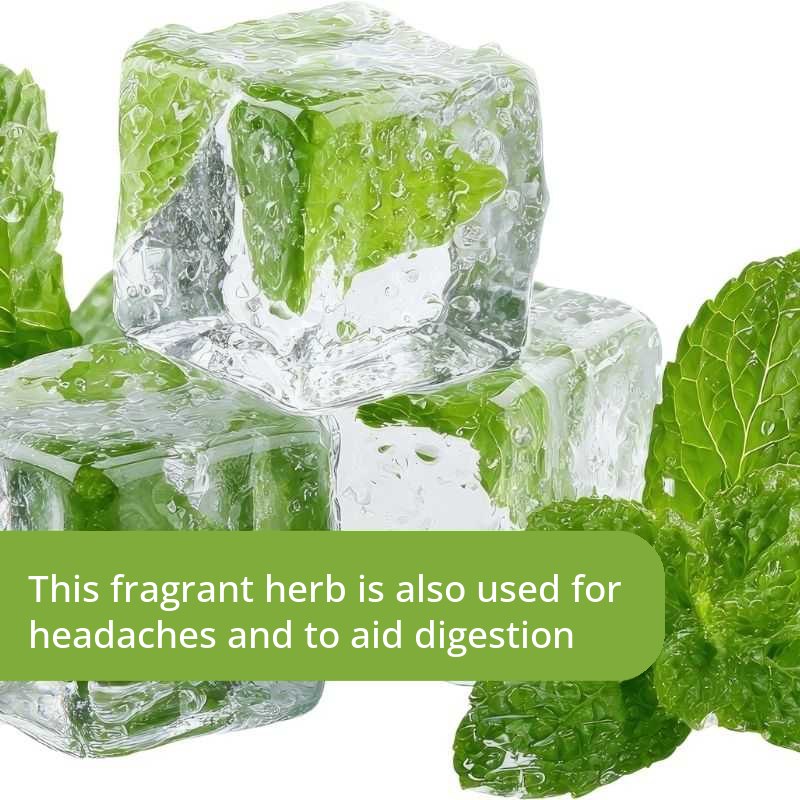
A beautiful nymph turned into a medicinal herb – at least according to Greek mythology. Pluto, the god of the underworld, is said to have fallen in love with a nymph called Minthe, but Pluto’s wife did not take kindly to this and turned the lady into a plant. That is how mint came to be.
Of course, there are many kinds of mint; the most commonly used as medicinal herbs are peppermint and spearmint. Their effects are the same, but spearmint is milder and less pungent.
The healing properties of mint were recognised in ancient times. It was used to improve digestion and appetite, later against stomach, gallbladder and intestinal ailments, and peppermint is also used for nausea. It is traditionally used as a carminative, an antispasmodic, a calming herb, for headaches and as a disinfectant, as well as for respiratory and menstrual complaints. These are traditional uses; see a doctor about persistent complaints. Its essential oil is used in cooling ointments and shake lotions to relieve itching. Mint contains a number of acids, flavonoids, magnesium, zinc, chromium and iron, as well as vitamins B1, B2 and B3.
You can read more about the possible causes of headache and migraine, and when to ask for a medical check-up, on our headache page.
The beauty industry has also recognised the beneficial effects of mint, using it mainly as an ingredient in perfumes, toothpaste and shampoo. And last but not least, to flavour chewing gum!
Its leaves and shoot tips can be used fresh or dried in fruit soups, delicious desserts, fruit salads, drinks and cocktails.
In sweltering heat, nothing cools you down better than a well-chilled lime and mint cocktail.

Don't just get the school bag ready
Starting school is not only about new exercise books and a changed daily routine but also about reorganising family meals. The FOODTEST Children's pac...
IBS and food intolerance: can diet help?
Several factors may lie behind irritable bowel syndrome, and the role of diet may also come up. The article explains in plain terms how certain foods...
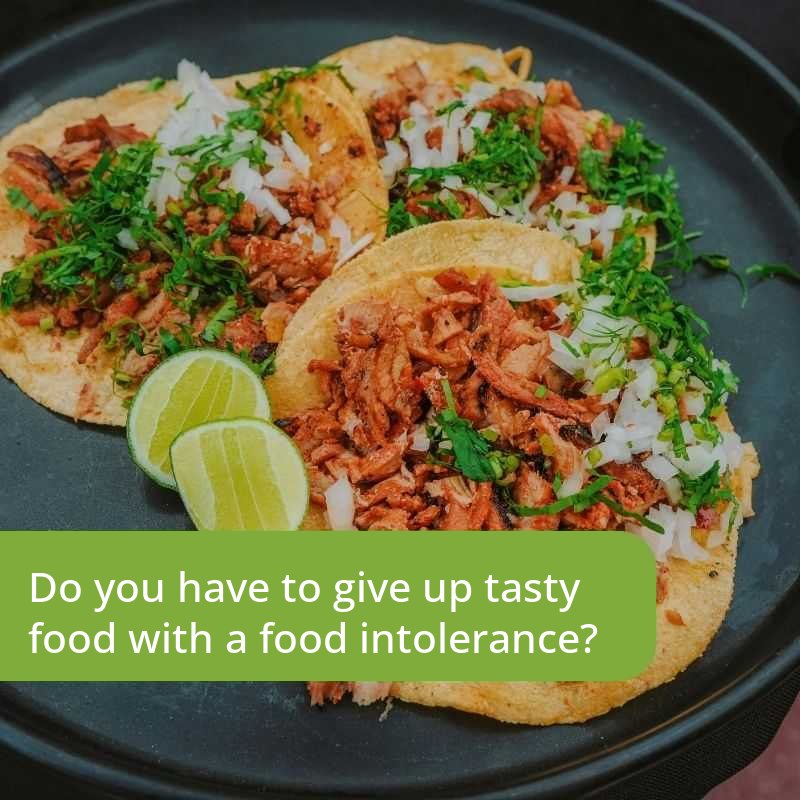
Do you have to give up tasty food with a food intolerance?
Free-from or diet cooking does not mean going without: with the right ingredients and tricks, you can make tasty, varied dishes at home too.
FOODTEST newsletter
Food intolerance tips and recipes by email
Practical diet tips and recipes, straight to your inbox.