Passion fruit is less well known in Hungary; we are more likely to come across it as a flavouring in food, e.g. as an ingredient of fruit-pulp drinks, ice creams or soft drinks.
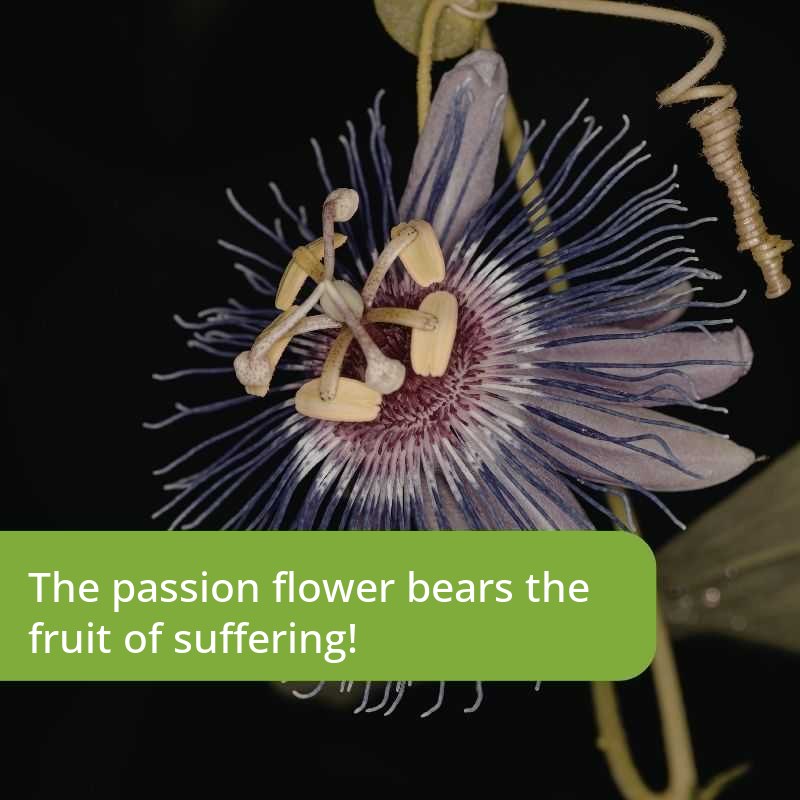
The fruit is native to the Amazon region, and the plant’s stems and tendrils can grow up to 10 metres long. It has huge white flowers, in the centre of which the fruit develops.
In Europe the flower of the passion fruit is known as the passion flower, and in several countries the fruit itself is called the fruit of suffering. The name comes from the Spanish, who saw in the flower symbols of the crucifixion of Christ.
The first record dates from 16th-century Peru, but by then the indigenous people had long been eating the juicy fruit and drinking tea made from it. Thanks to breeding, there are now almost 600 varieties.
Several researchers have studied its effects on the human body, but much remains a mystery even today. Passion fruit contains large amounts of vitamins A, B and C as well as iron and potassium, and it also contains many flavonoids and alkaloids which, when separated, each produce effects opposite to those they have when present together in the fruit.
Its calming effect has been known for centuries, and research is also looking at its effects on sleep and anxiety. It does not treat sleep disorders or anxiety disorders, however: if your complaints persist, see a doctor.
Anti-tumour effects have also been studied in laboratory experiments; they have not been confirmed in human studies. Records of folk medicine show that in Brazil the fruit is used against asthma, coughs, bronchitis, diarrhoea and to expel worms. In other parts of South America it is also used for epilepsy. In Turkey it is used to treat menstrual disorders. However, these latter healing effects have not yet been scientifically proven.
Its taste, however, is certainly convincing; it is also great when you just fancy a sweet but healthy snack!

Don't just get the school bag ready
Starting school is not only about new exercise books and a changed daily routine but also about reorganising family meals. The FOODTEST Children's pac...
IBS and food intolerance: can diet help?
Several factors may lie behind irritable bowel syndrome, and the role of diet may also come up. The article explains in plain terms how certain foods...
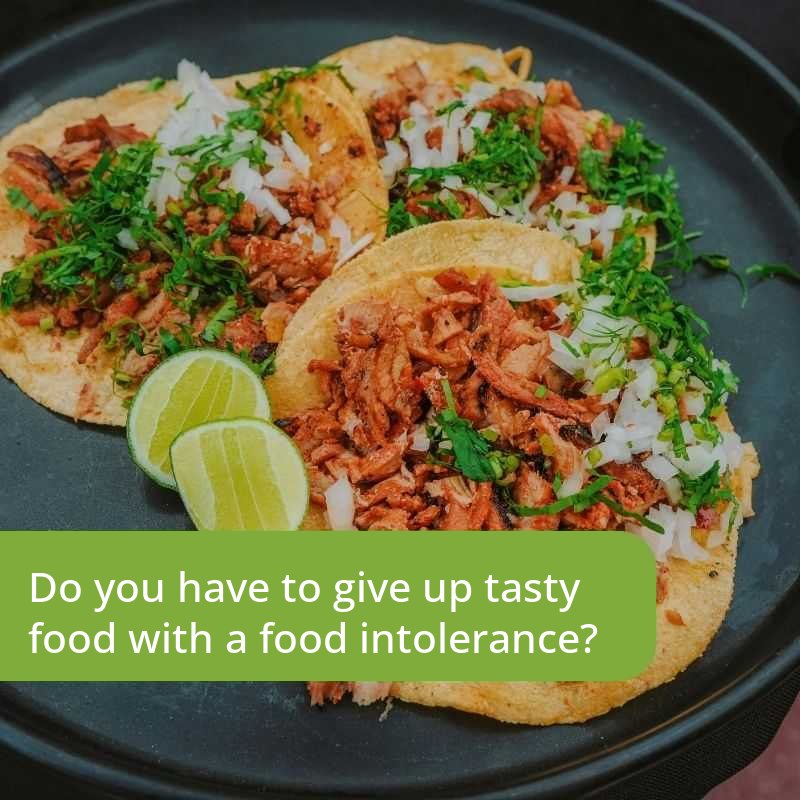
Do you have to give up tasty food with a food intolerance?
Free-from or diet cooking does not mean going without: with the right ingredients and tricks, you can make tasty, varied dishes at home too.
FOODTEST newsletter
Food intolerance tips and recipes by email
Practical diet tips and recipes, straight to your inbox.