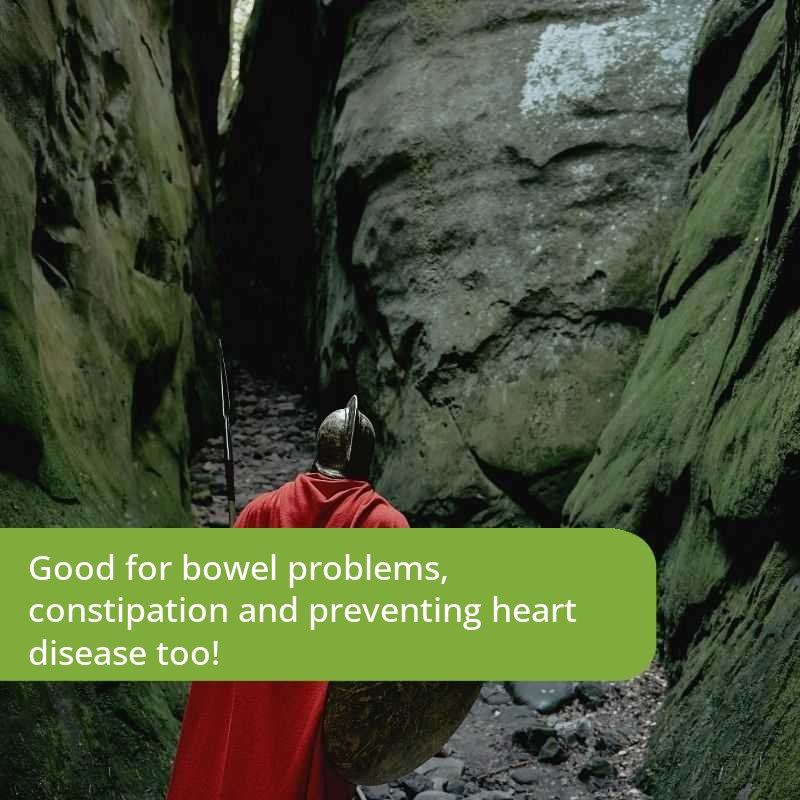
As far back as 6,000 years ago, pearl barley had a reputation as the food that gave the most vitality. Gladiators ate it regularly to build their bodies and improve their condition. According to myth, Demeter, the goddess of grain growers, asked people to make sacrifices to her with barley.
Later, mainly in the Middle East, it was observed that in regions where barley, whether as grain or as flour, was a staple food, heart disease seemed less common. Folk medicine regards barley as an excellent "pharmaceutical package" that helps to relieve constipation; its cancer-preventing effect has not been confirmed in human studies.
The father of Western medicine, Hippocrates, recommended barley soup for regaining health and vitality. Barley is the oldest and still the most important cereal of the cool temperate zone, and it originates from Tibet.
Unfortunately, in Hungary it is far less popular as a food than its important components would justify. Pearl barley is very rich in starch, proteins, sugars, vitamins (A, B1, B2, B5, B6, E) and minerals (calcium, potassium, phosphorus, silicon, iron), but it is low in sodium. Its silicic acid content is also high.
It is an easily digestible, nourishing grain with a mild flavour. Barley beta-glucans have been shown to lower blood cholesterol, and eaten as part of a meal they contribute to the reduction of the blood glucose rise after that meal. Because of its exceptional fibre content, it has a favourable effect on digestion; folk tradition also credits it with calming and diuretic effects. It also contains phosphorus, which contributes to normal energy-yielding metabolism.
Unhulled barley contains the highest amount of active substances, but all barley products are characterised by a high trace element and vitamin content.
.

Don't just get the school bag ready
Starting school is not only about new exercise books and a changed daily routine but also about reorganising family meals. The FOODTEST Children's pac...
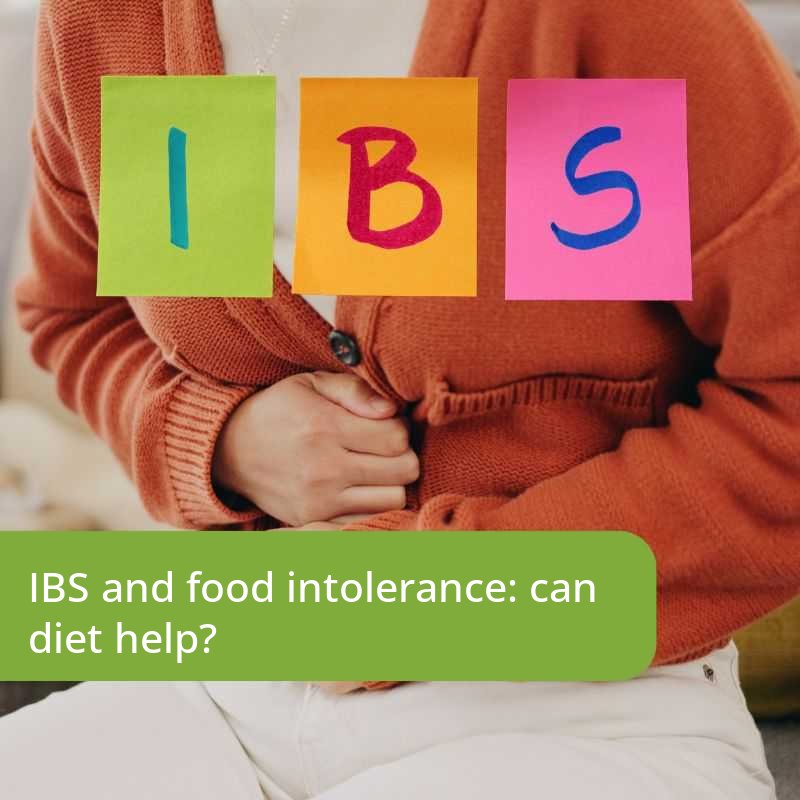
IBS and food intolerance: can diet help?
Several factors may lie behind irritable bowel syndrome, and the role of diet may also come up. The article explains in plain terms how certain foods...
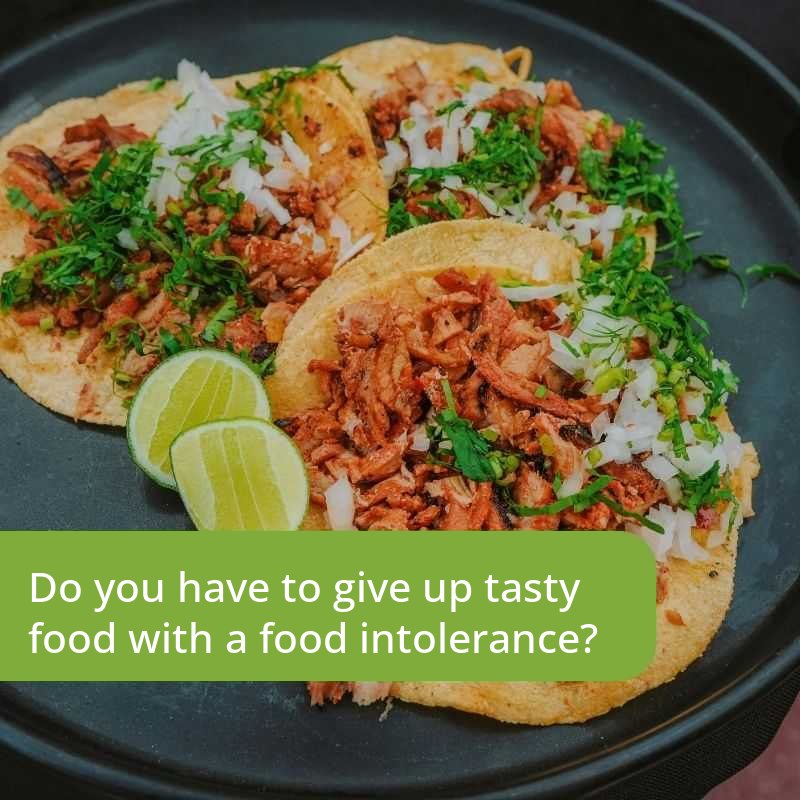
Do you have to give up tasty food with a food intolerance?
Free-from or diet cooking does not mean going without: with the right ingredients and tricks, you can make tasty, varied dishes at home too.
FOODTEST newsletter
Food intolerance tips and recipes by email
Practical diet tips and recipes, straight to your inbox.