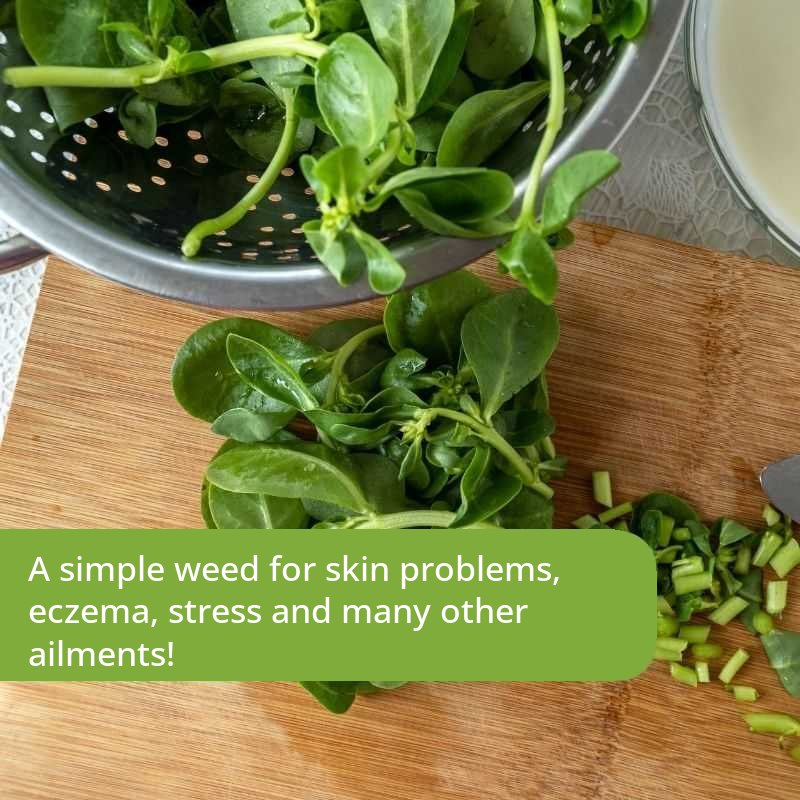
We know this heart-friendly plant as a simple weed.
Common purslane comes from America, grows anywhere, and we know it only as a simple weed. Its fate is sealed: we treat it as a weed. Yet we grow its closest relative, the moss rose (rose purslane), as a garden ornament.
Common purslane was already used as a medicinal herb for a great many ailments in the 1500s. According to records, the seeds, leaves and pressed juice of the plant were recommended for ulcers, kidney problems, diarrhoea and fever. Externally it was used for itchy, painful wounds, mastitis and healing the umbilical stump of newborns. In China its extracts are used for diarrhoea, urinary tract infections and fever, and in Indonesia for heart weakness. Its freshly pressed juice was also used on wounds that were slow to heal.
The leaves of this plant, rich in vitamins and minerals, can be used in raw salads and diet dishes, and in vegetarian cooking it is used as a herb. In some countries it is also made into a vegetable stew; its taste is similar to that of sorrel.
Purslane is the plant richest in omega-3 fatty acids; it also contains vitamins E and C, as well as significant amounts of acids and minerals. Research is looking at its effects on the cardiovascular system and on cholesterol and blood sugar levels, among other things. Folk medicine uses it for insomnia and stress, dermatitis, eczema, burns, urinary complaints, inflammation, headache, colds, flu and gum inflammation, and externally for haemorrhoids, muscle cramps, rheumatic and other skin complaints. These are traditional uses, not proven treatments: see a doctor about eczema, burns or persistent symptoms.

Don't just get the school bag ready
Starting school is not only about new exercise books and a changed daily routine but also about reorganising family meals. The FOODTEST Children's pac...
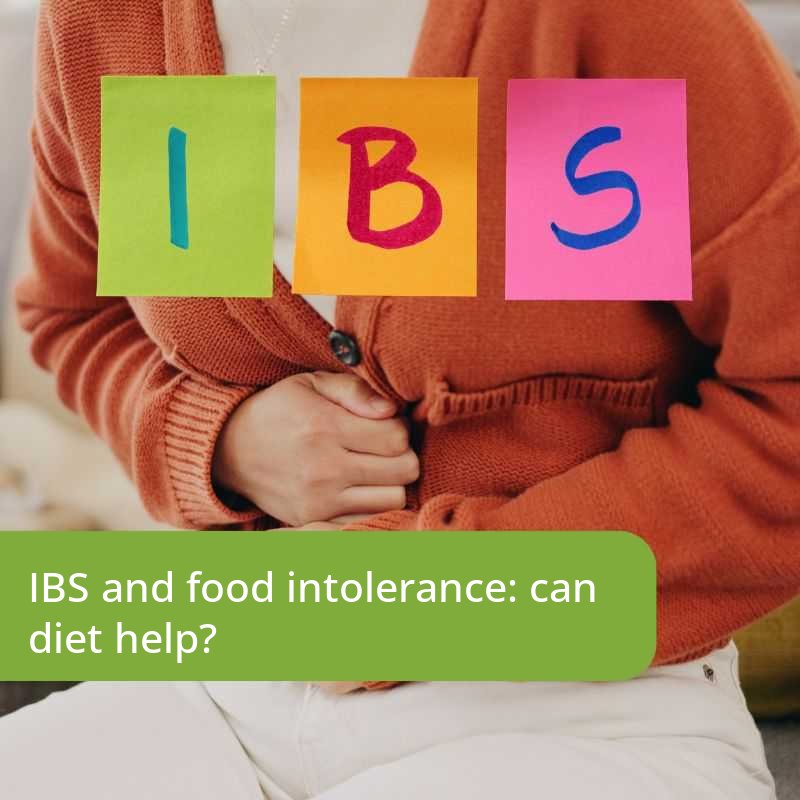
IBS and food intolerance: can diet help?
Several factors may lie behind irritable bowel syndrome, and the role of diet may also come up. The article explains in plain terms how certain foods...
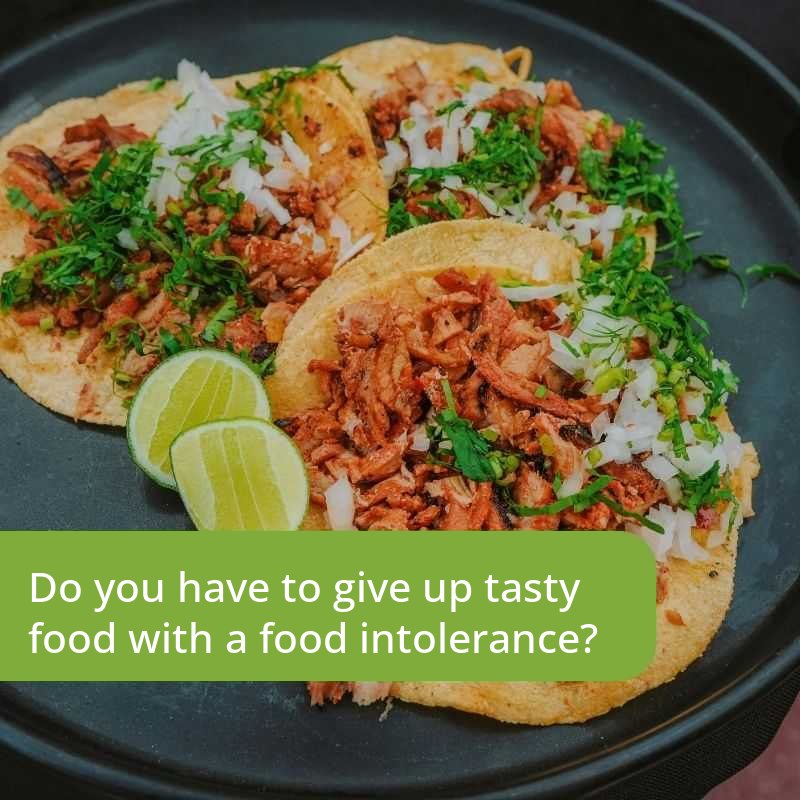
Do you have to give up tasty food with a food intolerance?
Free-from or diet cooking does not mean going without: with the right ingredients and tricks, you can make tasty, varied dishes at home too.
FOODTEST newsletter
Food intolerance tips and recipes by email
Practical diet tips and recipes, straight to your inbox.