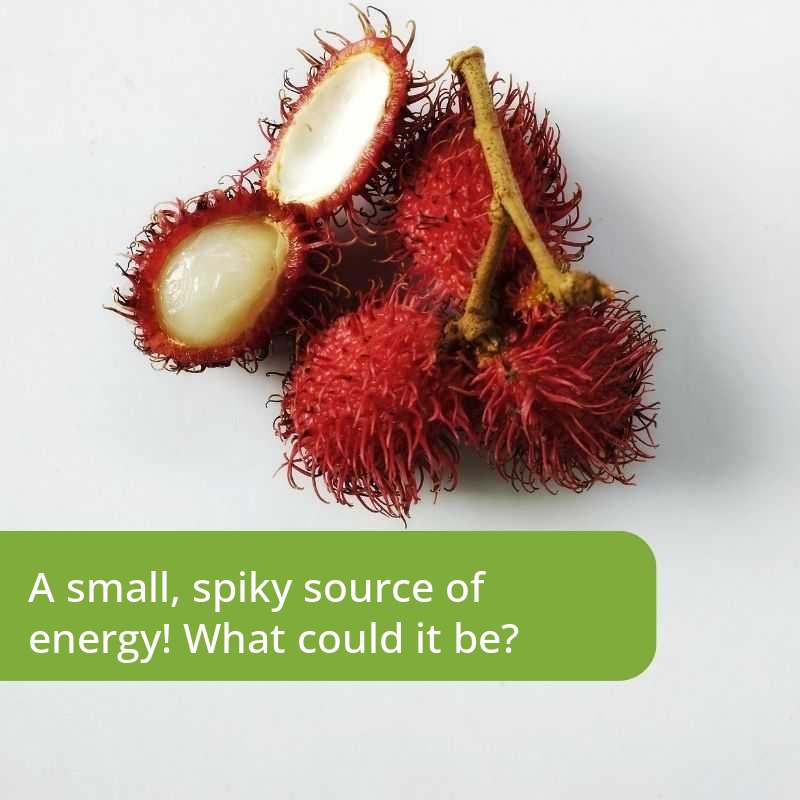
Energy from the soapberry family! It sounds like a play on words, but it is not. This exotic fruit, which looks a little bizarre at first sight, contains a great many useful minerals and vitamins! To European eyes this unusual-looking fruit may seem spiky and a little off-putting, but if you take a closer look and taste it, you may be pleasantly surprised! The little spines on its skin are soft, and the flesh of the fruit is really aromatic, sweet and juicy.
Rambutan is a distinctly Asian fruit; it grows on trees 6–7 metres tall and is available almost all year round. It is native to Malaysia but is also grown in Vietnam, Thailand and Indonesia. It is popular fresh, but in Asia preserved rambutan and rambutan sauce can also be found in almost every pantry.
Researchers and natural medicine are only now beginning to discover the physiological effects of this fruit, which is somewhat unfamiliar to us. In Eastern countries, by contrast, people have long held that rambutan is good for the heart and blood vessels and has an energising, refreshing effect; these are folk beliefs, not proven effects. Its vitamin C content contributes to the normal function of the immune system and to normal collagen formation for the normal function of the gums.
The fruit contains large amounts of vitamins A and C, potassium, zinc, magnesium, calcium and manganese.
Rambutan belongs to the soapberry family. No, this is not a typo: there is a group of plants called soapberries, because in the past cleaning agents and soaps were made from the seeds of these plants.

Don't just get the school bag ready
Starting school is not only about new exercise books and a changed daily routine but also about reorganising family meals. The FOODTEST Children's pac...

IBS and food intolerance: can diet help?
Several factors may lie behind irritable bowel syndrome, and the role of diet may also come up. The article explains in plain terms how certain foods...
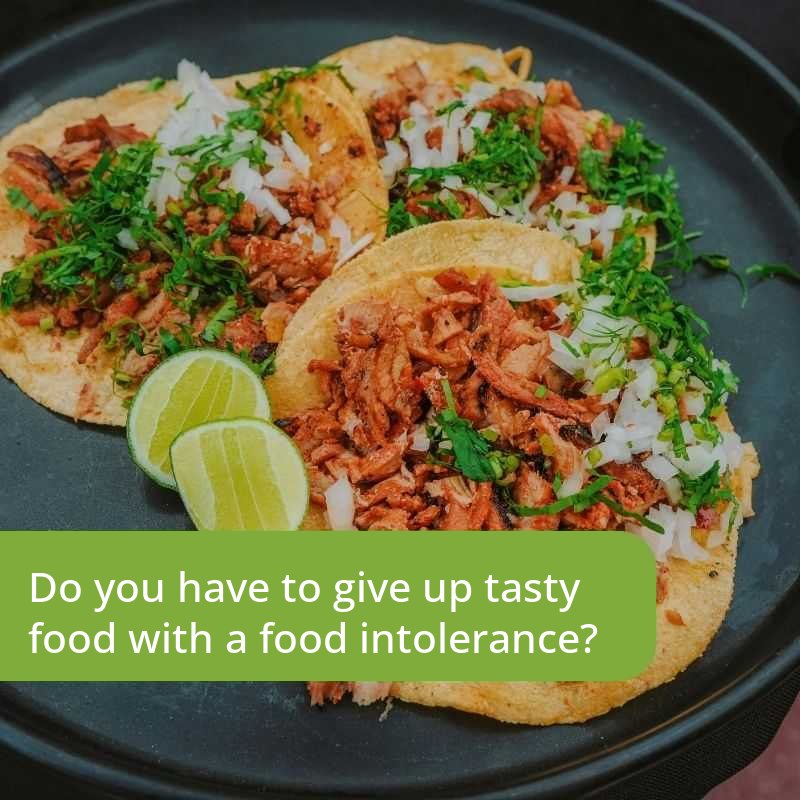
Do you have to give up tasty food with a food intolerance?
Free-from or diet cooking does not mean going without: with the right ingredients and tricks, you can make tasty, varied dishes at home too.
FOODTEST newsletter
Food intolerance tips and recipes by email
Practical diet tips and recipes, straight to your inbox.