
"Soya rissoles, soya beans… someone call the nurse!" Many of us will remember the old joke by the Hungarian comedian Hofi. And opinions are still divided today: many people oppose eating soya, and at least as many support it.
What we know for sure about this much-debated plant is that it has been cultivated for at least 5,000 years. Fresh, it contains a great many amino acids, unsaturated fatty acids, lecithin, vitamins B1, B2, A, E and K, as well as phosphorus and lime. However, no research has yet shown whether the components of soya change as a result of drying.
Research is looking at its effect on cholesterol levels, menopausal symptoms and bone health, but the results are not clear-cut. It contains slowly absorbed carbohydrates, so it can also be included in the diet of people with diabetes; discuss this with your doctor or dietitian. Soya milk, for example, is specifically recommended by dietitians for lactose intolerance, as it contains an adequate amount of protein. For the same reason it is also recommended for vegetarians, as the protein in meat can be replaced with soya-based foods.
Interestingly, people eat only 2% of this plant, which is native to East Asia and belongs to the legume family. The oil pressed from soya beans is used for cooking, and the dried soya beans are used as animal feed.
Of course, it is also worth knowing that soya allergy or sensitivity can occur: soya is one of the allergens that must be labelled on foods.

Don't just get the school bag ready
Starting school is not only about new exercise books and a changed daily routine but also about reorganising family meals. The FOODTEST Children's pac...
IBS and food intolerance: can diet help?
Several factors may lie behind irritable bowel syndrome, and the role of diet may also come up. The article explains in plain terms how certain foods...
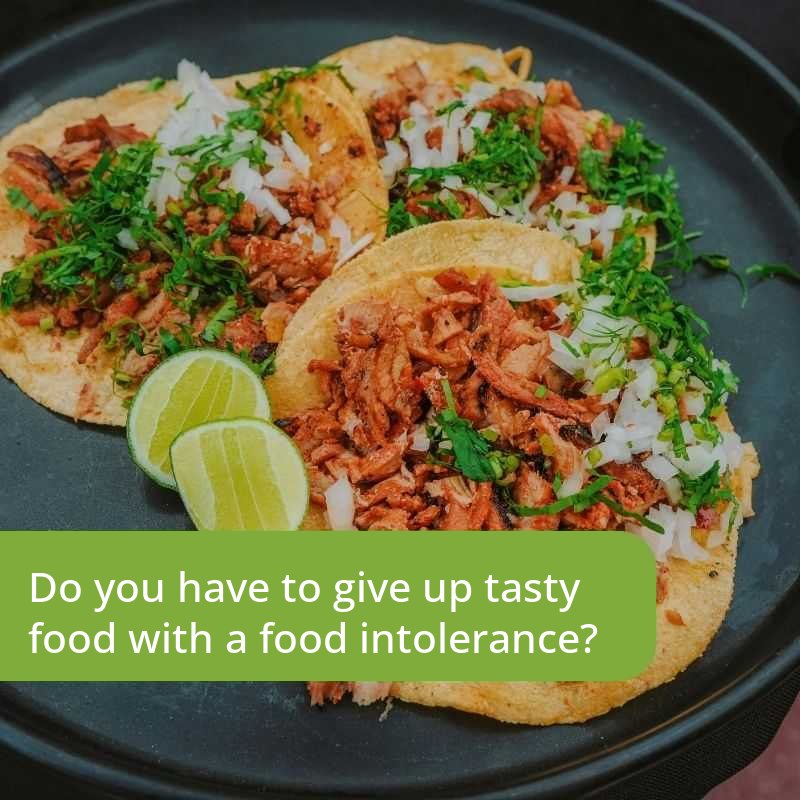
Do you have to give up tasty food with a food intolerance?
Free-from or diet cooking does not mean going without: with the right ingredients and tricks, you can make tasty, varied dishes at home too.
FOODTEST newsletter
Food intolerance tips and recipes by email
Practical diet tips and recipes, straight to your inbox.