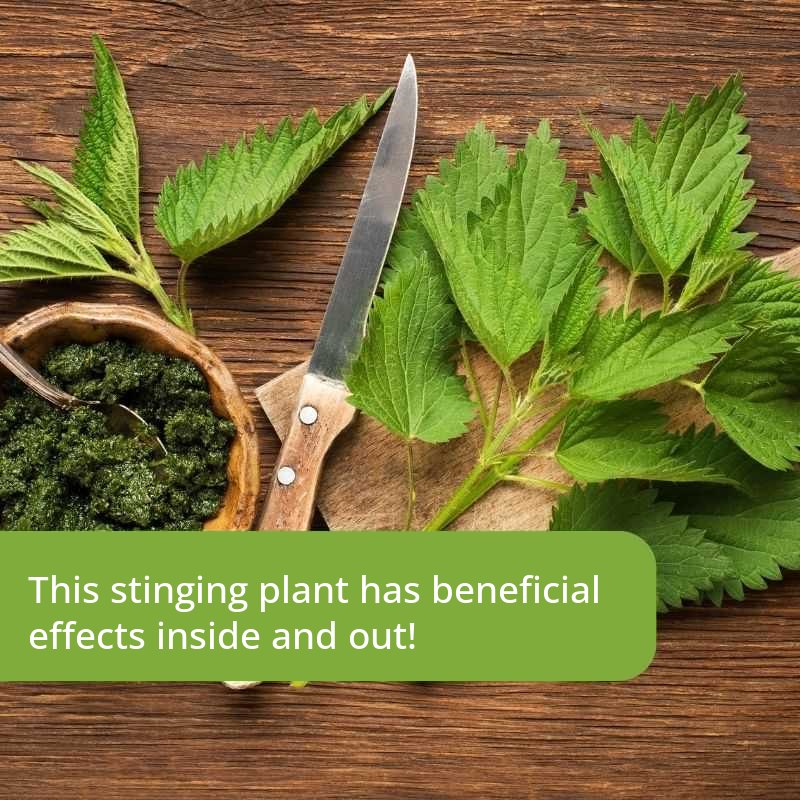
We can come across stinging nettle anywhere, whether on a long walk in the hills, in a meadow, on the banks of rivers or lakes, or just in a city park. Surely everyone has had an unpleasant encounter with nettles, when the innocent-looking green leaves gave them a nasty sting. But perhaps that is exactly where its strength lies.
The healing properties of nettle were known as early as the centuries before the Common Era, although back then it was used mainly for snake bites, to remove the venom. Today research is also looking at its effect on hay fever and some skin complaints; with eczema or persistent skin symptoms, however, see a doctor. In addition, it has been used for centuries for rheumatic pain, urinary complaints and as a diuretic.
Besides vitamins A, B, C, K, U and P, the plant contains many minerals, iron and selenium, as well as valuable flavonoids and acids. This is the source of its many beneficial effects. We can pick nettles ourselves, but better not try it without gloves!
At home, nettle leaves can be made into tea, tincture, decoction or compresses, and they can also be used in salads and cooked dishes. However, beware of drinking too much nettle tea, as it can irritate the intestines!
The beauty industry has also noticed the beneficial effects of this stinging plant: it is an ingredient of many creams, shampoos and hair tonics.

Don't just get the school bag ready
Starting school is not only about new exercise books and a changed daily routine but also about reorganising family meals. The FOODTEST Children's pac...
IBS and food intolerance: can diet help?
Several factors may lie behind irritable bowel syndrome, and the role of diet may also come up. The article explains in plain terms how certain foods...
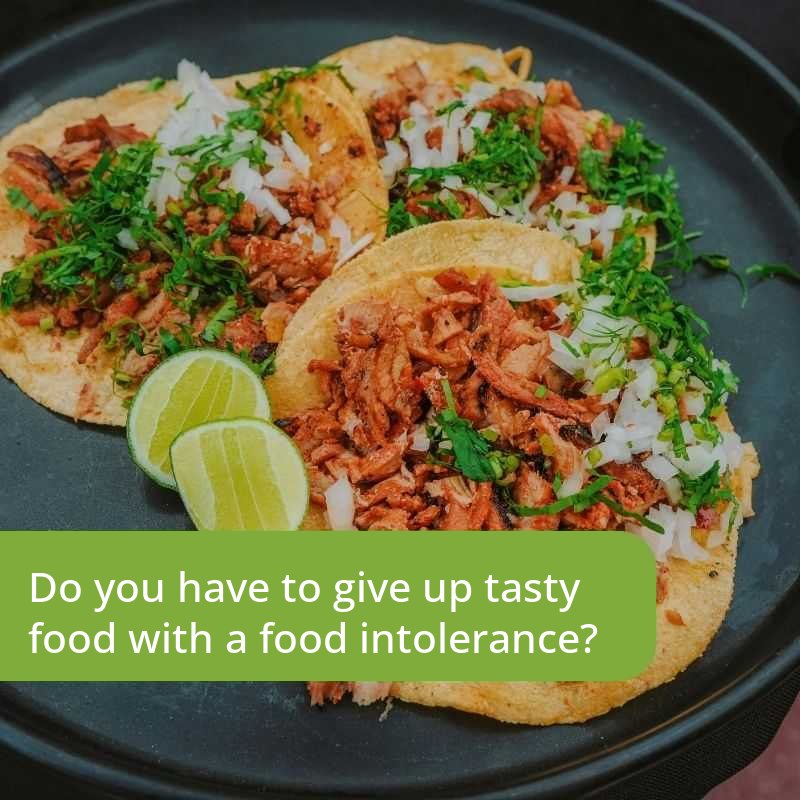
Do you have to give up tasty food with a food intolerance?
Free-from or diet cooking does not mean going without: with the right ingredients and tricks, you can make tasty, varied dishes at home too.
FOODTEST newsletter
Food intolerance tips and recipes by email
Practical diet tips and recipes, straight to your inbox.