An English overview, written by FOODTEST, of publications by other authors on weight problems, inflammation and food-specific IgG; please consult the originals for the full text.
Overview
A literature review from the University of York looked at elimination diets based on food-specific IgG results and concluded that standardised, clinically evaluated tests could help improve many patients’ quality of life. An Austrian study of 30 obese and 30 normal-weight young people found higher food-specific IgG levels in the obese group, linked with C-reactive protein (CRP) and carotid wall thickness; the authors suggest, but do not prove, a role in obesity and atherosclerosis.
Other papers describe metabolic syndrome as an interplay of obesity, insulin resistance and inflammation that raises the risk of heart disease and type 2 diabetes, present animal data suggesting that obesity is a low-grade inflammatory condition, and report in a systematic review that weight loss is associated with lower CRP levels.
You can read more about the possible causes of weight problems, and whether food sensitivity may play a part, on our weight problems page.
References
- Hardman G, Hart G: Dietary advice based on food-specific IgG results. Nutrition & Food Science 2007;37(1):16–23
- Wilders-Truschnig M et al.: IgG antibodies against food antigens are correlated with inflammation and intima media thickness in obese juveniles. Exp Clin Endocrinol Diabetes 2008;116:241–245
- Dandona P et al.: Metabolic syndrome – a comprehensive perspective based on interactions between obesity, diabetes, and inflammation. Circulation, doi:10.1161/01.CIR.0000158483.13093.9D
- Ramos EJB et al.: Is obesity an inflammatory disease? Surgery 2003;134:329–335
- Selvin E, Paynter NP, Erlinger TP: The effect of weight loss on C-reactive protein: a systematic review. Arch Intern Med 2007;167(1):31–39
Please send any questions about the publications to info@foodtest.hu.

Don't just get the school bag ready
Starting school is not only about new exercise books and a changed daily routine but also about reorganising family meals. The FOODTEST Children's pac...
IBS and food intolerance: can diet help?
Several factors may lie behind irritable bowel syndrome, and the role of diet may also come up. The article explains in plain terms how certain foods...
Do you have to give up tasty food with a food intolerance?
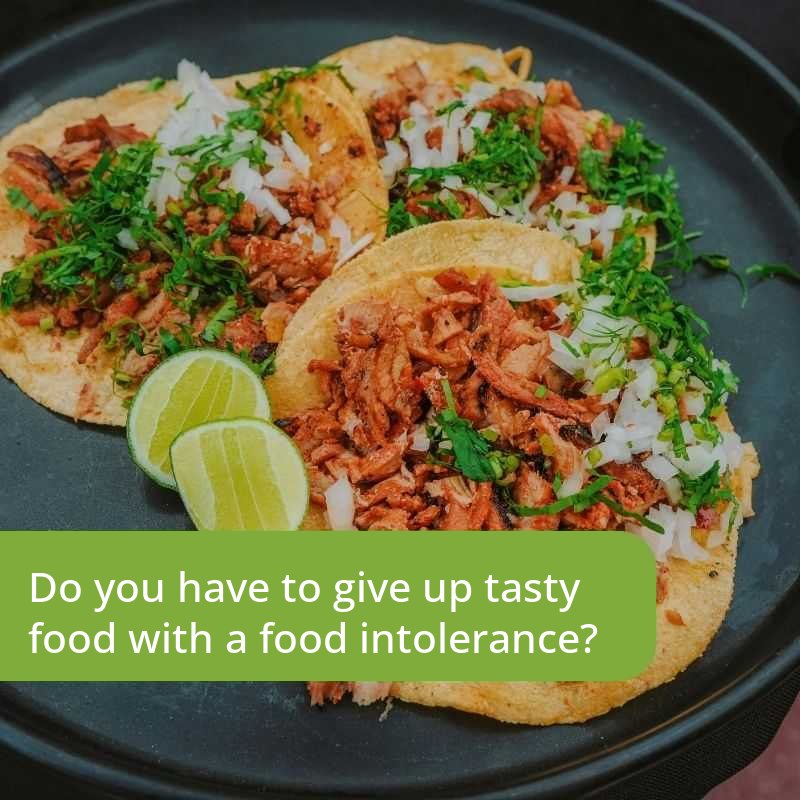
Free-from or diet cooking does not mean going without: with the right ingredients and tricks, you can make tasty, varied dishes at home too.
FOODTEST newsletter
Food intolerance tips and recipes by email
Practical diet tips and recipes, straight to your inbox.