
Food intolerance used to be barely known; today, unfortunately, it has become almost commonplace.
Why is this a problem?
Because despite modern medical technology the situation is not improving, which also means that addressing the underlying causes has become more important and urgent than ever.
Where better to start exploring this than with the question of what can trigger food intolerance?
Referring to Dr András Guseo's book Ételintolerancia van vagy nincs? (Food intolerance – is there or isn't there?), we list some of the causes, without claiming to be complete:
- Eating the same food often and in large quantities.
The downside of abundant choice, together with the fact that modern life spares us from putting much effort into preparing our meals, is behind not only the rise in weight problems but also the growing number of food intolerance cases.
- We eat too fast.
However many times our mothers told us as children to eat more slowly, our hectic lifestyle and excessive pressure unfortunately take their revenge on our health and present the bill. It is impossible to digest anything properly if we wolf it down in 5 minutes!
- Digestive disorders caused by digestive enzyme deficiency
We need not look far for an example: just think of lactose intolerance (which is quite common among the Hungarian population).
Lactose intolerance is caused by a lack of the enzyme lactase; in other words, the body of the person affected cannot break down lactose, and this shows up as various abdominal complaints (bloating, diarrhoea, abdominal pain, etc.).
- Food additives, preservatives, food colourings, flavour enhancers, etc.
Our bodies were not designed to fight a host of chemicals day after day, and unfortunately this burden on the human body does not go unpaid.
- A shift in the composition of the gut flora (dysbiosis)
This may result from poor nutrition or from an intestinal infection.
- Overuse of medicines
This cause is closely linked to the previous point, as medicines also interact chemically with the gut, which may upset the balance of the gut flora (if an appropriate prebiotic course is not taken).
- Excessive stress
We need not go into detail about the harmful effects of stress, but it is worth knowing that stress can also affect how the gut works (just think of the expression "nervous stomach" – it is telling, and not without reason!)
- Vitamin and trace element deficiency
Unfortunately, this can occur even when we do everything we can to eat healthily.
According to some studies, today's mass-produced vegetables and fruit may contain fewer vitamins and minerals than they did decades ago.
If you do not pay attention to your nutrient intake and, where necessary, to supplementing it, sooner or later you may upset the balance of your gut.
- Intestinal infections
It is often said that the microbiome is our immune system.
An intestinal infection can easily upset the balance of the gut flora, and a weakened immune system may be exposed to more attacks.
We can see that food intolerance may be rooted in countless circumstances, but by identifying and eliminating the causes we can improve the situation a great deal.
If a medical examination finds no cause, a food intolerance test followed by an elimination diet guided by a professional is one possible next step.

Don't just get the school bag ready
Starting school is not only about new exercise books and a changed daily routine but also about reorganising family meals. The FOODTEST Children's pac...
IBS and food intolerance: can diet help?
Several factors may lie behind irritable bowel syndrome, and the role of diet may also come up. The article explains in plain terms how certain foods...
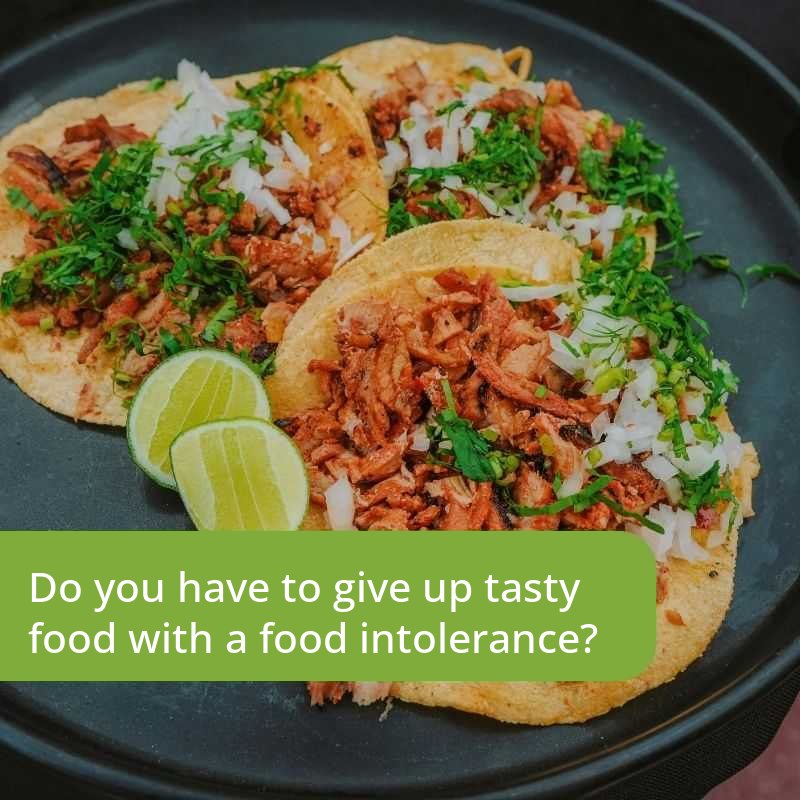
Do you have to give up tasty food with a food intolerance?
Free-from or diet cooking does not mean going without: with the right ingredients and tricks, you can make tasty, varied dishes at home too.
- #Identifying food intolerance
- #Food intolerance in children
- #Causes of food intolerance
- #Food intolerance test
FOODTEST newsletter
Food intolerance tips and recipes by email
Practical diet tips and recipes, straight to your inbox.