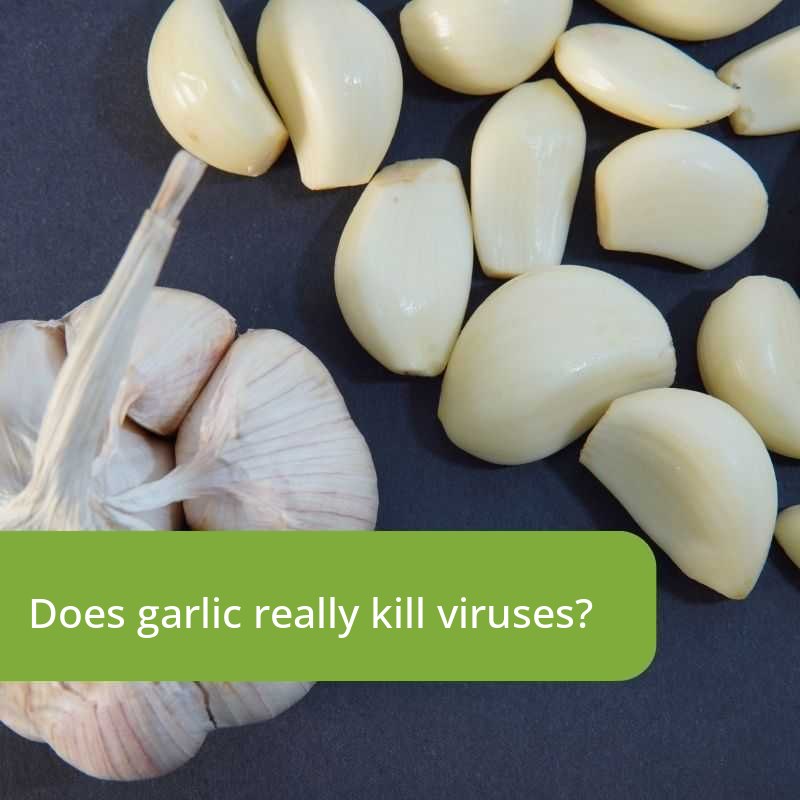
Yes and no. If only this question could be answered in a single word, but to get a true picture of garlic, we need to dig a little deeper.
Garlic is officially classed as a medicinal plant and a herb. It is native to South Asia but has spread all over the world and is eaten everywhere. The earliest records date back 5,000 years, and even then it was credited with magical powers. This is probably why, in mystical stories, it appears as a way of driving away vampires and other evil creatures.
In ancient Egypt it was revered as a sacred plant, and in the Middle Ages it was also credited with healing and cleansing powers; people wore garlic cloves around their necks as amulets. Plague doctors put garlic leaves in the beak of their bird-shaped masks, through which the wearers breathed. In Hungary it began to be cultivated in the 15th century.
As a herb it can be used in a great many dishes: soups, vegetable stews, salads, roasts, game, sauces and sausages, and it is also popular for flavouring toast or lángos. It was precisely because of its antibacterial and antifungal effect that it was once first used to preserve meat. Today it is an ingredient of most meat marinades and meat seasoning blends.
Its antibacterial effect was first described in 1858; later, in 1920, the Swiss pharmaceutical company Sandoz isolated the antibacterial active compound, alliin. Laboratory studies have shown antibacterial, antifungal and antiviral effects of garlic's active compounds; this does not mean, however, that eating garlic cures infections. Its anti-cancer effect has not been confirmed in human studies.
Research is also looking at its effect on blood pressure and digestion; folk medicine also uses it to expel intestinal worms and to support bile and liver function. Besides alliin, it also contains many important minerals, proteins and carbohydrates, as well as several vitamins: vitamin A, B vitamins, vitamin C and vitamin E. It also contains antioxidant compounds.
Eating garlic is certainly useful and a good thing, but you need to know that the effects seen in the laboratory would need a much larger quantity than we are able to eat. It also often happens that the digestive system does not tolerate it; it can even cause heartburn and bloating, and in some cases allergic skin rashes.
So we cannot state unequivocally that viruses will definitely pass by anyone who eats 2–3 cloves of garlic every day. And in medicinal quantities it should only be taken under medical supervision!

Don't just get the school bag ready
Starting school is not only about new exercise books and a changed daily routine but also about reorganising family meals. The FOODTEST Children's pac...
IBS and food intolerance: can diet help?
Several factors may lie behind irritable bowel syndrome, and the role of diet may also come up. The article explains in plain terms how certain foods...
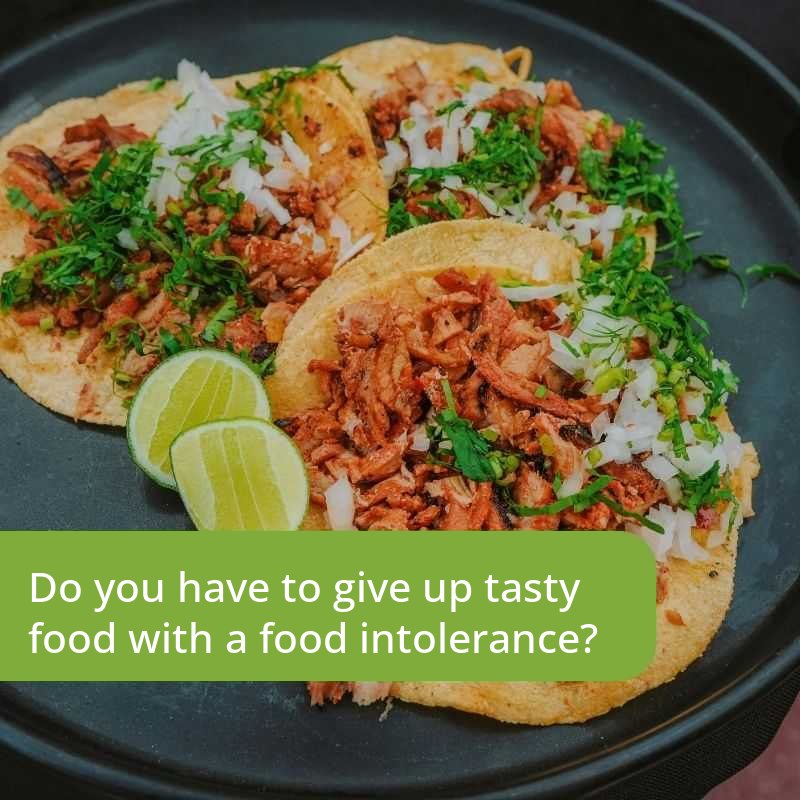
Do you have to give up tasty food with a food intolerance?
Free-from or diet cooking does not mean going without: with the right ingredients and tricks, you can make tasty, varied dishes at home too.
FOODTEST newsletter
Food intolerance tips and recipes by email
Practical diet tips and recipes, straight to your inbox.