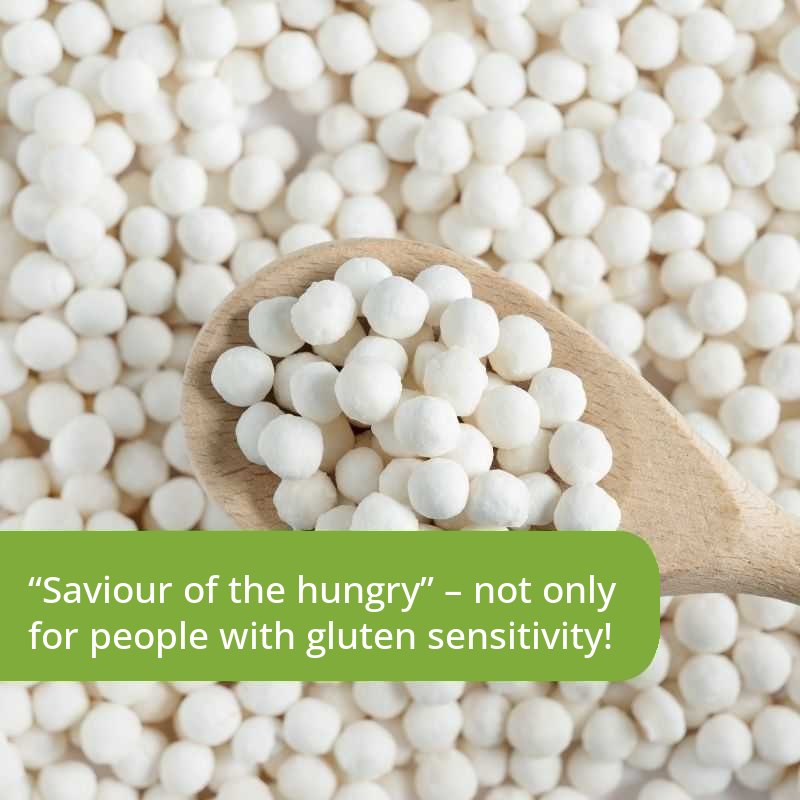
While it is an essential kitchen staple in South America, Africa and Asia, in Europe it is known mainly to people with gluten sensitivity and followers of wholefood cooking.
Tapioca comes from a plant native to the world’s tropical regions, known in some places as manioc or cassava. It was once cultivated by the Maya on the Yucatán peninsula, then, with the help of the Portuguese conquerors, it reached Africa, where it quickly became popular. There it was named the saviour of the hungry because it is cheap and adapts to all kinds of climates and environments.
The leaves of the plant are similar to spinach and are used in the same way. They are made into vegetable stews, salads and steamed vegetables, and are also popular for flavouring soups and meats. They are very healthy too, since they contain plenty of protein, vitamins and minerals. The root, however, is used in many more ways. It is made into flour, starch and alcoholic drinks, and puddings are also cooked from it. It is absolutely kitchen-friendly, has no aftertaste, and what’s more, it does not form lumps when sprinkled into food.
Its secret lies in its nutritional value and composition. Its leaves also contain protein, so they can be useful in a vegetarian diet. It also contains calcium and potassium: calcium contributes to the maintenance of normal bones, and potassium to the maintenance of normal blood pressure. It also contains a great deal of folic acid, B-complex vitamins and vitamin K. B vitamins contribute to the normal function of the nervous system, and folic acid is in any case essential for expectant mothers for the health of the baby!
It is an excellent source of energy thanks to its high carbohydrate content, so people with diabetes should eat it only with caution!
Something to watch out for: tapioca can also trigger allergic reactions or food sensitivity if eaten in excessive amounts! FOODTEST 200+ also tests for tapioca sensitivity – take a look at our sample test report!

Don't just get the school bag ready
Starting school is not only about new exercise books and a changed daily routine but also about reorganising family meals. The FOODTEST Children's pac...
IBS and food intolerance: can diet help?
Several factors may lie behind irritable bowel syndrome, and the role of diet may also come up. The article explains in plain terms how certain foods...
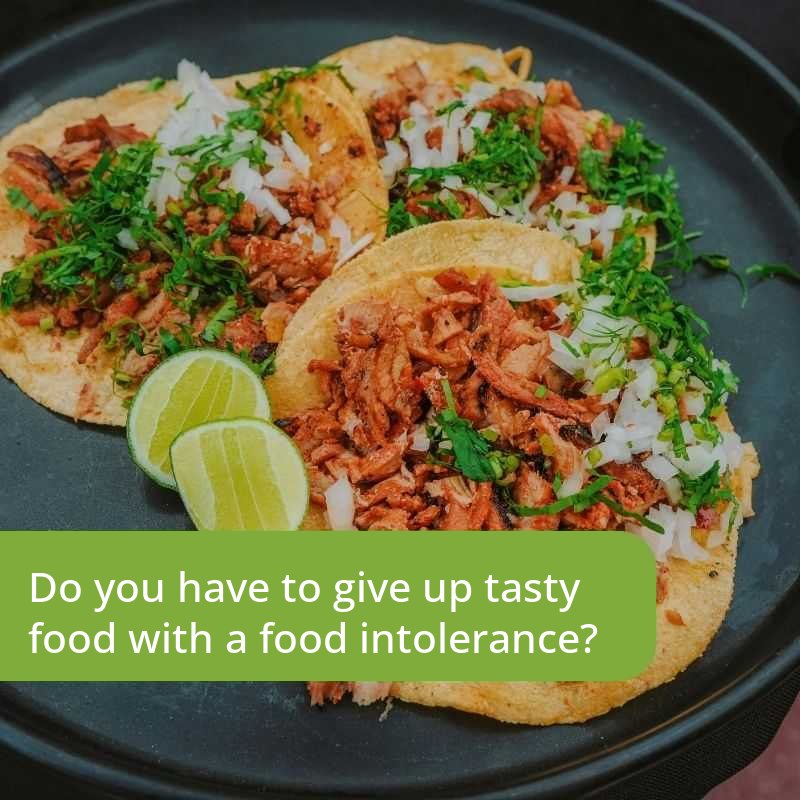
Do you have to give up tasty food with a food intolerance?
Free-from or diet cooking does not mean going without: with the right ingredients and tricks, you can make tasty, varied dishes at home too.
Free download (PDF)
Elimination starter kit
Leaving foods out and bringing them back, step by step, without your plate going empty.