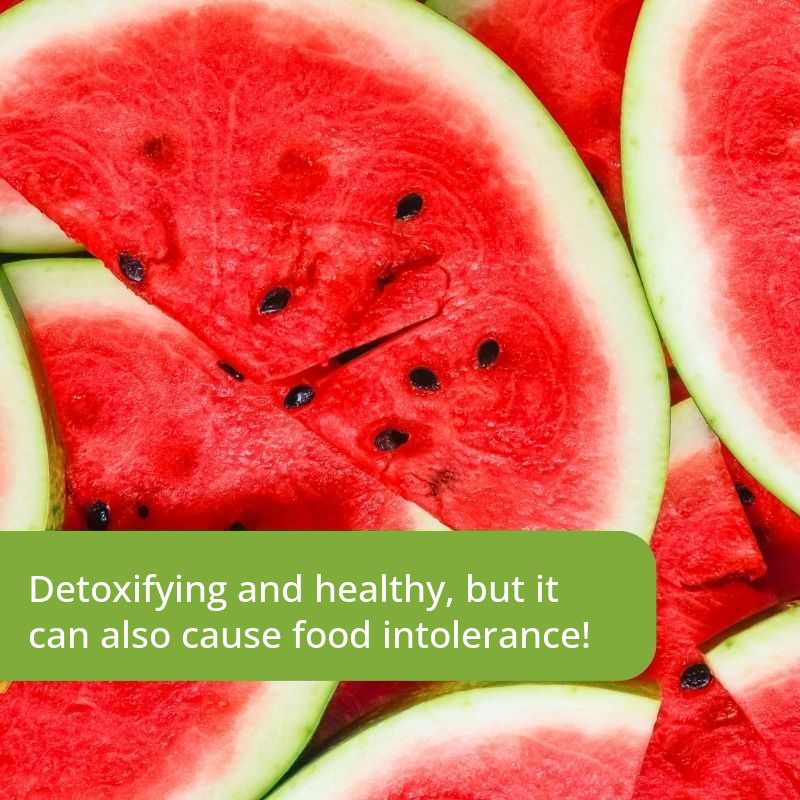
Watermelon is an essential fruit of the summer months – at least, we know it as a fruit. Taxonomically it is actually a vegetable, belonging to the gourd family. Its most special component is lycopene, which is an antioxidant; research is also looking at its possible role in preventing cancer. Research is also looking at whether lycopene can protect the skin from the harmful effects of UV radiation.
This honey-sweet treat is also special because more than 90% of its flesh is water, yet it has countless useful nutrients. It is rich in vitamins A, B and C, calcium, magnesium, phosphorus, zinc, iron and potassium.
Its high water content makes it refreshing, and people on a diet can eat it freely, since it contains hardly any calories while keeping you full for a good while. Research is also looking at its cardiovascular effects. Because of its diuretic effect, it was formerly also regarded as a medicinal plant.
According to some researchers it originates from the Kalahari Desert, where a great many watermelons can be found growing wild, not cultivated. It is not known where it was first deliberately cultivated, but Egyptian hieroglyphs tell of the earliest watermelon harvest, around 5,000 years ago. It was already cultivated in China in the 10th century, and that Asian country is still the largest producer today.
There are very many varieties of watermelon, but basically they all have the same effects. Its only drawback is that it can be stored for only a short time, e.g. in a cellar at 10–12 °C; it will not keep through the winter.
Watermelon can – although very rarely – cause food intolerance. Food sensitivity can often be managed well, however, so you may not have to give up your favourite treats for ever!
How to manage food intolerance

Don't just get the school bag ready
Starting school is not only about new exercise books and a changed daily routine but also about reorganising family meals. The FOODTEST Children's pac...
IBS and food intolerance: can diet help?
Several factors may lie behind irritable bowel syndrome, and the role of diet may also come up. The article explains in plain terms how certain foods...
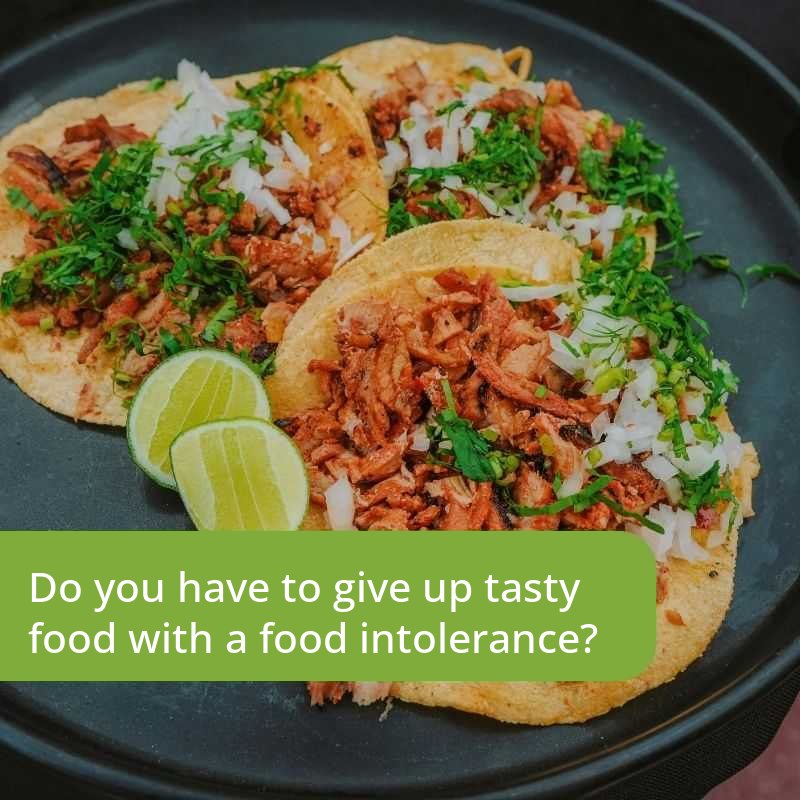
Do you have to give up tasty food with a food intolerance?
Free-from or diet cooking does not mean going without: with the right ingredients and tricks, you can make tasty, varied dishes at home too.
FOODTEST newsletter
Food intolerance tips and recipes by email
Practical diet tips and recipes, straight to your inbox.